

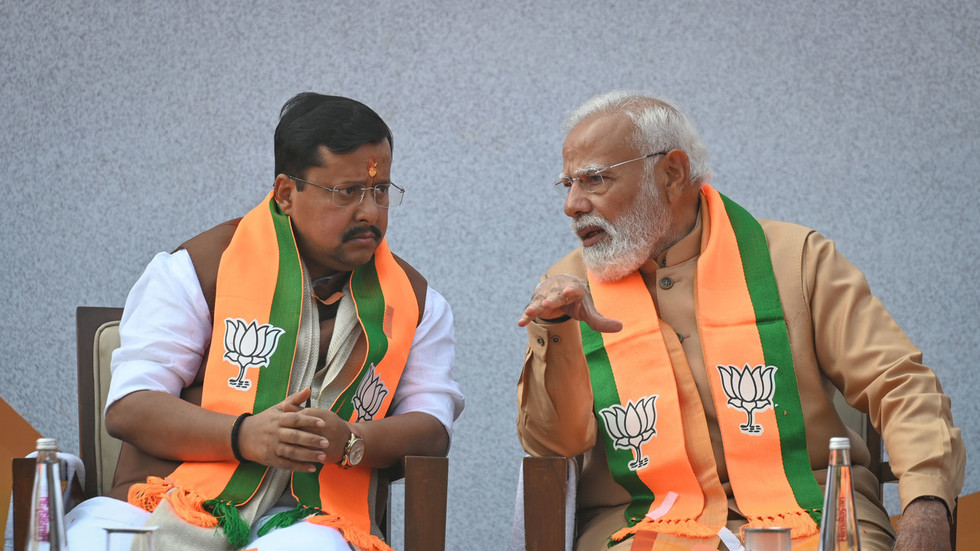
Kathmandu— India’s ruling Bharatiya Janata Party (BJP) underwent a significant organizational shakeup on Monday, replacing key leaders in its hierarchy. The changes, enacted by BJP National President Nitin Nabin, are officially attributed to the appointment of a new team; however, analysts point to growing concerns about the party's ability to connect with India’s large youth population and address rising public dissatisfaction as driving factors behind the move. The reshuffle saw replacements in crucial positions including general secretaries, the head of the IT and Social Media Cell, and the president of the youth wing, signaling a potential shift in strategy for the world’s largest democracy.
Key Positions Replaced
Nitin Nabin replaced four of the party’s general secretaries and filled two existing vacancies with new faces. These positions rank directly below the BJP president and hold significant decision-making power within the organization. Notably, Amit Malviya, head of the powerful IT and Social Media Cell since 2015, was also ousted, as was Tejasvi Surya, president of the youth wing. Other departures included the party’s treasurer, the chiefs of the women’s and OBC (Other Backward Classes) wings, as well as leaders of the farmers’, scheduled tribes, scheduled castes, and minority wings.
Protests Highlight Youth Disconnect
The exits of Malviya and Surya are largely attributed to recent student protests sparked by leaks in a national medical entrance exam. The government’s initial response – employing brutal police tactics – further inflamed public anger, ultimately leading to the sacking of Education Minister Dharmendra Pradhan. The BJP’s IT cell struggled to counter negative narratives online, with Malviya finding his usual strategies ineffective and facing fierce criticism. Surya, despite previous successes in organizing health responses during the Covid-19 pandemic, also failed to rally youth support as protests intensified.
Shifting Strategies for a Younger Demographic
Prime Minister Narendra Modi acknowledged the disconnect with younger voters, opting to share a message on Instagram – rather than his preferred platform X – advising ministers to engage with youth on Meta’s social media networks. This realization appears to have solidified the decision to replace key leaders and bring in fresh faces capable of connecting with Gen Z and Gen Alpha Indians. The party hopes to regain trust by meeting young people where they are, utilizing their preferred online spaces and communication styles.
Experienced Hands Added to Stabilize
Alongside new appointments, the BJP also brought in experienced figures to stabilize the organization amidst ongoing public discontent. Deepak Mhaske replaced Malviya as head of the IT and Social Media Cell, bringing 15 years of experience with the party’s digital campaigns. Hemang Joshi, a lawmaker from Gujarat, succeeded Surya as youth wing president. Smriti Irani, a trusted member of Modi’s inner circle known for her political skills and prior television career, was appointed as a general secretary, while Piyush Goyal, the federal trade minister, took on the role of party treasurer.
The success of this reshuffle will be tested in upcoming elections next year, including those in several key states such as Modi’s home state of Gujarat. The BJP hopes these changes will help it regain lost ground with younger voters and address broader public concerns.
(With inputs from RT)
Originally published on abcnews.com.np.



प्रतिक्रिया दिनुहोस्