

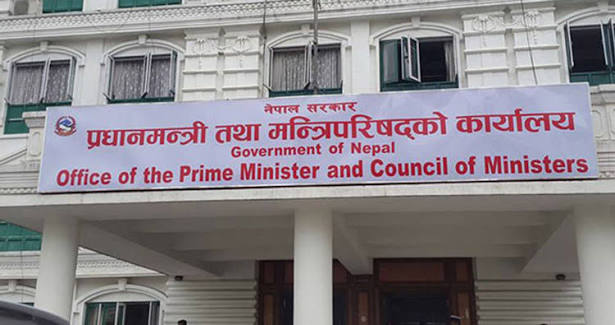
Kathmandu— The Office of the Prime Minister and Council of Ministers (OPMCM) in Nepal has issued a directive urging all government entities – including federal ministries, provincial governments, local levels, and diplomatic missions – to prioritize the use of domestically produced goods and services. The move, initiated by Prime Minister Balendra Shah, aims to strengthen the national economy by reducing reliance on imports, supporting local businesses, fostering entrepreneurship, and creating employment opportunities within Nepal, all while adhering to existing public procurement laws.
Economic Goals Drive Initiative
The government’s initiative is centered around increasing the contribution of domestic production to the national economy. Officials hope that by prioritizing Nepali products in government procurement, they can reduce the country's growing dependence on imports and stimulate local industries. The OPMCM statement emphasized a commitment to protecting indigenous skills and entrepreneurial ventures through this policy shift.
The directive extends beyond basic supplies, encompassing a wide range of goods including stationery, printing materials, furniture, construction materials, machinery, agricultural products, and food and beverages.
Implementation and Monitoring
Heads of government bodies are now responsible for regularly monitoring the purchase of domestic goods to ensure effective implementation of the new directive. To further enforce compliance, ministries have been tasked with conducting quarterly inspections of government entities to verify the use of Nepali products.
Hemraj Aryal, spokesperson at the OPMCM, explained that the initiative will be carried out “strictly enforcing existing legal regulations.”
Focus on Handicrafts and Decorative Items
The directive specifically encourages the increased use of domestically produced handicrafts for government functions. Public bodies are now requested to utilize Nepali handicraft items in meetings, ceremonies, as gifts, and for decorative purposes within their offices. This aspect of the initiative aims to directly support artisans and preserve traditional skills.
The OPMCM expects this policy to contribute significantly to Nepal’s economic growth by fostering a stronger domestic market and reducing reliance on foreign imports.
(With inputs from RN)
Originally published on abcnews.com.np.





प्रतिक्रिया दिनुहोस्