

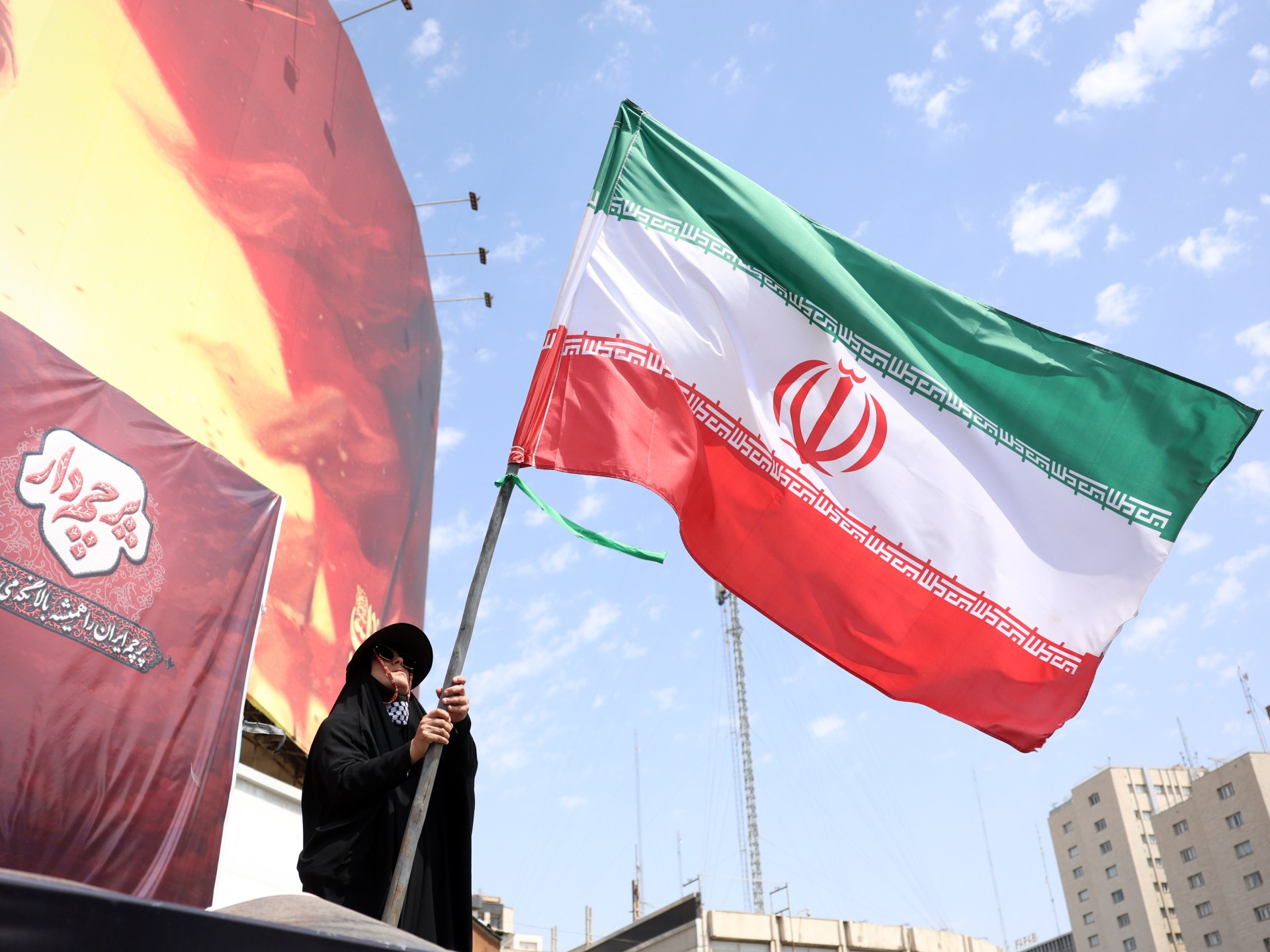
Kathmandu— Following nearly 40 days of intense bombing and subsequent skirmishes with the United States and Israel, Iran is asserting that it has not only maintained but significantly expanded its domestic weapons production. Iranian officials claim a “deterrent defensive industrial revolution” is underway, with production of strategic products tripling since fighting began on February 28th. This comes as the US imposes what it calls “the most crushing economic operation” against Tehran, and despite White House claims that Iran’s defense-industrial base was largely destroyed during the conflict.
Claims of Increased Production
Ali Abdollahi, chief of staff of Iran’s armed forces, highlighted a surge in domestic weaponry production, while Ministry of Defence spokesman Reza Talaei-Nik stated that weapons and defensive equipment output doubled in the year following a 12-day war with Israel and the US in June 2025. Since the start of the current conflict, he claims manufacturing of some “strategic and prioritised products” has more than tripled. Talaei-Nik also noted the involvement of over 9,300 companies in Iran’s weapons production network, suggesting resilience against potential strikes.
Military Performance Assessments
Acting Defence Minister Majid Ebn-e Reza asserted that Iranian armed forces demonstrated improved performance compared to last year's conflict with Israel and the US, achieving deeper penetration of enemy bases, greater strike accuracy, and more successful air defence interceptions. IRGC spokesman Hossein Mohebbi indicated plans to deploy new generations of warheads for ballistic and cruise missiles, emphasizing continued production and development. However, Iranian air defenses largely failed to prevent breaches of its airspace during bombing runs.
US Assessment vs. Reality
The White House initially claimed that 85 percent of Iran’s defense-industrial base had been destroyed, including the majority of its ballistic missiles, mobile launchers and long-range drones, along with significant naval losses. However, a confidential US intelligence assessment in May revealed that Iran retained approximately 75 percent of its mobile launchers and 70 percent of its pre-war missile inventory. Even after further bombardment in July, Iranian forces continued to launch attacks from the Strait of Hormuz.
Adaptation and Tactics
Experts suggest Iran has maintained production through geographically dispersed underground bases, shielding them from US bombs despite damage to overground facilities. The use of cheaper explosive drones has proven effective in consuming US interceptors, revealing radar positions, and disrupting operations in the Strait of Hormuz. The downing of at least 45 MQ-9 Reaper drones – representing a quarter of the US fleet and costing over $1.3 billion – highlights the impact of Iranian air defenses.
Strait of Hormuz Disruptions
Despite increased discrete oil and energy transfers, flows through the Strait of Hormuz remain considerably lower than pre-war levels due to ongoing missile, drone, and fast boat attacks. Similar disruptions are occurring in the Red Sea and Bab al-Mandeb strait, where Iran-aligned Houthis in Yemen continue to clash with Saudi Arabian interests.
Currently, there is no meaningful dialogue between Iran and the US, leaving a diplomatic resolution out of reach and suggesting continued tensions.
(With inputs from Al Jazeera)
Originally published on abcnews.com.np.




प्रतिक्रिया दिनुहोस्