

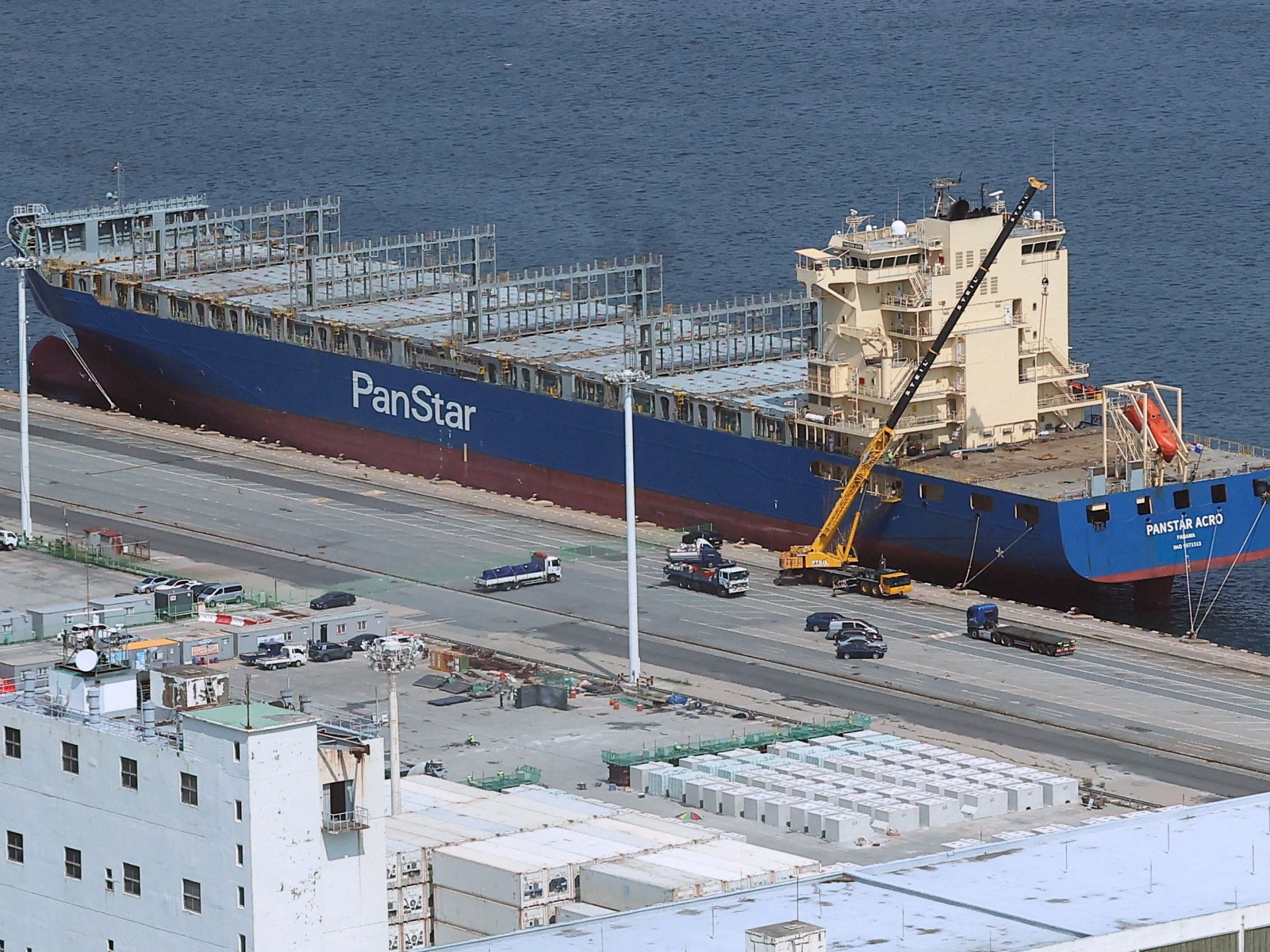
Kathmandu— A South Korean container ship, the PanStar Acro, departed from Busan New Port on Saturday to Europe via the Arctic, marking the nation’s first commercial voyage along the Northern Sea Route and an attempt to assess its potential as a viable alternative to traditional shipping lanes disrupted by conflict in the Middle East.
Arctic Route Gains Traction
The journey is being undertaken as global shipping firms seek alternatives to routes affected by instability, with the Arctic route increasingly viewed as feasible due to both technological advancements and environmental changes. South Korea’s Vice Oceans Minister Nam Jae-hon stated that the Arctic route was “bound to become an alternative” to Middle Eastern shipping lanes. The PanStar Acro will follow a path hugging eastern Russia’s Kamchatka Peninsula, crossing the Bering Sea, and stopping in Felixstowe (UK), Rotterdam (Netherlands), and Gdansk (Poland) before returning.
Economic Benefits and Government Support
The 2,758 TEU container ship is carrying 837 TEU of cargo, including car parts and chemical products, on the government-backed voyage. President Lee Jae Myung has prioritized Arctic shipping for South Korea, aiming to establish Busan as a global maritime hub and normalize Arctic trade by 2030. The route could potentially cut journey times between Asia and Europe by approximately 10 days and reduce distances by around 7,000 kilometers (4,300 miles), according to the Korea Institute for International Economic Policy.
Environmental Concerns and Geopolitical Considerations
The initiative has drawn criticism from environmental groups who warn that increased shipping through the Arctic could accelerate polar ice melt and exacerbate global warming. The Paran Ocean Citizen Science Center noted last year that commercial viability would require further warming, creating a conflict with climate change mitigation efforts. Furthermore, Seoul consulted with Moscow regarding the voyage, including potential assistance in navigating icy conditions, raising concerns about increasing friction with Western allies seeking to isolate Russia amid its war with Ukraine.
The PanStar Acro’s journey is expected to take 40 to 45 days, and data collected from the voyage will be used to further evaluate the commercial and environmental feasibility of regular Arctic shipping.
(With inputs from Al Jazeera)
Originally published on abcnews.com.np.






प्रतिक्रिया दिनुहोस्