

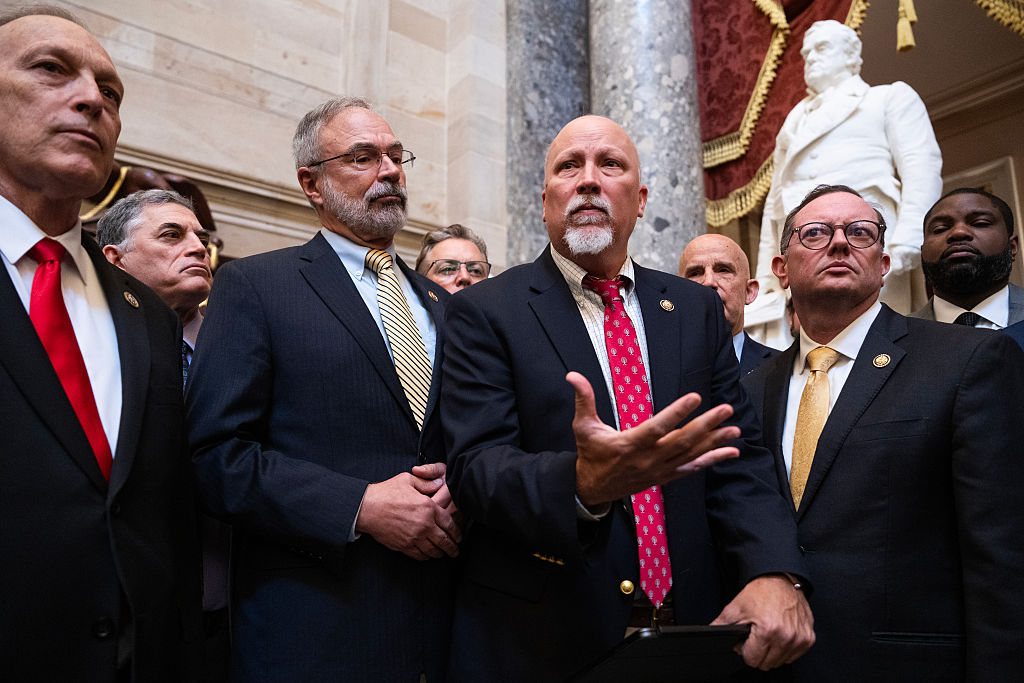
Kathmandu— The temptation for socialist members of Congress to emulate the uncompromising tactics of the House Freedom Caucus (HFC) is understandable, but ultimately misguided. Founded in 2015 as a more hardline alternative to existing conservative groups, the HFC initially sought to exert influence through obstruction and demands for ideological purity. However, its history reveals that such strategies often yield limited results, alienate potential allies, and can even push policy outcomes in the opposite direction of the group’s goals—a cautionary tale for socialists seeking to navigate their role within a larger political party.
The Rise of Conservative Hardliners
Prior to the HFC's formation, conservative lawmakers had attempted similar strategies with limited success. The Tea Party Caucus, established in 2010, quickly lost influence and dissolved by 2012 due to a lack of discipline and coordination. Mick Mulvaney, along with Jim Jordan and Raul Labrador, sought to create a more tightly controlled organization—the HFC—that would be selective about its membership and enforce strict voting rules, such as requiring 80 percent support for any action.
Early Conflicts and Boehner's Departure
The HFC quickly became a thorn in the side of Speaker John Boehner, repeatedly challenging his leadership and opposing key legislation. This led to retaliatory measures from Boehner, including removing HFC members from committee assignments and cutting off funding. The conflict culminated in July 2015 when Mark Meadows filed a motion to vacate the chair—a vote on Boehner’s speakership—forcing his unexpected retirement. Paul Ryan succeeded him as Speaker.
Trump Era Shifts and Limited Gains
Under President Donald Trump, the HFC's approach shifted. While still advocating for conservative priorities, it often compromised with the administration, achieving limited success. During debates over tax cuts and Obamacare repeal, the caucus frequently clashed with both Republican leadership and the White House, ultimately failing to secure its preferred outcomes. The group’s attempts to force concessions often resulted in policy compromises that were further from their goals than if they had simply supported the initial proposals. When Democrats regained control of the House in 2018, the HFC's influence waned significantly.
Recent Decline and Institutional Weakening
Following the 2022 midterm elections, the HFC briefly flexed its muscle by orchestrating a chaotic speakership battle that ultimately led to Kevin McCarthy’s removal. However, this victory proved pyrrhic. The caucus struggled to shape policy during the remainder of Biden's presidency and has since experienced significant internal divisions and declining membership. As of early 2025, it no longer functions as a cohesive voting bloc, and its leadership is departing Congress. In statehouses where local HFC franchises existed, they too are losing ground.
Lessons for Socialist Legislators
The experience of the HFC offers several lessons for socialists in Congress. Legislative hardball tactics are most effective when the socialist caucus is a minority within a majority party and facing an opposing-party president. However, obstructionism can easily backfire, leading to compromises that move policy away from desired outcomes. Building organizational coherence and avoiding isolation within the broader Democratic Party are crucial for achieving meaningful progress.
The HFC’s trajectory demonstrates that while disruptive tactics may offer short-term gains, they often come at a high cost—a lesson socialists should heed as they seek to advance their agenda within the existing political system.
(With inputs from Jacobin)
Originally published on abcnews.com.np.




प्रतिक्रिया दिनुहोस्