

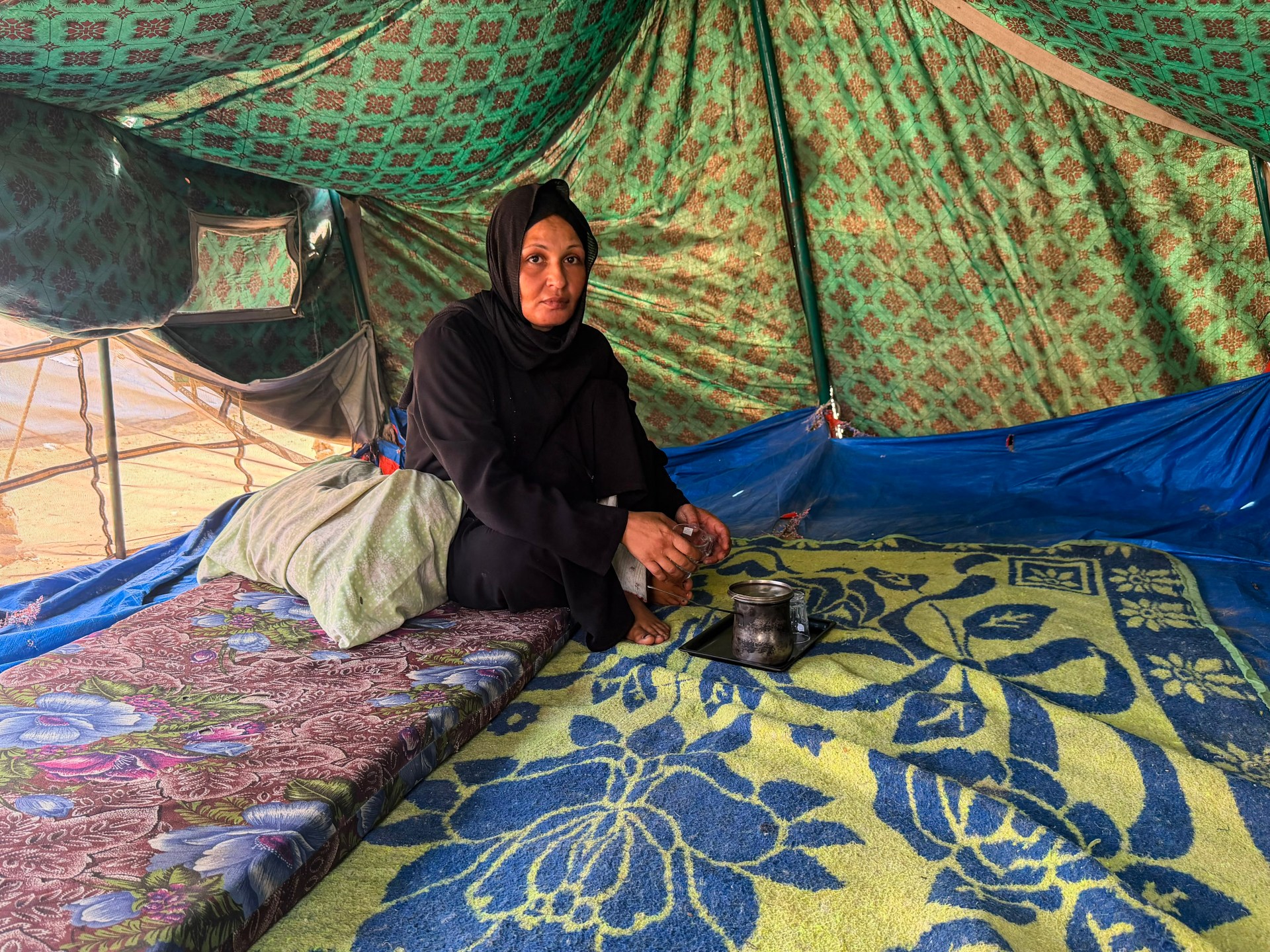
Kathmandu— Israel's war on Gaza, which began in October 2023, has displaced over nine in ten Palestinians, creating a severe humanitarian crisis that extends beyond shelter and food to encompass basic sanitation needs. Displaced families are now relying on rudimentary communal toilets – described by residents as reminiscent of the “Stone Age” – lacking privacy and posing health risks. The situation is exacerbated by soaring prices for sanitation supplies due to the ongoing Israeli blockade, leaving many resorting to makeshift solutions or facing unsanitary conditions.
Dignity Denied in Displacement Camps
Eman Mahmoud Shamia, a displaced mother of five living in a tent camp near Deir Al-Balah, described her family’s struggle to access even basic toilet facilities. “I am deprived of my basic right to have a proper toilet seat in my tent,” she told Al Jazeera. “This is exhausting for me as a woman and a mother…and my husband is sick and unable to use the makeshift toilet.” The communal toilets, built with the help of local workers, offer minimal privacy, particularly for women and children, and are difficult for those with health conditions to access.
Soaring Costs and Makeshift Solutions
The ongoing Israeli siege has dramatically increased the price of sanitation supplies. A used toilet seat now costs between 1,500 ($503) and 2,000 shekels ($671), putting them out of reach for many Palestinians. Mohammad Al-Hanouti, a resident of Al-Bureij refugee camp, explained he is prioritizing purchasing a toilet seat despite lacking funds for other essential home improvements. “I will live without tiles, without a kitchen… I have been saving to buy a toilet seat because it is the most important thing,” he said, adding that many others in the camps are facing similar struggles.
Supply Shock and Demand Imbalance
Economist Omar Salouha attributes the crisis to a “severe supply shock” caused by restrictions on importing toilets, sanitation supplies, and plumbing materials. With widespread destruction of homes – over 90 percent damaged or destroyed – demand has surged while supply remains limited. This imbalance has led to scarcity and inflated prices, with toilet seats becoming a “monopoly commodity.” As a result, communal toilets are often used by as many as 20 to 25 people, frequently lacking separate facilities for men and women.
Health Risks and Urgent Appeals
The lack of adequate sanitation is contributing to the spread of disease. Dr Ahmed Al-Jedi, an emergency department physician at Al-Aqsa Martyrs Hospital in Deir al-Balah, reports a rise in cases of diarrhea, skin diseases, and gastrointestinal problems among children, women, and older people. The United Nations Office for the Coordination of Humanitarian Affairs (OCHA) found that only half of those surveyed in Gaza have access to basic sanitation, with 60 percent exposed to wastewater near their living areas. Hossam Al-Huwaity, spokesperson for the Chamber of Commerce, is urging international organizations – including UNICEF and the World Food Programme – to import and distribute essential sanitation supplies, but notes that Israeli restrictions at crossings remain a major obstacle.
The Chamber of Commerce continues to submit formal import requests while appealing to international aid organizations for assistance, though progress remains hampered by ongoing blockade restrictions.
(With inputs from Al Jazeera)
Originally published on abcnews.com.np.




प्रतिक्रिया दिनुहोस्