

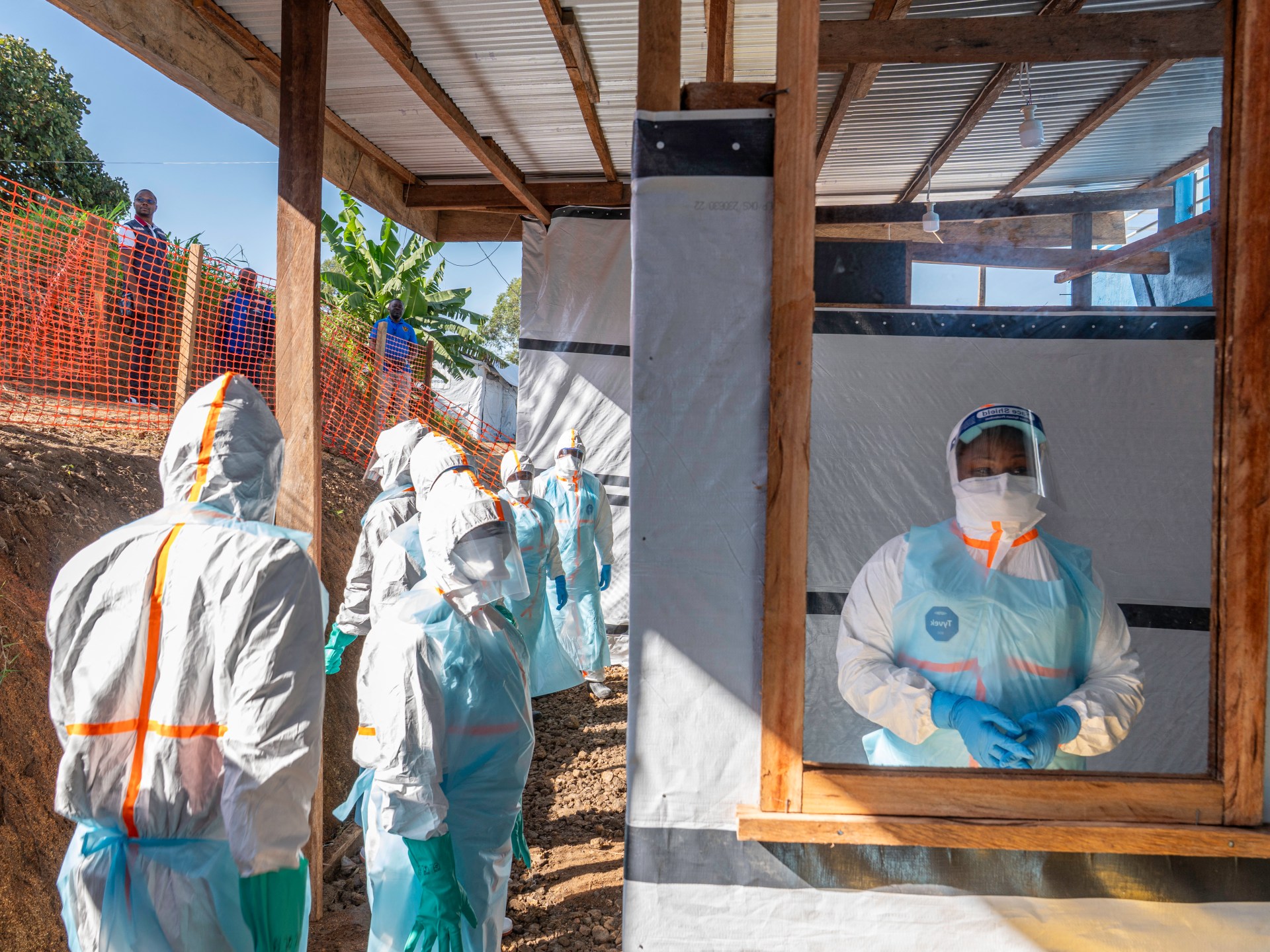
Kathmandu— The Democratic Republic of the Congo is currently battling its 17th Ebola outbreak, declared 100 days ago and now recognized as a Public Health Emergency of International Concern by both the World Health Organization (WHO) and Africa CDC. With over 5,290 confirmed cases and 2,516 deaths across 56 health zones, this epidemic is exceeding previous outbreaks in scale and speed, fueled by ongoing insecurity and conflict that have destabilized the region. The response hinges on reaching affected communities, protecting frontline workers, and translating international commitments into tangible action, with a focus on empowering local organizations and leaders.
Community Involvement Drives Effective Response
Throughout our visits to Bunia, we’ve consistently heard from community representatives – survivors, women, youth, local organizations, health workers, and leaders – that their involvement is paramount. They emphasize their deep understanding of their communities: where people seek care, how information spreads, and why trust is eroding. Giving them the resources to participate in the response is not just a matter of principle, but also practicality; Ebola transmission slows when communities actively lead alongside national authorities and health workers.
Communities possess crucial knowledge for stopping the spread of Ebola, including early illness detection, alerting health teams, identifying contacts, debunking rumors, and supporting families with treatment and safe burials. Experiences in Uganda and certain regions within DRC demonstrate that rapid detection, strong national leadership, and community collaboration are vital to interrupting transmission.
Frontline Workers Face Immense Pressure
At the heart of the response are dedicated health workers, laboratory teams, contact tracers, community health workers, and burial teams working tirelessly under extraordinary conditions. Many operate in insecure and remote areas, facing significant personal risk; as of August 20th, 158 health workers had been infected with Ebola, and tragically, 45 have died.
The safety and well-being of these frontline personnel are central to controlling the outbreak. They require consistent access to protective equipment, training, adequate medical supplies, timely payment, psychosocial support, and rapid diagnosis and high-quality care should they become ill. Their service demands immediate action to ensure their protection.
Scaling Up Response Efforts is Critical
While progress has been made – with expanded surveillance, deployed laboratories, supported treatment centers, and reinforced infection prevention – the emergency continues in Ituri province and five other provinces. To truly turn the corner, response capacities must be scaled up by two to three times their current levels across all areas of intervention.
Health facilities require urgent protection from infection, with trained staff, protective equipment, clean water, sanitation, and functioning infection prevention systems. Predictable funding is needed for surveillance, laboratories, treatment, logistics, community engagement, and timely payment of frontline workers. Local organizations also need direct support to maintain consistent work within communities, and supplies must be delivered before they run out.
Coordination and Funding Remain Key Challenges
Delayed financing jeopardizes lives, while fragmented funding creates gaps that Ebola exploits. WHO and Africa CDC have established strong integration among health and relief organizations working with the government, and donors should support and enhance this collaboration rather than creating siloed efforts.
Cross-border coordination is also essential, as people move between countries for trade, work, study, and family visits. Borders should facilitate coordinated public health action through surveillance, information sharing, and prepared health services along travel routes, avoiding disruptive measures like blanket travel restrictions.
WHO and Africa CDC will continue to collaborate with the DRC, neighboring countries, communities, and partners to prioritize case finding, contact tracing, breaking transmission chains, protecting frontline workers, and ensuring no community is left behind. Sustained national leadership, continental solidarity, and international support are crucial for success.
(With inputs from Al Jazeera)
Originally published on abcnews.com.np.




प्रतिक्रिया दिनुहोस्