

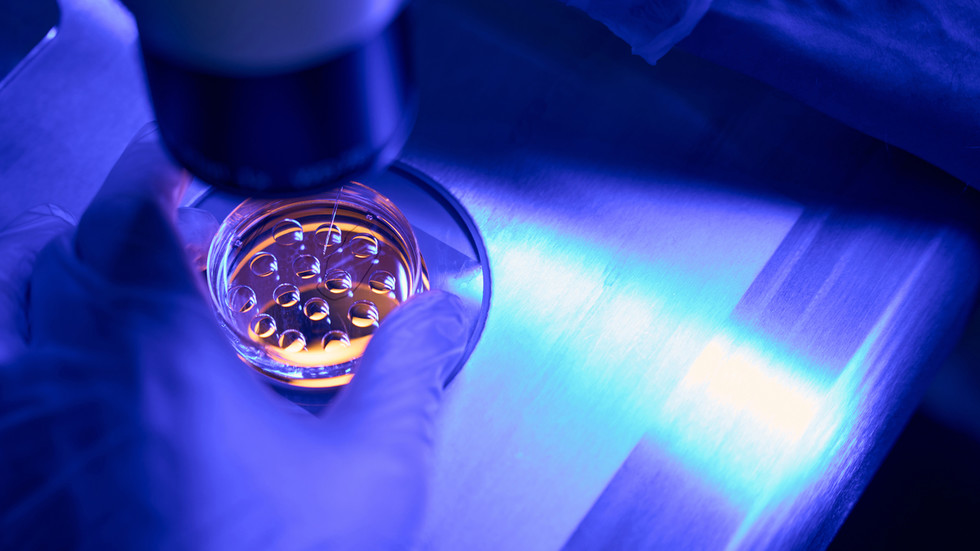
Kathmandu— Singapore has unveiled the world’s first independently operated data center powered by living human brain cells, marking a significant step towards biologically integrated computation. Developed through a partnership between NUS Medicine, DayOne, and Cortical Labs, the prototype system consumes significantly less power than conventional hardware and is designed to complement artificial intelligence in areas where data is limited or conditions are dynamic. The facility, housed at the National University of Singapore, currently comprises 20 biological computers each containing hundreds of thousands of lab-grown neurons and requires ongoing life support to maintain cellular function.
Biological Computing Prototype
The newly launched system consists of 20 CL1 biological computers, each equipped with at least 200,000 lab-grown human neurons placed on an electrode-fitted silicon chip. These neurons, derived from reprogrammed blood cells, communicate via electrical signals with traditional hardware, effectively translating their activity into computing power. Developers describe the facility as the first independently operated biologically integrated server rack, moving the field of biological computing closer to practical application.
Energy Efficiency and Sustainability
Unlike conventional data centers that demand substantial electricity for servers and cooling, this biological system offers a potentially sustainable alternative. Each CL1 computer draws approximately 30 watts including life-support systems, compared to up to 700 watts for an Nvidia H100 SXM AI processor and over 10,200 watts for a server equipped with eight such chips. This difference in energy consumption is particularly relevant for Singapore, which previously paused construction of new data centers due to concerns about their environmental impact; data centers accounted for around 7% of the country’s electricity use in 2020.
Potential Applications and Limitations
Cortical Labs founder and CEO Hon Weng Chong believes this technology could complement AI, particularly in scenarios with limited data or fluctuating conditions. Potential applications include drug discovery, humanoid robotics, cybersecurity, and fraud detection. However, the developers emphasize that biological computing is not intended to replace silicon-based systems, which remain superior for fast, repetitive calculations like those used in large language models such as ChatGPT. Biological systems excel at learning from fewer examples and adapting to change.
The prototype data center currently requires technicians to feed the neurons a specialized mixture of nutrients every three days while maintaining a controlled atmospheric environment. Further development will focus on scaling the technology and exploring its potential across various applications.
(With inputs from RT)
Originally published on abcnews.com.np.






प्रतिक्रिया दिनुहोस्