

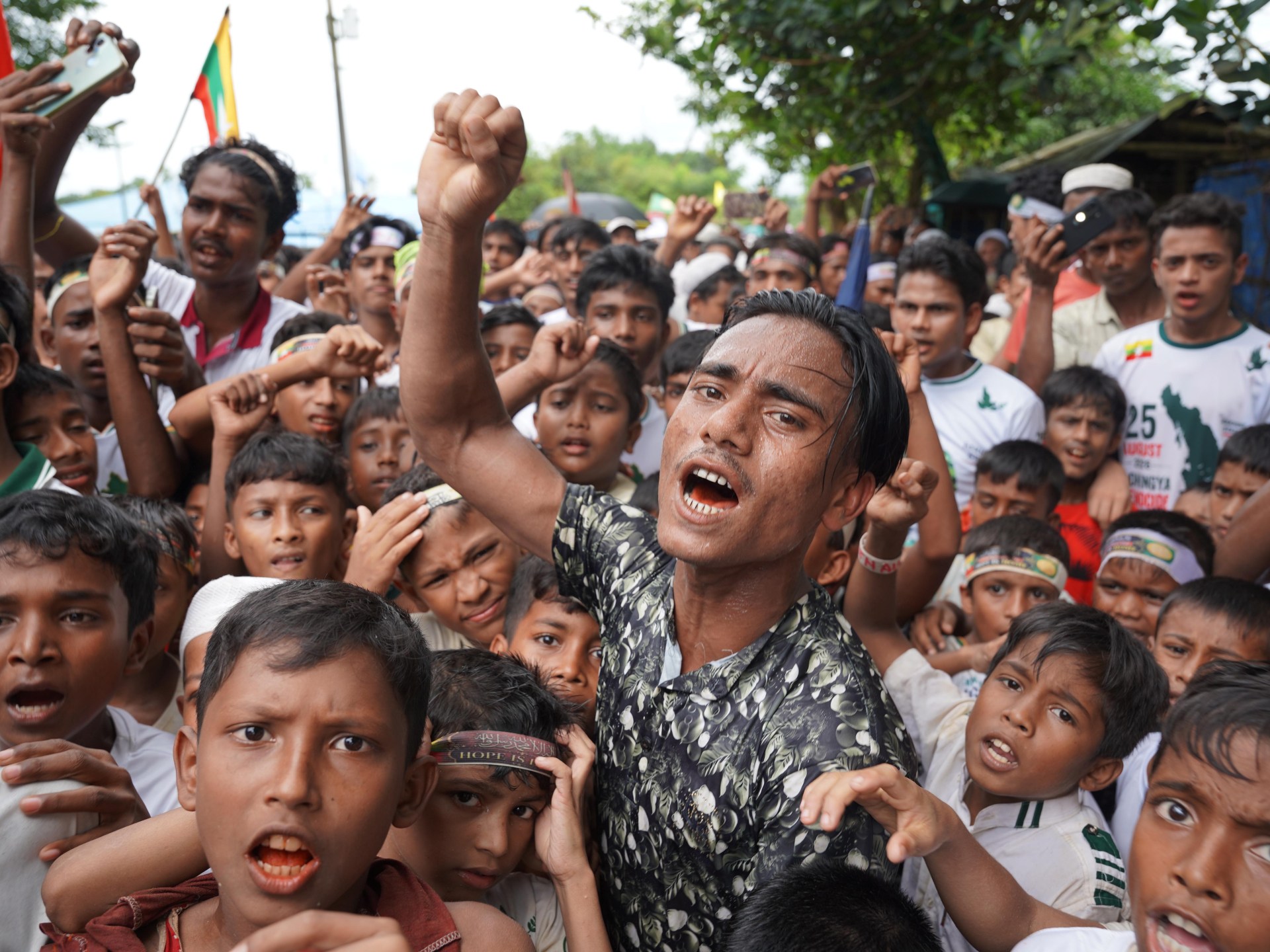
Kathmandu— The human rights situation in Myanmar has deteriorated to an unprecedented level, according to a United Nations report released Tuesday, with the military regime’s pursuit of control exacerbating suffering across the country. The report details escalating abuses against the Rohingya minority, particularly in Rakhine State, alongside a surge in civilian deaths – estimated at over 8,075 since the 2021 coup, including more than 1,000 children – and the expansion of illicit economies like illegal rare earth mining. These factors are contributing to widespread displacement, acute hunger affecting millions, and severe health consequences for vulnerable populations.
Escalating Violence Against Civilians
Since seizing power in a 2021 coup, Myanmar’s military has employed tactics including airstrikes, arson attacks, forced displacement, and denial of essential aid against civilians as it battles ethnic armed groups and militias for control of the country. The UN report estimates at least 8,075 civilians have been killed, with open sources suggesting a potentially much higher toll – up to 15,731 since the coup. This violence has led to a dramatic increase in internal displacement, now exceeding 3.6 million people.
Renewed Persecution of Rohingya
In Rakhine State, both the military and the Arakan Army continue to commit widespread abuses against the predominantly Muslim Rohingya minority. Nine years after a brutal crackdown forced approximately 700,000 Rohingya to flee to Bangladesh, renewed violence is causing further displacement within Myanmar. The report accuses the Arakan Army of arbitrary arrests, torture, sexual violence, forced labor, recruitment, and destruction of villages and religious sites. Rohingya attempting to avoid forced recruitment face severe ill-treatment, including beatings, nail removal, and application of chili peppers to genitals, according to former detainees.
Illicit Economies Fuel Conflict
The absence of the rule of law in Myanmar has fostered a booming illicit economy, particularly illegal rare earth mining in Kachin and Shan State. Satellite imagery confirms a 149 percent increase in mining sites since 2021, with 302 new locations identified in Kachin State alone. This unregulated mining is not only strengthening transnational criminal networks but also causing significant environmental contamination, leading to surges in miscarriages and other pregnancy complications due to exposure to heavy metals and chemicals.
UN Calls for Accountability
UN High Commissioner for Human Rights Volker Turk described the findings as “heartbreaking,” depicting a landscape of suffering, misery, and cruelty. He urged states, companies, and investors to critically examine their involvement with Myanmar, questioning whether their actions are fair and just for its people.
The UN report underscores the urgent need for international action to address the deteriorating human rights situation in Myanmar and hold those responsible for abuses accountable.
(With inputs from Al Jazeera)
Originally published on abcnews.com.np.

प्रतिक्रिया दिनुहोस्