

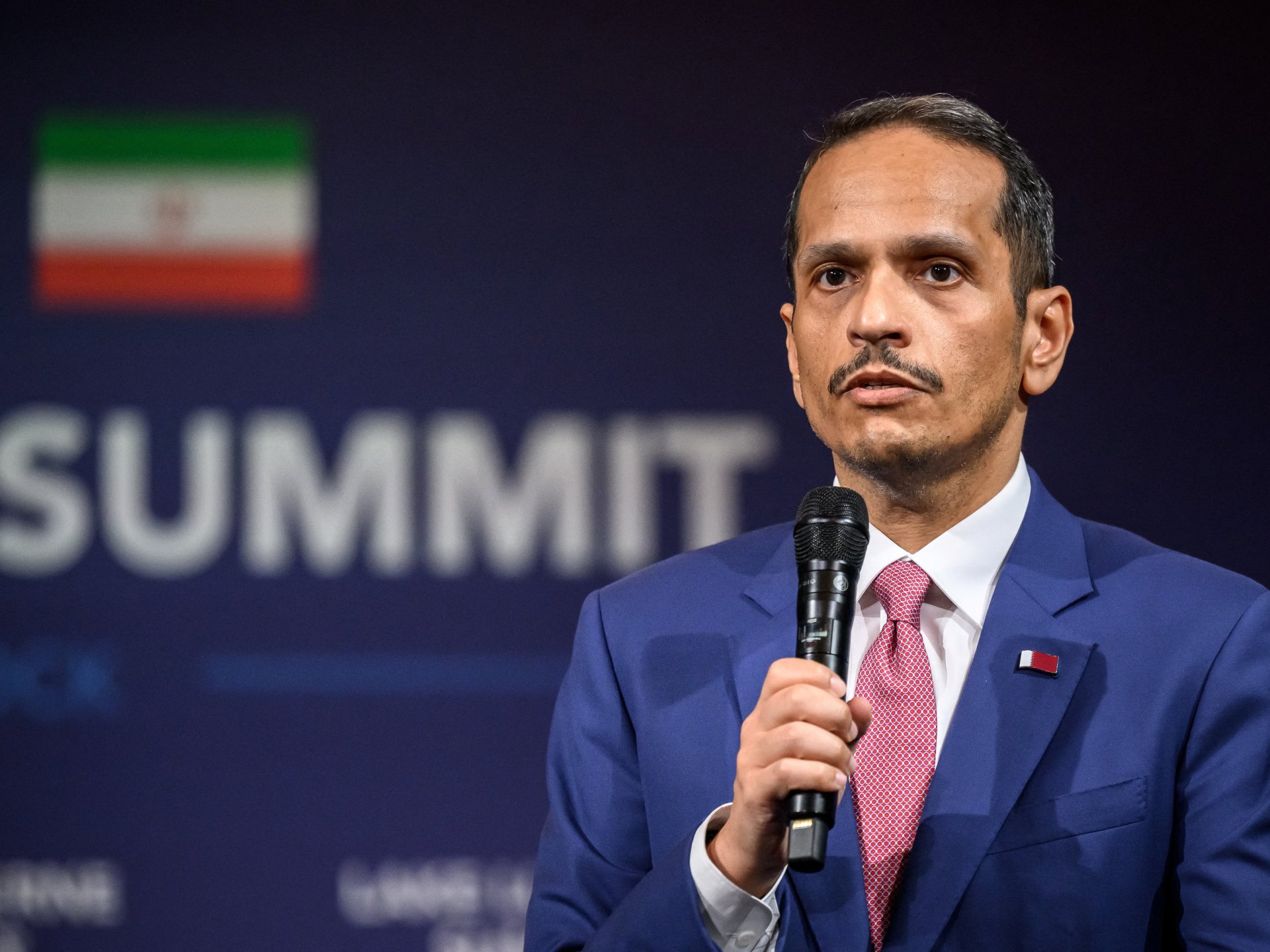
Kathmandu— Qatari Prime Minister Sheikh Mohammed bin Abdulrahman bin Jassim Al Thani is scheduled to visit Tehran on Thursday for discussions focused on reducing regional tensions and restarting negotiations between the United States and Iran, as the conflict nears its sixth month without a diplomatic resolution. The visit follows recent diplomatic efforts by Oman and Pakistan to break the stalemate, with Qatar having previously facilitated a brief pause in hostilities through a memorandum of understanding that ultimately collapsed in July. Sheikh Mohammed, who also serves as Qatar’s foreign minister, will meet Iranian officials to explore pathways toward dialogue while oil flows through the vital Strait of Hormuz remain significantly reduced.
Qatar's Mediation Role
Qatar has consistently acted as a key intermediary between Washington and Tehran, successfully brokering a memorandum of understanding in June that temporarily de-escalated tensions. However, this agreement fell apart just one month later, leaving the current situation fraught with uncertainty. Majed al-Ansari, a spokesman for Qatar’s Ministry of Foreign Affairs, emphasized the country's commitment to diplomacy, stating that “the diplomatic path is the best means of resolving differences & promoting security & stability in the region.” Iran confirmed the visit, noting discussions will include Qatar’s ongoing mediation efforts and broader regional developments.
Strait of Hormuz Dispute
A major point of contention remains control over the Strait of Hormuz, a critical waterway for global oil shipments. Prior to the conflict that began in February, roughly 20 million barrels per day of crude oil transited the strait; current flows have fallen to just 5 million barrels per day. Iran seeks control of the strait, while the US insists it remain an international waterway accessible to all nations. Qatar’s Foreign Ministry indicated Sheikh Mohammed will address this issue in Tehran, advocating for a return to conditions prior to February 28th.
Escalating Tensions and Economic Pressure
The United States has signaled its intention to increase economic pressure on Iran through further sanctions targeting its trade partners. President Donald Trump stated he is “in no hurry” to resume talks, believing both economic and military actions against Tehran are effective strategies. In response, Iranian Foreign Minister Abbas Araghchi condemned the new sanctions as an “act of state and economic terrorism,” urging UN member states not to comply with them. He argued that these measures deliberately harm civilians by restricting access to essential goods like food and medicine.
Regional diplomatic efforts are intensifying as multiple countries seek to prevent further escalation of the conflict, recognizing the potentially devastating consequences for both the region and the global economy.
(With inputs from Al Jazeera)
Originally published on abcnews.com.np.





प्रतिक्रिया दिनुहोस्