

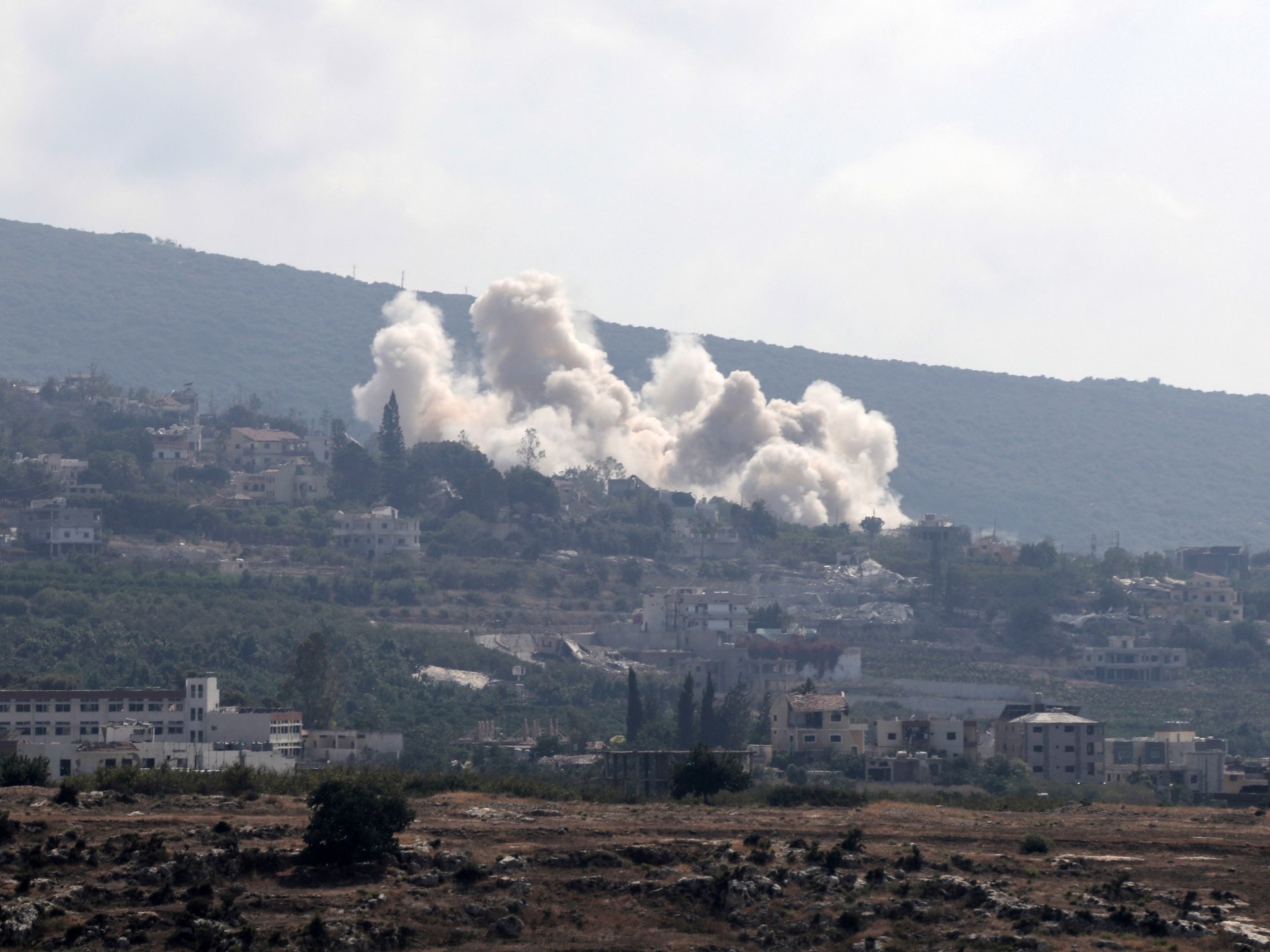
Kathmandu— Israeli military actions, including artillery strikes, air raids, and ground incursions, are continuing in Syria and Lebanon despite diplomatic efforts led by the United States to de-escalate tensions. Recent activity includes shelling near the Syrian town of Beit Jinn and airstrikes across southern Lebanon, raising questions about the effectiveness of US pressure on Israel to halt these operations. These strikes follow talks between Syrian officials and Israeli intelligence, facilitated by the US, aimed at ending continued Israeli actions within Syria, as well as a previously brokered framework agreement intended to end hostilities with Lebanon.
Escalation in Syria
Israeli forces shelled a hilltop near Beit Jinn in the Damascus countryside on Wednesday, according to witnesses, and raided a house in the Quneitra countryside. These attacks follow repeated strikes on the town in recent months, including a drone strike on Saturday and a ground raid last year that killed at least 13 people, including children. The latest actions occurred shortly after Syrian Foreign Minister Asaad al-Shaibani met with Israeli intelligence officials in Jordan for US-mediated talks intended to address Israel’s ongoing “attacks, arrests and targeting operations” inside Syria.
Lebanese Territories Under Fire
In Lebanon, Israeli forces launched air attacks on the towns of al-Mansouri and Sarbine late Wednesday and earlier in the day respectively, as reported by Lebanon’s National News Agency (NNA). Artillery fire also impacted Wadi Zibqin, while strikes hit Beit Lif and Yater. Additionally, Israeli forces have been demolishing property across southern Lebanon, including in Hula, with explosions heard in several other towns. Israeli drones were observed flying over Beirut, particularly its southern suburbs.
Framework Agreement Under Strain
The continued attacks are occurring despite a US-brokered framework agreement intended to end hostilities following an escalation in March, triggered by Israel’s response to renewed attacks by Hezbollah. Lebanon's Ministry of Health reports that the Israeli campaign has killed 4,350 people and wounded 12,310 since March 2nd. The agreement envisioned a phased Israeli withdrawal contingent on the deployment of the Lebanese army and disarmament of armed groups, notably Hezbollah. President Joseph Aoun defended the negotiating track, stating it remains the best option to spare Lebanon “the horrors of war,” despite delays and obstacles.
Analysts Question US Influence
Marwan Kabalan, an analyst at the Arab Center for Research and Policy Studies, suggested Israeli Prime Minister Benjamin Netanyahu is “trying to escalate in more than one place” ahead of October elections, hoping to gain votes from right-wing voters. Political analyst Khaldoun Al-Sharif noted that Lebanon has fulfilled its commitments under a 2024 ceasefire agreement stemming from Israel’s war on Gaza, but criticized the lack of consequences for over 10,000 Israeli violations since then. He asserted that Washington bears the responsibility to pressure Israel to scale back its actions.
The situation remains tense in both Syria and Lebanon as Israel continues its military operations despite ongoing diplomatic efforts, raising concerns about a potential further escalation of conflict.
(With inputs from Al Jazeera)
Originally published on abcnews.com.np.





प्रतिक्रिया दिनुहोस्