

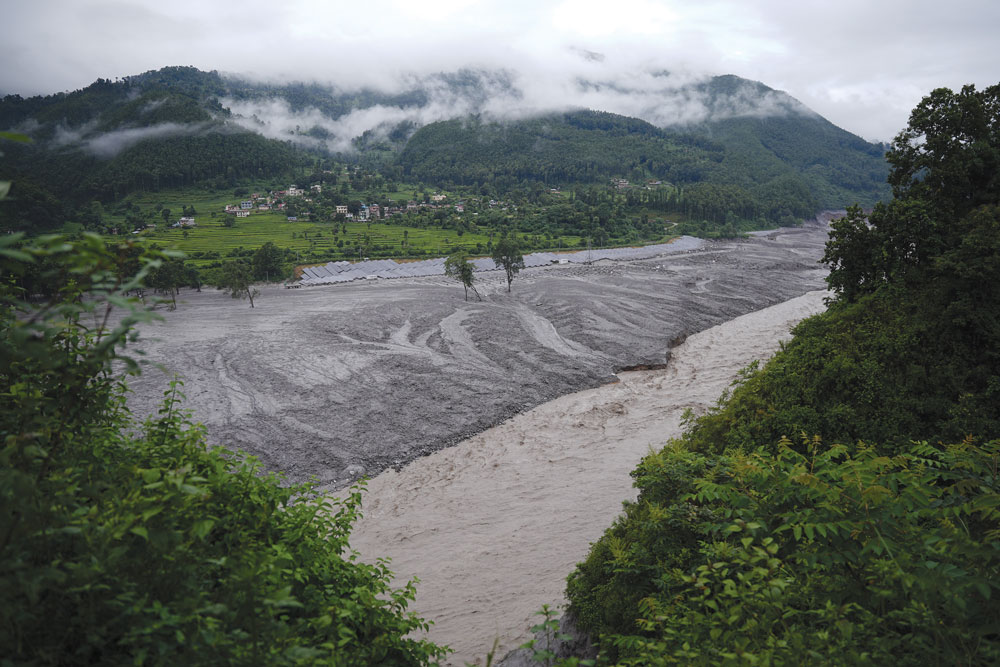
Kathmandu— On August 26, 2026, what began as an ordinary Wednesday for many Nepalis quickly turned into a desperate fight for survival along the Bhotekoshi River. Around 9:00 am local time, a flash flood of extraordinary ferocity tore through settlements in Rasuwa and downstream communities of Nuwakot and Dhading, demolishing homes, destroying infrastructure, and claiming lives. Local authorities issued urgent warnings via loudspeaker, giving residents mere minutes to evacuate before the surging waters arrived, highlighting how quickly the situation escalated. A team from Gorkhapatra Corporation documented the unfolding humanitarian crisis, witnessing firsthand the scale of devastation and the resilience of those affected.
Race Against Time
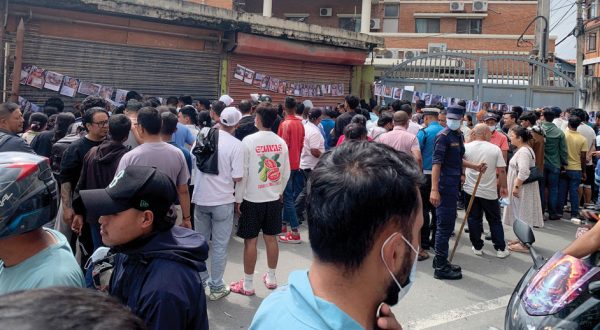
As reports of the disaster reached Kathmandu, journalists were dispatched to the affected areas to document the unfolding events. Upon reaching Nuwakot, the gravity of the situation became immediately apparent with dozens of ambulances and Nepal Red Cross vehicles mobilized for rescue efforts. Along the roads, anxious groups gathered seeking information about loved ones, often receiving only fragmented reports or rumors. The disaster quickly proved more catastrophic than initially believed, with the distance between life and death measured in minutes—or even seconds.
Devastation Unveiled
The reporting team encountered heartbreaking scenes at Bidur Municipality-1 in Nuwakot, where a settlement once bustling with hotels and businesses had been reduced to mud, rubble, and debris. Flood sediment rose up to three storeys high in some areas, completely engulfing homes and livelihoods. The destructive force of the flood extended approximately 70 to 80 meters on either side of the river channel. For families who had spent decades building their lives there, the loss represented far more than just property.
Precious Minutes Saved Lives
Assistant Sub-Inspector Rupesh Ray of the Armed Police Force described how early warnings proved crucial in saving hundreds of lives in wards 1 and 4. He recounted that security personnel were still broadcasting alerts when the two bridges connecting Trishuli and Dhunge Bazaar were swept away by the raging waters. “We could also have been swept away if we had been just a few seconds late,” Ray recalled, noting that the District Administration Office informed authorities about the flooding around 8:55 am. Those minutes allowed residents to escape with little more than the clothes on their backs, leaving behind possessions accumulated over years.
Communication Breakdown and Challenges
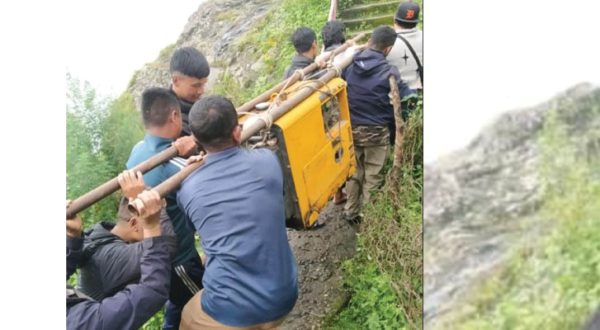
The disaster created significant challenges for reporting from the field as electricity and telecommunications services were disrupted across Rasuwa and Nuwakot. Journalists faced rapidly depleting mobile phone batteries and unstable internet connectivity, hindering their ability to transmit reports, photographs, and video footage. Despite these obstacles, they continued documenting rescue operations, interviewing survivors, and sharing emerging human stories.
Epicentre of the Tragedy
The situation in Rasuwa—the epicentre of the disaster—was even more harrowing than downstream communities. Areas around Syafrubesi, Dhunche, and Timure suffered extensive damage to homes and infrastructure, with hundreds of people feared missing. Behind each missing person was a grieving family awaiting news, and behind each recovered body, an irreparable loss. The Bhotekoshi flood will remain a vivid memory for survivors—a reminder of the morning they ran for their lives and everything the river took.
Rescue and relief efforts are ongoing in the affected areas as authorities assess the full extent of the damage and work to provide assistance to those displaced by the floods. The long-term recovery process is expected to be extensive, requiring significant resources and support.
(With inputs from RN)
Originally published on abcnews.com.np.




प्रतिक्रिया दिनुहोस्