

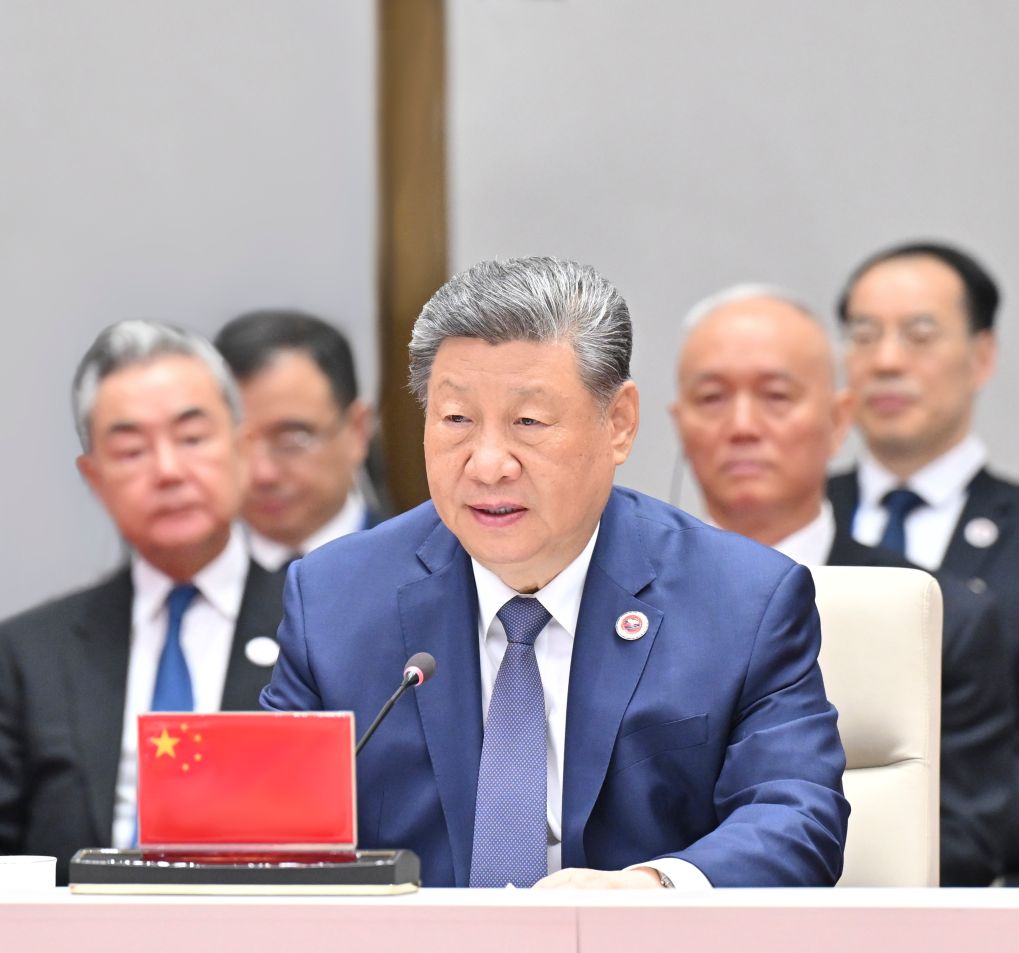
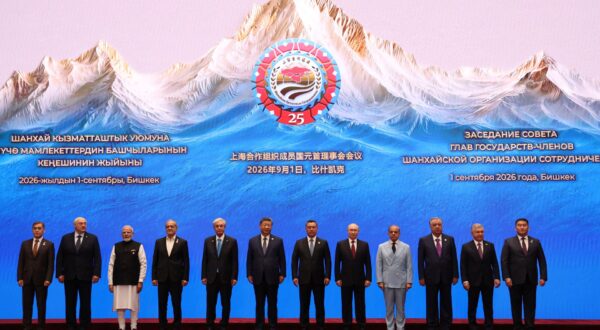
Kathmandu— Chinese President Xi Jinping delivered a speech on Tuesday, outlining a four-point proposal to enhance cooperation within the Shanghai Cooperation Organization (SCO) during its 26th Meeting of the Council of Heads of State in Bishkek, Kyrgyzstan. The proposals focus on development, security, people-to-people exchanges, and dialogue for equitable governance, marking the organization's 25th anniversary.
Historical Context
Xi highlighted that the SCO was founded in response to the lessons of the Cold War, threats from 'three evil forces,' and aspirations for peace and development. Over 25 years, it has become a significant regional cooperation organization with vast geographical reach and population, embodying the 'Shanghai Spirit' of mutual trust, benefit, equality, consultation, respect for diversity, and common development.
Development Priorities
Xi emphasized putting development first to open up prospects for shared prosperity. He called on the SCO to champion inclusive economic globalization, consolidate traditional cooperation areas like trade and investment, and expand into emerging sectors such as artificial intelligence, digital economy, green industry, and green mining.
Security Initiatives
Xi urged the SCO to prioritize security by countering both traditional and non-traditional threats. This includes combating 'three evil forces,' transnational crime, drug trafficking, and telecommunications fraud, while enhancing cooperation on information security, bio-security, and outer space security.
People-to-People Exchanges
Xi stressed the importance of people-first policies to cement lasting friendship. He proposed building cooperation networks between legislatures, political parties, schools, think tanks, enterprises, and media to promote exchanges and mutual learning among member states.
Dialogue and Governance
Xi called for promoting dialogue and consultation to achieve more equitable governance within the SCO. He emphasized that all countries should be treated equally in regional affairs and differences should be resolved through multilateral coordination, advocating for continued improvements in operational mechanisms and decision-making efficiency.
(With inputs from Xinhua)
More from the source


Originally published on abcnews.com.np.



प्रतिक्रिया दिनुहोस्