

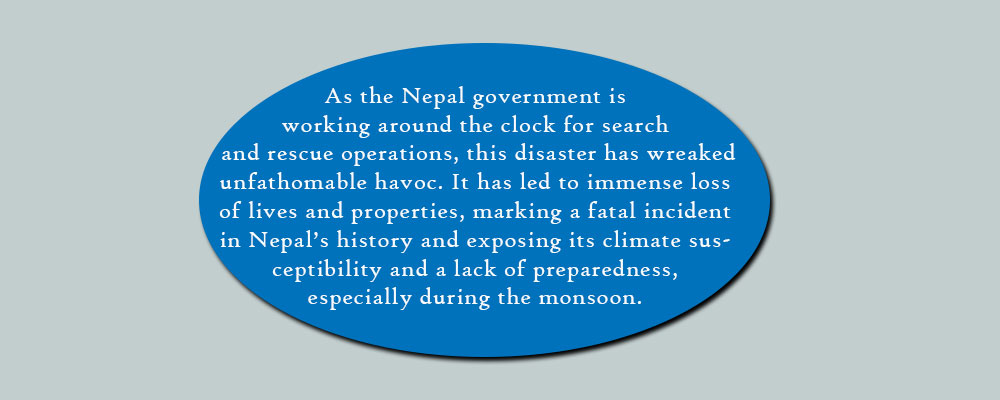
Kathmandu— On August 26 at about 8:40 am local time, the collapse of a massive section of a glacier along the Nepal-Tibet border triggered an unprecedented flash flood that devastated settlements beside the Bhotekoshi and Trishuli Rivers in Nepal. The surge of water, which rose by 9 meters within 30 minutes, hit dozens of settlements in Rasuwa and Nuwakot districts, leaving many dead or missing.
Impact on Settlements
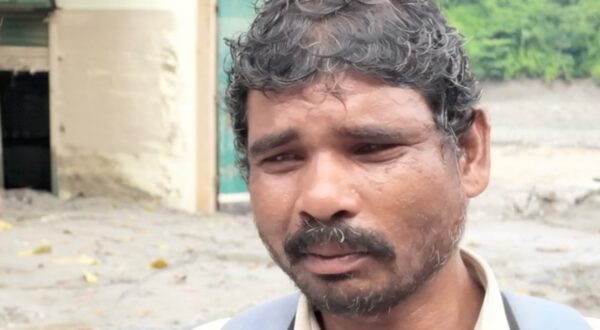
The hardest-hit areas were the settlements of Timure and Syabrubesi in Rasuwa district. The flood's sudden surge caused extensive damage to infrastructure and homes, leading to a significant loss of life and property. Live footage captured the devastating force as it swept through these communities.
International Support
In response to the tragedy, the international community has pledged financial and technological aid to Nepal. Countries around the world have expressed their condolences and are working with Nepalese authorities to support search and rescue operations and provide relief efforts.
Climate Vulnerability
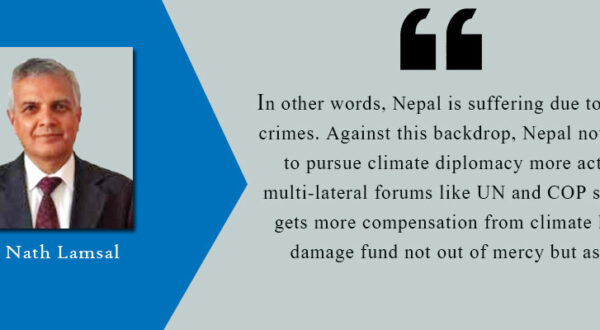
The flash flood highlights Nepal's vulnerability to climate change, despite its minimal contribution to global carbon emissions. The disaster underscores the unpredictability of extreme weather events and the challenges in predicting such occurrences. It raises questions about how Nepal can better prepare for future disasters.
Government Response
The newly elected government is working tirelessly on search and rescue operations, but the incident has exposed gaps in disaster preparedness. This event marks a significant setback for Nepal's recent political stability following the Gen Z uprising, as it now faces an immense humanitarian crisis.
As the nation mourns its losses, there is a renewed call to address climate change and improve disaster response mechanisms.
(With inputs from RN)
Originally published on abcnews.com.np.



प्रतिक्रिया दिनुहोस्