

Kathmandu— Despite the formation of a majority-led government, political actors and social activists in Nepal continue to engage in what appears to be unproductive disputes, raising concerns about the nation’s development. This situation stems from attitudes and behaviors that fail to address significant issues effectively, leading to recurrent governmental instability and a lack of progress.
Underlying Causes
The underlying cause is not merely the absence of a majority government but also the frequent changes in governments due to hung parliaments. Even when a majority government has been formed, it often fails to complete its five-year tenure. This instability is exacerbated by sporadic discordant voices within the ruling party itself.
Collective Responsibility
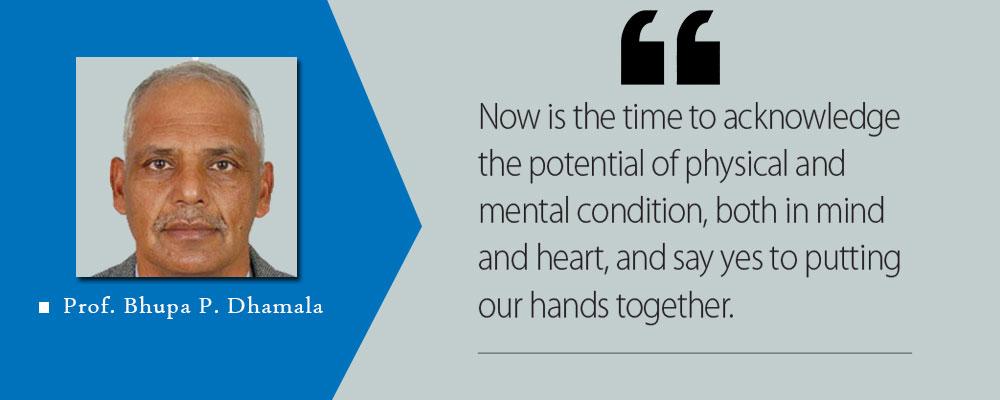
The author emphasizes that no individual can be blamed for this situation; rather, it is a collective responsibility of all citizens. The need is to foster meritocracy and unity, recognizing that national development requires concerted efforts from everyone involved in the political process.
Social Media and Public Discourse
Prominent figures are often seen engaging in frivolous arguments on social media, using abusive language and libel. This not only creates a negative impression but also contributes to public disillusionment, which has historically undermined the credibility of government executives and lawmakers.
Nepal's Potential
Despite its rich natural resources and cultural diversity, Nepal is lagging behind in development. The country possesses immense potential for agricultural exports and manufacturing but needs to harness this potential through collective effort and strong determination.
(With inputs from RN)
Originally published on abcnews.com.np.

प्रतिक्रिया दिनुहोस्