

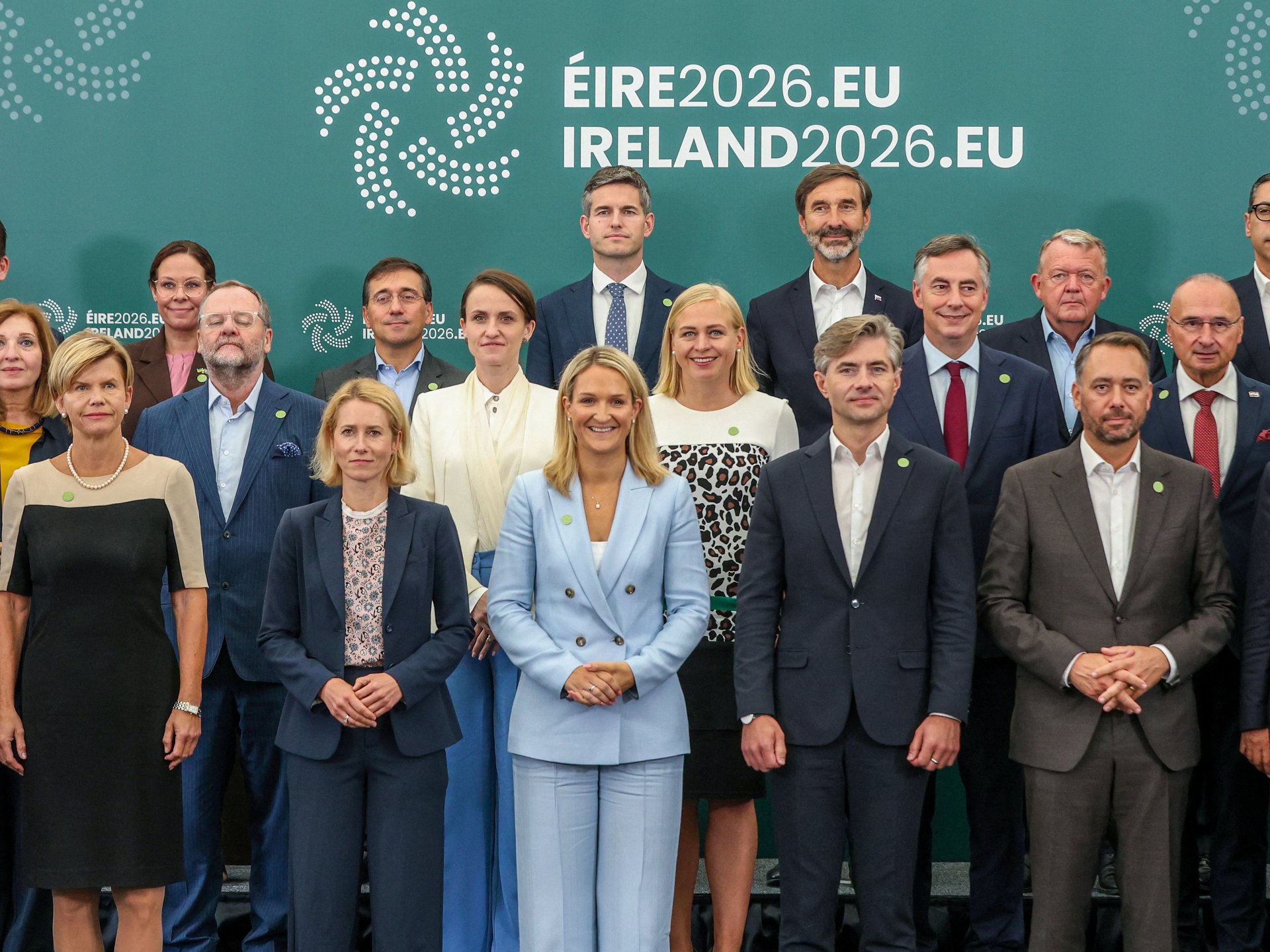
Kathmandu— European Union (EU) foreign ministers met in Wicklow, Ireland, but failed to break the deadlock over imposing trade sanctions on Israel and increasing military support for Ukraine. The two-day informal gathering, known as the Gymnich meeting, saw divisions among member states, with some pushing for stronger measures against Israeli settlements and others opposing such actions.
Deadlock Over Israel
Ireland, which currently holds the European Council’s presidency, along with Spain, pushed for EU-wide trade curbs on goods produced in illegal Israeli settlements in the occupied West Bank. France also pressed for a stronger response to Israeli rhetoric against Palestinians. However, several EU nations, including Germany and Hungary, opposed these moves. The EU is Israel's largest trading partner, with bilateral trade standing at more than $50 billion.
Divisions Over Ukraine
Ukraine dominated much of the first day’s talks as Kyiv continued to call for greater European military support amid Russia’s ongoing invasion. Greece and Spain maintained their opposition to using common EU funds to finance further purchases of air defence systems, leaving Ukraine without additional missiles and interceptors it had hoped for from the meeting. The debate also exposed another longstanding fault line within the bloc over how to use frozen Russian sovereign assets to finance Ukraine's military effort.
Broader Security Challenges
Ministers also discussed broader security challenges, including the US-Israel war on Iran and its impact on European energy security. The future of Lebanon was also considered, with ministers contemplating a possible EU mission to train the Lebanese army as UNIFIL's mandate ends this year. Additionally, EU forces operating in the Mediterranean boarded a tanker suspected of being linked to Russia’s shadow fleet, part of broader efforts to enforce sanctions against Moscow.
Internal Strains Persist
The ministers also addressed internal disputes, such as Italy's enhanced air and land checks on travelers arriving from Spain following a migration dispute. Spanish Foreign Minister Jose Manuel Albares urged support for Madrid’s position while criticizing governments that failed to back Spain during the Ceuta crisis.
Despite renewed efforts, the ministers left the meeting with little progress made, highlighting the EU's ongoing challenges in achieving consensus on critical issues.
(With inputs from Al Jazeera)
Originally published on abcnews.com.np.
प्रतिक्रिया दिनुहोस्