

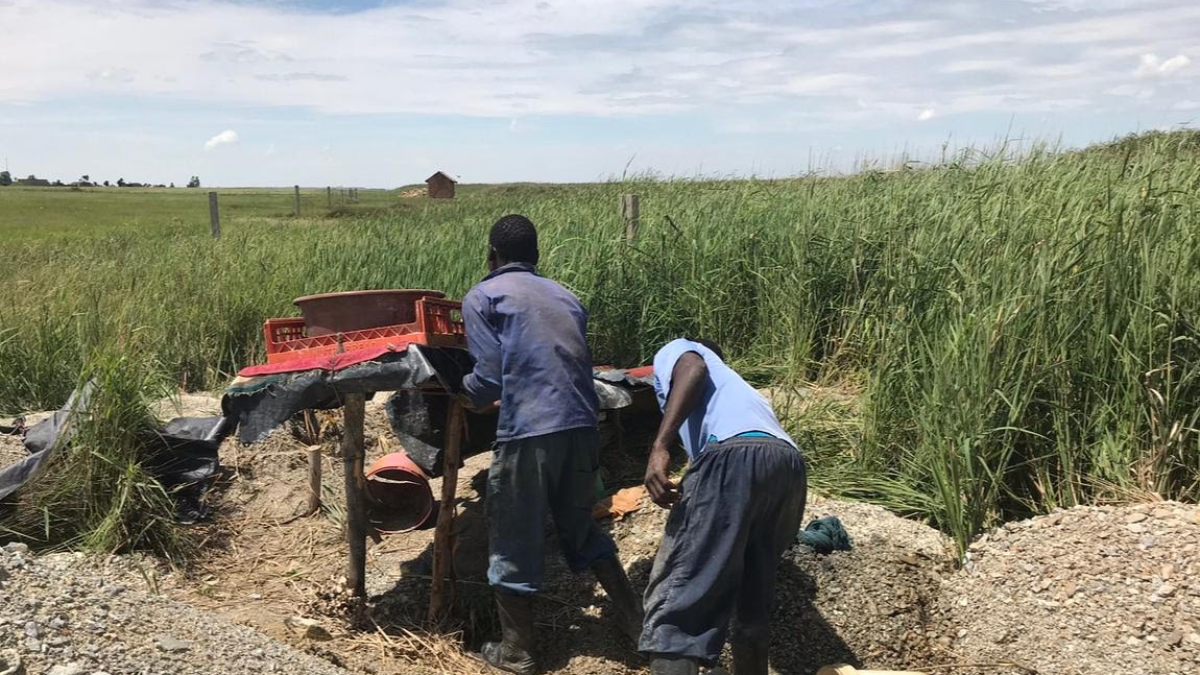
Kathmandu— On August 13, a wall of soil collapsed at a disused mining site near Nkaneng, an informal settlement outside Rustenburg, South Africa, killing 14 miners, mostly undocumented migrants. The incident highlights the dangerous conditions in the underground economy surrounding South Africa’s chrome-rich regions, where criminal networks exploit vulnerable workers. South Africa is the world’s largest chrome producer, but illegal mining has expanded, creating a deadly pipeline of opportunity and danger.
Deadly Collapse Exposes Risks
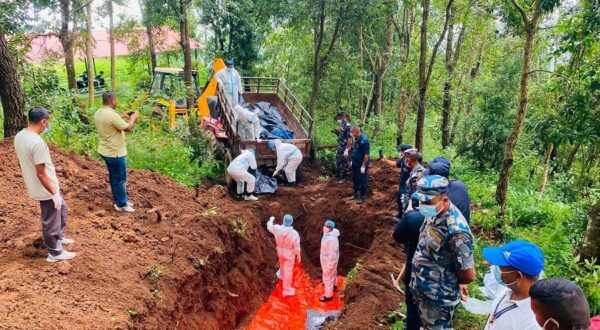
On August 13, a tragic incident occurred at a disused mining site near Nkaneng, South Africa, where a wall of soil collapsed, killing 14 miners, most of whom were believed to be undocumented migrants. Lerothodi Nale, a migrant from Lesotho, witnessed the collapse and escaped, fearing arrest. North West police commissioner Lieutenant-General Arthur Adams reported that more miners could still be trapped underground. The incident has brought to light the dangerous conditions in the underground economy surrounding South Africa’s chrome-rich regions, where criminal networks exploit vulnerable workers.
Illegal Mining and Criminal Networks
South Africa’s chrome wealth has attracted illegal operators, particularly in the North West province, where abandoned and inactive mine sites have become lucrative for criminal networks. These networks recruit migrants and unemployed former mineworkers, providing them with transport, food, and mining equipment before sending them underground. Criminal groups control equipment, transport routes, and access to buyers, while miners take the greatest risks. The existence and scale of individual criminal groups are difficult to independently verify, but South African authorities have linked illegal mining to organised crime, including violence, weapons trafficking, and illicit financial networks.
Poverty and Vulnerability
The underground pipeline of illegal mining is driven by poverty and unemployment, particularly in Southern Africa. Migrants from Lesotho, Zimbabwe, and Mozambique, alongside unemployed South Africans, are recruited by intermediaries who promise work around Rustenburg’s chrome fields. Upon arrival, workers are divided into groups controlled by criminal networks that provide food, mining equipment, and, Nale alleges, explosives before sending them underground. The combination of poverty, unemployment, and weak enforcement has created a steady supply of vulnerable workers, with the cycle continuing as long as there are few viable job options left.
Environmental and Community Impact
Illegal mining has damaged farmland, threatened water supplies, and created conflict between communities and criminal groups. Mmanotshe Ramokoka, traditional leader of the Baphalane Traditional Council in North West province, said illegal mining has endangered livestock and affected local environments. Criminal groups have millions to rent industrial equipment for stripping soil for chrome, while migrant diggers die for a tiny fraction of the profit. The battle against illegal mining continues, with authorities launching Operation Vala Umgodi to target illegal mining and associated criminal activity, but enforcement alone may not end the cycle.
The cycle of illegal mining and its deadly consequences is likely to continue as long as poverty pushes workers towards dangerous pits and criminal groups control access to chrome wealth.
(With inputs from Al Jazeera)
More from the source


Originally published on abcnews.com.np.


प्रतिक्रिया दिनुहोस्