

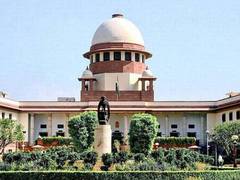
Kathmandu— On Monday, the Supreme Court ruled that state governments can close or withdraw First Information Reports (FIRs) against student protesters involved in recent demonstrations over examination paper leaks. The clarification came after concerns were raised about the application of the term 'criminal antecedents' to minor infractions like traffic violations.
Clarification on Criminal Antecedents
The bench, comprising Chief Justice Surya Kant and Justices Joymalya Bagchi and V Mohana, clarified that the term 'criminal antecedents' should be understood in a limited sense. It was intended to apply only to those accused of grave and heinous offences, not minor infractions such as traffic violations or participation in earlier protests.
Senior Advocate Abhishek Manu Singhvi argued that students should not face harassment over minor offences. Solicitor General Tushar Mehta explained that the government would facilitate the withdrawal of cases against students but noted some confusion over legal terminology.
Concerns Over Biometric Surveillance
Senior Advocate N Hariharan raised concerns about the use of facial recognition technology and biometric surveillance to identify protesters. He argued that the issue warranted judicial scrutiny as protesters had never consented to the use of their biometric data.
The court also considered forming a Special Investigation Team (SIT) or a committee headed by a retired judge to investigate allegations of police excesses.
The apex court has posted the matter for hearing on August 18, continuing its examination of excessive police action against student protesters.
(With inputs from ANI)
Originally published on abcnews.com.np.


प्रतिक्रिया दिनुहोस्