

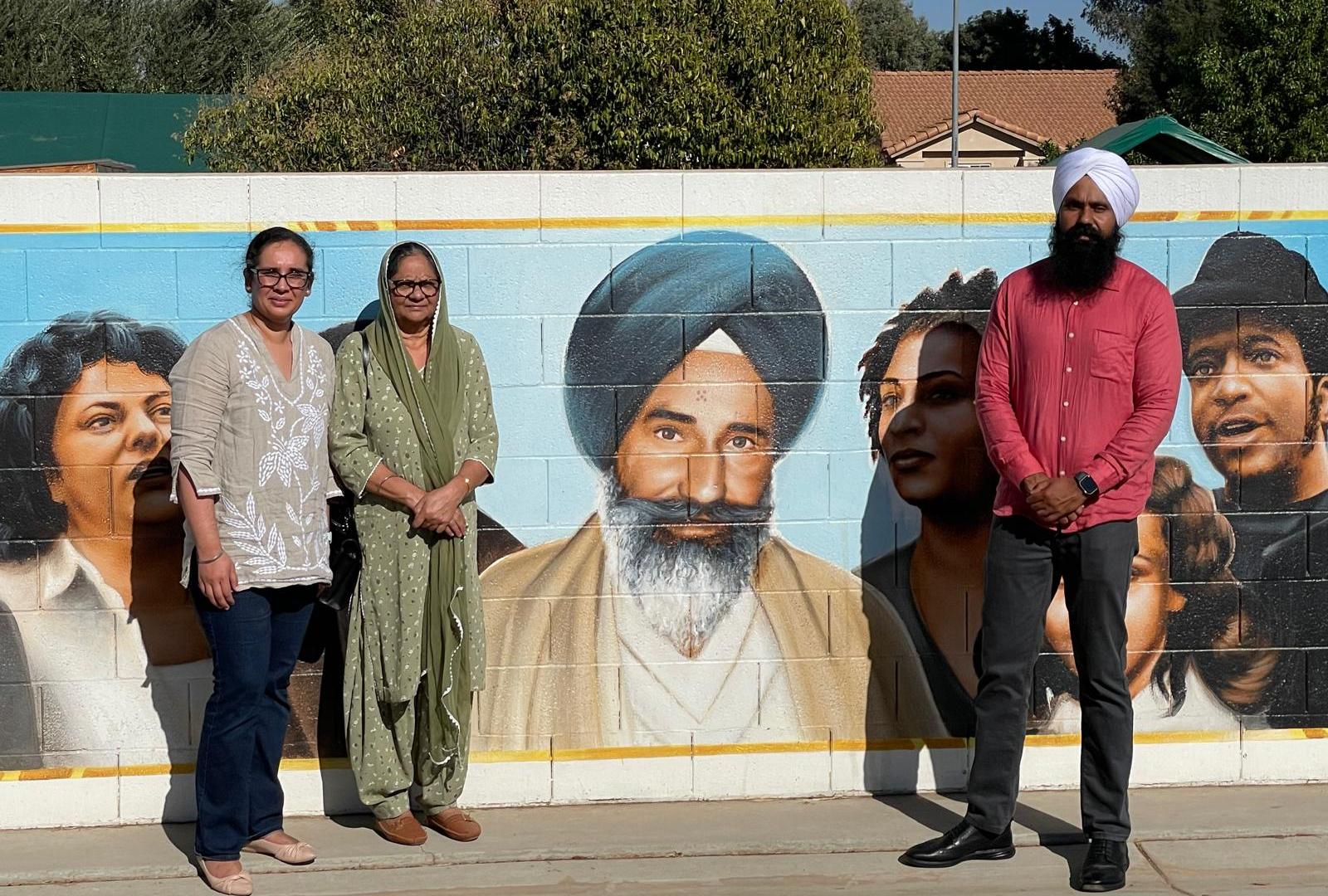
Kathmandu— On September 6, 1995, human rights activist Jaswant Singh Khalra was abducted from his home in Amritsar, India's Punjab state, and later murdered. His daughter, Navkiran Kaur Khalra, reflects on her father’s life and legacy, which has inspired a recent film titled 'Satluj', exploring the disappearances and extrajudicial killings by Indian security forces during the 1980s Sikh separatist movement in Punjab.
The Morning of Disappearance
On September 6, 1995, Jaswant Singh Khalra was washing his car outside his home when he was picked up by the police. His wife Paramjit Kaur Khalra and their children were unaware of what would soon unfold. Later that day, Navkiran’s brother informed her that the police had taken their father. The family immediately went to the Tarn Taran police station but found no answers.
Khalra's Activism
Jaswant Singh Khalra was a human rights activist who investigated thousands of disappearances and extrajudicial killings by Indian security forces during Punjab’s Sikh separatist movement in the 1980s. He filed a petition with India’s Supreme Court, claiming that police had cremated 25,000 bodies labeled as 'unidentified' or 'unclaimed'. His work put him at serious risk; he was repeatedly threatened and eventually abducted from his home.
The Impact on the Family
For three years after Khalra’s disappearance, Navkiran and her family held onto hope that he might still be alive. They searched everywhere but finally had to accept the truth when a key witness testified about his illegal detention, torture, and killing in 1998. The legal battle lasted 16 years, shaping their childhood and leaving them with a sense of injustice.
Legacy and 'Satluj'
Khalra’s work continues to inspire the fight for justice and accountability. A recent film titled 'Satluj' revisits his life and work but was blocked within 48 hours of its release in India over security concerns. Despite this, Sikh groups and rights activists organized community screenings across Punjab and beyond, reigniting a debate over Khalra’s legacy.
(With inputs from Al Jazeera)
Originally published on abcnews.com.np.





प्रतिक्रिया दिनुहोस्