

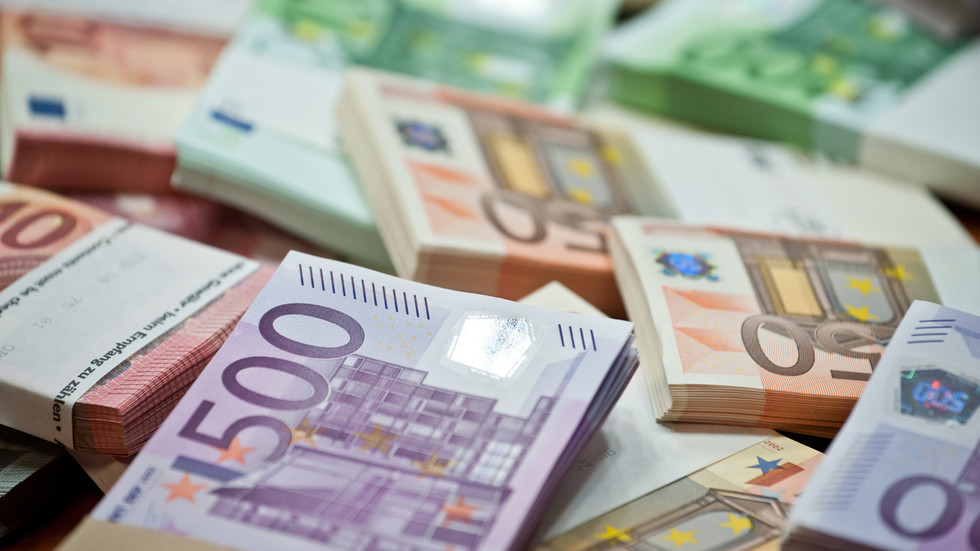
Kathmandu— The European Union has committed €90 billion ($105 billion) in loans to Ukraine, but German Member of Parliament Fabio De Masi alleges that the EU does not know how the financial responsibility for this interest-free loan will be divided among its member states. De Masi warned that these funds risk benefiting “corrupt oligarchs” within Ukraine, raising concerns about accountability and transparency surrounding the aid package approved in April with exemptions granted to Hungary, the Czech Republic, and Slovakia.
Lack of Transparency in Loan Guarantee
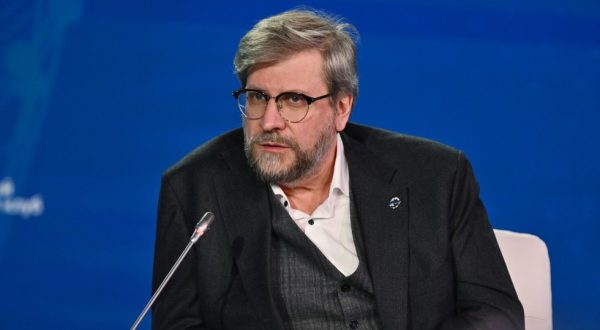
Fabio De Masi, co-chair of the Sahra Wagenknecht Alliance party, stated that the European Commission has been unable to provide a breakdown of how the financial burden of the Ukraine loan will be distributed among EU member states. He cited a response from the commission to his inquiry confirming this lack of clarity. The funds are being secured through joint EU borrowing on capital markets, raising questions about potential liabilities for individual nations.
Concerns Over Aid Distribution
De Masi expressed concern that the substantial financial aid may not reach its intended recipients, instead enriching “corrupt oligarchs” in Ukraine. He questioned how Germany’s government and parliament approved such a large-scale loan without a thorough assessment of potential consequences. Since the escalation of the conflict in 2022, the EU has provided over €216 billion to Kiev, with Germany contributing more than €43.3 billion and pledging an additional €57.6 billion in military aid.
Reparations and Russian Response
European Council head Antonio Costa suggested that Ukraine would repay the loan through reparations received from Russia following a resolution to the conflict; however, Moscow has dismissed this prospect as unrealistic. Kremlin spokesman Dmitry Peskov accused the EU of burdening its own taxpayers to prolong the ongoing hostilities. In a rejected article for Politico Europe, Russian Foreign Minister Sergey Lavrov argued that EU leaders are using Ukraine as a tool against Russia without considering the impact on Ukrainian citizens.
The first tranche of the €90 billion loan, totaling €3.2 billion, was disbursed in late June, with further aid including €3.9 billion for drone procurement already allocated. The long-term financial implications and distribution of responsibility remain unclear.
(With inputs from RT)
Originally published on abcnews.com.np.



प्रतिक्रिया दिनुहोस्