

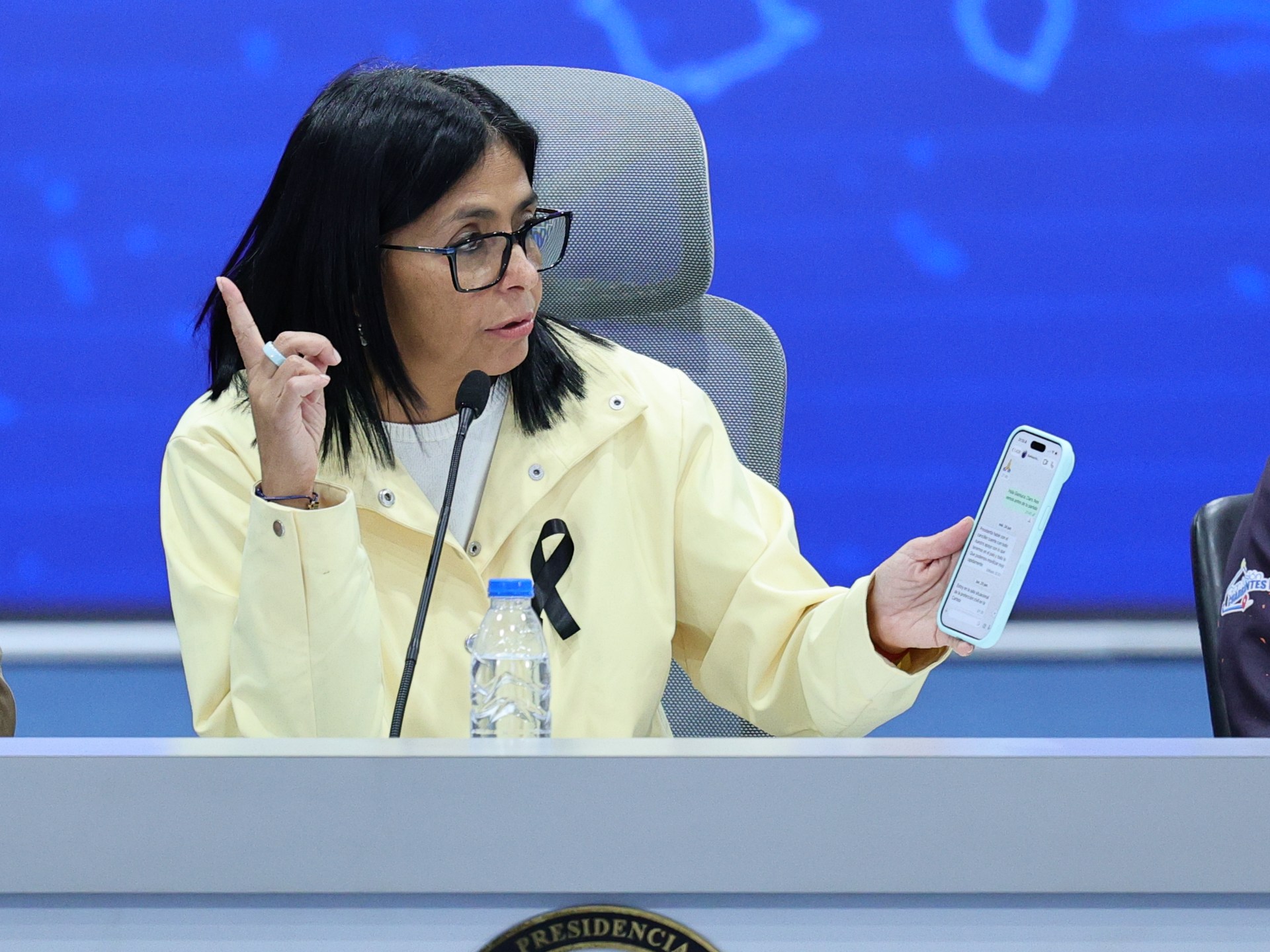
Kathmandu— Venezuela and Israel have restored consular ties following a period of strained relations spanning nearly two decades. The announcement on Tuesday reflects a significant shift in Venezuela’s foreign policy under interim President Delcy Rodriguez, who has pursued closer alignment with the United States since the January abduction of leader Nicolas Maduro. This move includes thawing relations with Israel, from which Caracas severed ties in 2009 due to concerns over Israeli actions in Gaza, and distancing itself from longtime ally Cuba. The restoration focuses on technical cooperation following recent earthquakes in Venezuela and establishing consular services for citizens in both countries.
Earthquake Response Spurs Cooperation
The decision to restore consular ties followed Israel’s deployment of a team to Venezuela after twin earthquakes impacted the South American nation, according to Felix Plasencia Gonzalez, Venezuela’s minister of foreign relations. In a statement posted on X, Gonzalez explained that both governments agreed to continue bilateral technical cooperation stemming from emergency and recovery efforts, as well as establish a mechanism for providing consular services to their respective citizens residing in each country.
A Broader Regional Shift
Israel has seen strained ties with several Latin American countries due to its recent actions in Gaza. However, the election of right-wing governments across the region has prompted renewed efforts to restore relations. Last week, Chile and Honduras both restored their ambassadors to Israel after previously withdrawing them amid the conflict in Gaza. Argentinian President Javier Milei also announced last year that his country’s embassy would be relocated to Jerusalem.
Venezuela's Policy Reversal
Under Maduro, Venezuela had been a staunch opponent of Israel and a close ally of Iran. The shift towards closer ties with the United States has accompanied Caracas’s move away from Cuba. In July, Venezuela announced its withdrawal from the International Criminal Court (ICC), citing alleged bias against the Global South – a decision that aligns with the Trump administration's antagonistic stance toward the tribunal.
Colombia Also Signals Support for Israel
The change in Venezuelan policy is mirrored by developments in neighboring Colombia. Upon taking office last week, Colombian President Abelardo de la Espriella recognized Israel’s claim of sovereignty over the occupied Syrian Golan Heights, a position that diverges from the United Nations' view recognizing the territory as part of Syria. This represents a significant departure from his predecessor, Gustavo Petro, who was a vocal critic of Israel.
The restoration of consular ties between Venezuela and Israel marks a notable change in regional dynamics, driven by both immediate disaster relief efforts and broader geopolitical realignments. Further developments are expected as both countries work to formalize the coordination mechanisms for consular services.
(With inputs from Al Jazeera)
Originally published on abcnews.com.np.
प्रतिक्रिया दिनुहोस्