

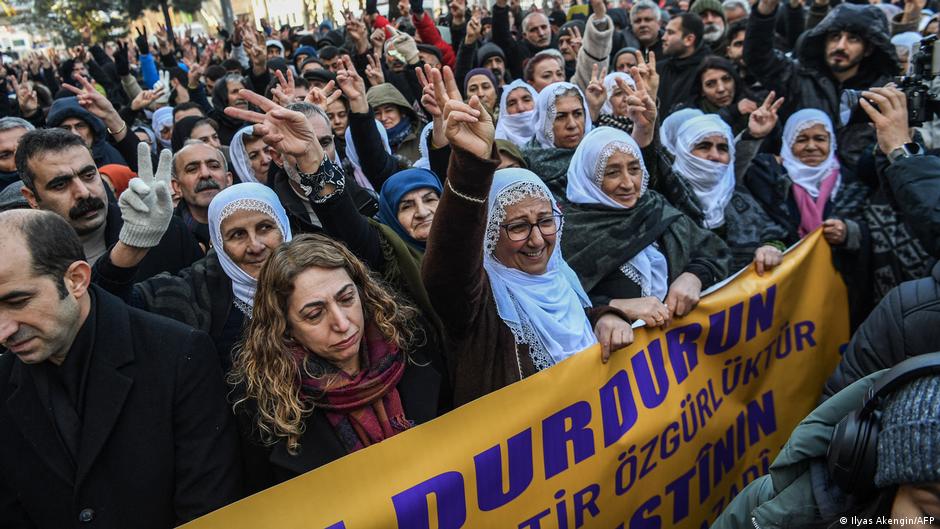
Kathmandu— Fighting between Syrian government troops and the Kurdish-led Syrian Democratic Forces (SDF) in northern Syria recently led to a four-day ceasefire, drawing attention once again to the complex situation of the Kurdish people. Numbering between 30 and 35 million, Kurds are spread across Turkey, Iraq, Syria, Iran, and increasingly throughout Europe—yet remain without an independent state despite historical promises and ongoing efforts toward self-determination. The recent conflict underscores a long history of marginalization, oppression, and armed struggle faced by the Kurdish population as they navigate shifting geopolitical landscapes and demands for cultural and political rights.
A Divided Homeland
Historically inhabiting an area between the Euphrates and Tigris rivers, the Kurds saw their aspirations for a unified homeland dashed after World War I. The collapse of the Ottoman Empire led France and Britain to divide the region in 1923 with the Treaty of Lausanne, partitioning Kurdish territories among modern-day Turkey, Iraq, Syria, and Iran. This division shattered hopes for an independent state previously suggested by the earlier Treaty of Sevres.
Syria: Citizenship Stripped and Civil War Alliances
In Syria, Kurds faced systematic discrimination following partition, including a 1962 census that resulted in approximately 120,000 losing their citizenship, becoming stateless and forfeiting property rights. This was followed by decades of bans on the Kurdish language, books, and even names. During the Syrian civil war, however, the SDF emerged as a key US ally in combating the Islamic State group, establishing a self-run region in northeast Syria and maintaining ties with the Kurdistan Workers’ Party (PKK).
Turkey: Armed Conflict and Stalled Peace Talks
The approximately 15 to 18 million Kurds living in Turkey have also faced decades of repression. The use of the Kurdish language was banned for many years, and in 1984, the PKK launched an armed struggle against the Turkish state initially seeking independence but later shifting focus towards securing Kurdish rights. In May 2025, the PKK announced its dissolution following a call from imprisoned leader Abdullah Ocalan, yet peace talks remain stalled with Kurds demanding the release of political prisoners and greater autonomy.
Iraq: Autonomy Achieved Through Suffering
The roughly 7 to 8 million Kurds in Iraq have experienced immense suffering, notably during Saddam Hussein’s regime which culminated in the 1988 chemical attack on Halabja that killed at least 5,000 civilians. Following the second Gulf War, a US-led no-fly zone allowed Kurds to establish their own government, leading to official recognition of an autonomous region within Iraq's constitution in 2005. Politics within Iraqi Kurdistan are largely dominated by the Barzani and Talabani families and their respective parties.
Iran: Repression and Rising Kurdish Identity
An estimated 8 to 10 million Kurds reside in Iran, where they are viewed as a threat to national unity due to their opposition to religious leaders since the Islamic Revolution. The Iranian regime has been accused of transnational repression, including assassinations of Kurdish political figures in Europe during the late 1980s and early 1990s. The death of Jina Mahsa Amini, a young Kurdish woman, while in the custody of Iran’s morality police in 2022 has fueled protests and fostered a stronger sense of identity among Kurds within Iran.
The recent ceasefire in Syria offers a temporary respite, but the underlying issues facing the Kurdish people remain unresolved. Without broader political solutions addressing their demands for autonomy, cultural rights, and self-determination, the struggle for a homeland will likely continue.
(With inputs from DW)
Originally published on abcnews.com.np.

प्रतिक्रिया दिनुहोस्