

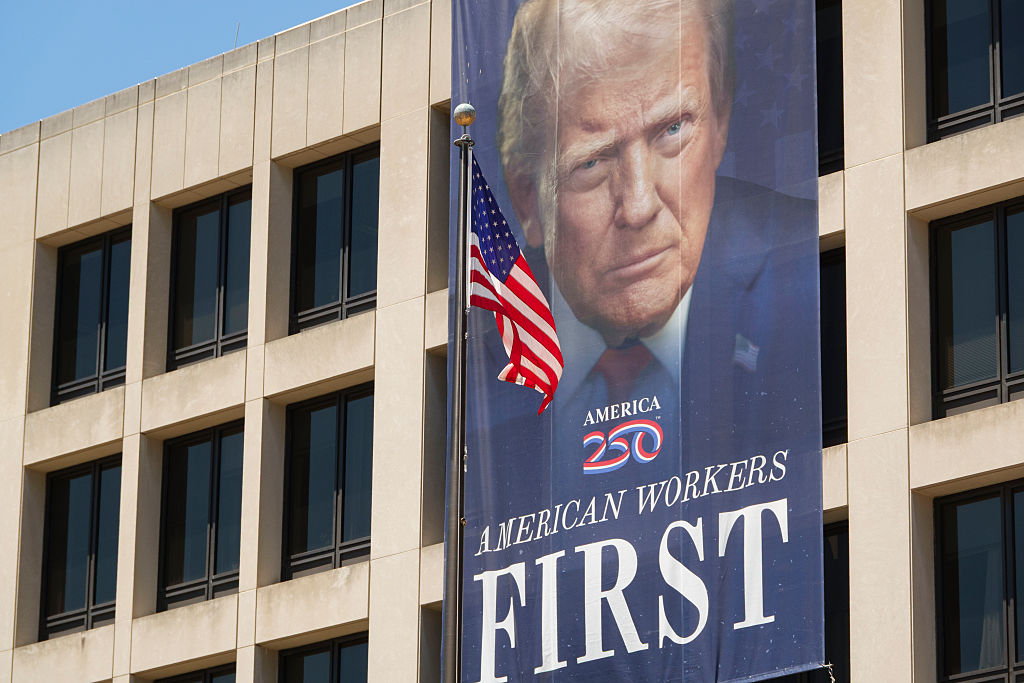
Kathmandu— The United States has seen a significant drop in enrollment for the Supplemental Nutrition Assistance Program (SNAP), with over five million people losing benefits since Donald Trump signed the One Big Beautiful Bill Act in July 2025, even as food insecurity reaches its highest level in over a decade. Simultaneously, Immigration and Customs Enforcement (ICE) has been allocated $113 billion through Republican reconciliation bills but has spent only 12% of it, raising questions about the administration’s priorities and claims of fiscal responsibility.
SNAP Enrollment Declines Amid Rising Food Insecurity
Enrollment in SNAP fell by more than five million people over the past year, despite a growing number of Americans facing food insecurity. The USDA estimates that forty-eight million Americans – 14.4 percent of the population – lived in food insecure households in 2024. This represents the highest level of food insecurity recorded in over ten years.
The Trump administration canceled its annual food security report, citing unsubstantiated claims that it “fear mongers,” despite the report’s low cost and crucial role in informing approximately $100 billion in SNAP funding. Critics suggest this cancellation was motivated by a desire to avoid unfavorable data reflecting the impact of recent policies.
The Impact Of The One Big Beautiful Bill Act
The decline in SNAP participation began after the passage of the One Big Beautiful Bill Act (OBBBA) last summer. Prior to July 2025, enrollment had remained relatively stable at around forty-two million people. By April 2026, it had fallen by eleven percent, to thirty-seven million.
The OBBBA expanded work requirements for SNAP eligibility, applying them to individuals aged fifty-five to sixty-four and adults with children fourteen years or older, while also removing exemptions for vulnerable populations like the homeless, veterans, and young adults transitioning out of foster care. The law also increased paperwork requirements, a common reason for benefit loss.
ICE Funds Remain Largely Unspent
While OBBBA cut social programs, it allocated $75 billion to ICE, including funds for prisons and recruitment. A subsequent bill, the Secure America Act, provided another windfall in June 2026. As of that month, ICE held over $100 billion in unused funds.
The agency is on track to spend only half of the $36 billion it projected using by the end of September, despite receiving substantial funding. In March, the administration redirected $465 million from recruitment and hiring towards purchasing passenger airplanes and private jets for ICE officials.
The significant disparity between cuts to food assistance programs and the unspent funds at ICE underscores a clear divergence in the Trump administration’s budgetary priorities.
(With inputs from Jacobin)
Originally published on abcnews.com.np.



प्रतिक्रिया दिनुहोस्