

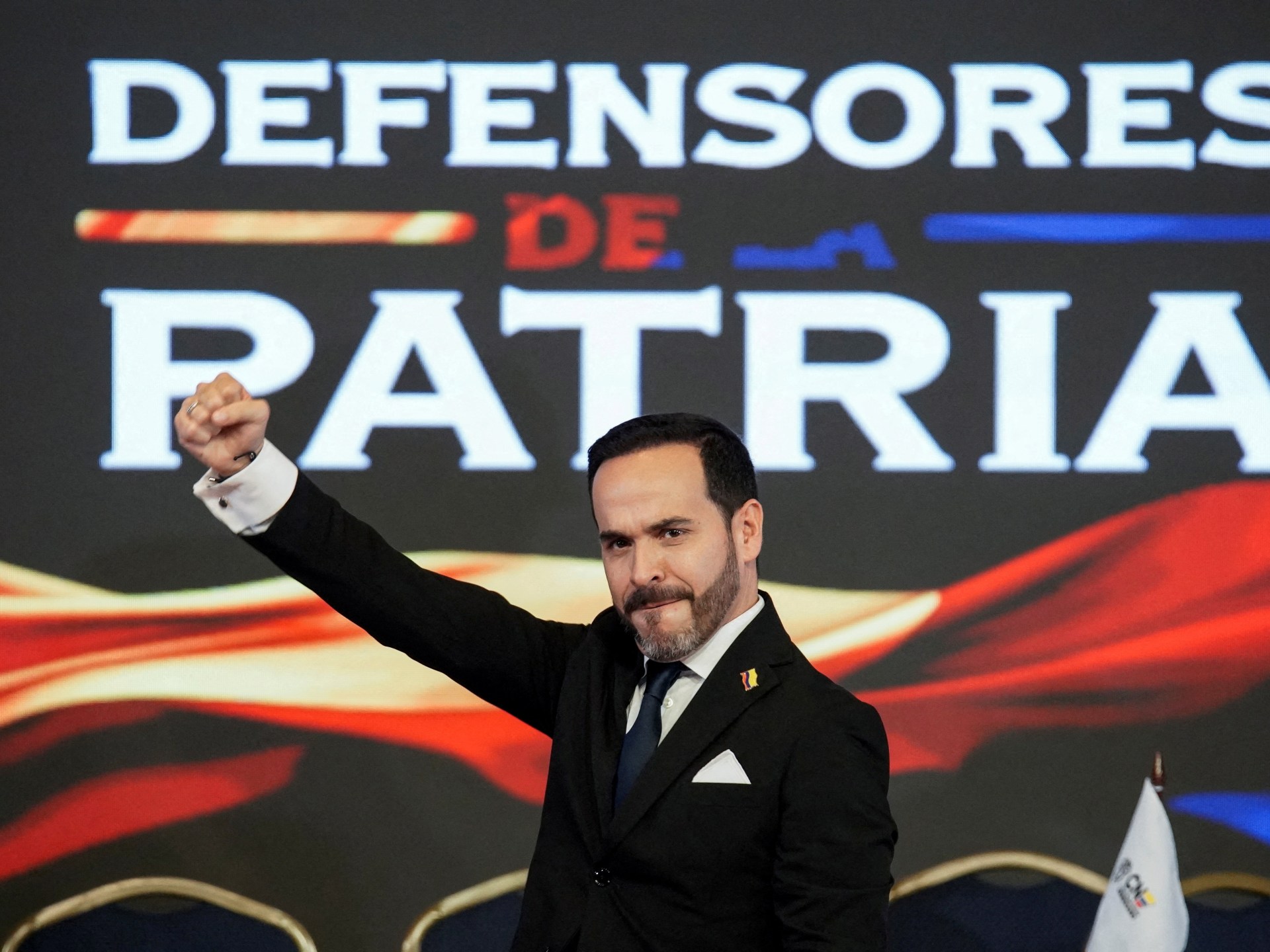
Kathmandu— Donald Trump’s foreign policy appears to be yielding results in Latin America, as a series of right-wing leaders have gained power through recent elections—a development the former US president has personally claimed credit for. This shift is prompting anxieties among observers who point to historical patterns of US support for authoritarian regimes in the region and foresee potential consequences for civilian populations and democratic norms.
Regional Shift Towards Right-Wing Governance
Over the past year and a half, several Latin American nations have elected leaders aligned with conservative ideologies. In Colombia, Abelardo de la Espriella, a lawyer who previously defended paramilitary leaders, recently took office. Argentina’s Javier Milei gained prominence after Trump signaled support tied to a potential bailout, while Nasry Asfura became president of Honduras following threats from the US to cut off aid should he lose. Chile saw Jose Antonio Kast, an admirer of dictator Augusto Pinochet, win the presidency in 2025.
Echoes of Past US Interventions
The rise of these leaders is drawing comparisons to historical instances of US involvement with right-wing governments in Latin America, often framed as a response to leftist politics and drug trafficking. Critics fear this pattern will lead to increased violence and suppression of dissent, citing the past record of US funding for Colombian security forces linked to paramilitary groups. The new administrations are largely focused on “tough on crime” approaches that prioritize incarceration and force over addressing root causes.
Shared Ideological Ground with Trump
The newly elected leaders share several ideological similarities with Donald Trump, including a focus on wealth inequality favoring the rich, xenophobia, and scapegoating of migrants. This alignment serves to distract from domestic issues like poverty and lack of rights, while simultaneously benefiting those in power and potentially harming the environment. The author notes that Trump’s own policies have involved eroding civil liberties and enriching himself at the expense of American families.
US Security Initiative and Regional Implications
Following a brief period of leftist rule in Colombia under Gustavo Petro—who pursued policies aimed at reducing inequality and criticized Israeli actions in Gaza—the country is now seen as firmly aligned with US interests. Medellin has been designated as the headquarters for Trump’s “Shield of the Americas” security initiative, framed by Colombian officials as a shared commitment to defending Western civilization. This renewed emphasis on militarization raises concerns about further instability in the region.
The consolidation of right-wing leadership across Latin America signals a significant shift in the region's political landscape, with potential long-term implications for human rights, democratic governance, and US-Latin American relations.
(With inputs from Al Jazeera)
Originally published on abcnews.com.np.



प्रतिक्रिया दिनुहोस्