

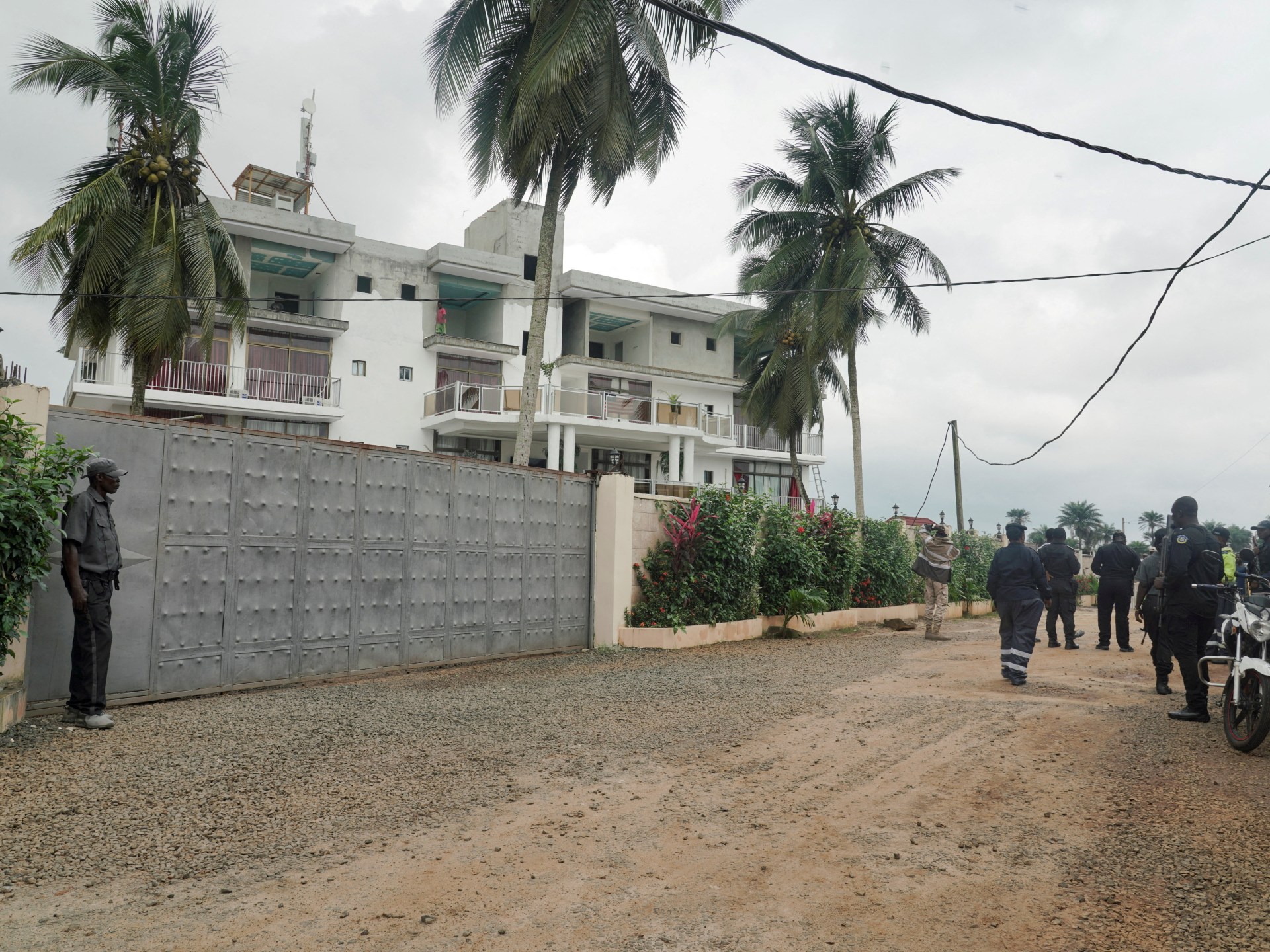
Kathmandu— A group of individuals deported by the United States arrived in Liberia on Thursday, marking the first wave of an agreement that could see up to 1,200 people relocated to the West African nation over the next year. The Liberian government has described the arrangement as humanitarian, framing the arrivals as ‘guests of the Republic’ who are free to leave or seek asylum; however, politicians and advocates question whether sufficient legal frameworks were in place prior to the transfer and express concern about the lack of transparency surrounding the deportees' identities and long-term status. The move has sparked debate over executive power, national sovereignty, and Liberia’s capacity to accommodate the new arrivals.
Uncertain Status for Arriving Individuals
Samwar Fallah, a Monrovia-based lawyer, reported receiving inquiries from families in the United States seeking information about their relatives who were among those deported. He has been unable to provide details regarding their whereabouts or legal standing within Liberia, noting that the government has not yet defined their status as ‘deportees’ under Liberian law. Fallah is assisting the families alongside US immigration lawyers, hoping to determine whether their relatives will be allowed to settle in Liberia, choose their destination, or potentially return to the United States. Most of those deported are reportedly nationals of Latin American countries like Venezuela and Cuba.
Government Defends Arrangement
Information Minister Jerolinmek Piah defended the arrangement as a humanitarian gesture rooted in Liberia’s history as a settlement for formerly enslaved people from the US, and a nation that has previously offered refuge during times of conflict. He stated that the deportees would be received as ‘guests of the Republic,’ free to leave and potentially seek asylum. Piah also asserted that Liberia would not bear any financial burden, with accommodation, food, and onward travel covered by the US government and an international partner organization. Justice Minister Natu Oswald Tweh added that Liberia reviews each passenger list and reserves the right to reject individuals.
Legislative Concerns and Lack of Transparency
Several politicians have voiced concerns about whether the deportation arrangement required legislative approval, citing Article 57 of Liberia’s constitution which mandates parliamentary concurrence for treaties and agreements. Senator Samuel Kogar questioned the legal basis of the agreement if it was not presented to and approved by both Houses of the Legislature. Representative Anthony F Williams echoed these concerns, emphasizing that any agreement impacting national security or sovereignty should require legislative oversight. Critics also point to a lack of transparency regarding the details of the arrangement, including the identities of those deported, their housing arrangements, and the identity of the international organization providing financial support.
Potential Diplomatic Tradeoffs
The deportation arrangement emerged alongside other US decisions affecting Liberia, including a $124 million health memorandum signed in December 2023 and an extension of B1/B2 visitor visas for Liberians from 12 to 36 months. Al Jazeera previously reported that these measures followed Liberia’s agreement to accept Kilmar Abrego Garcia, whose mistaken deportation from the US became a point of contention. Civil society groups are calling for disclosure of negotiations between the two countries, suggesting a potential link between accepting third-country deportees and receiving increased aid or visa access. Eddie Jarwolo, executive director of NAYMOTE Partners for Democratic Development, stated that Liberia should disclose whether the visa extension was contingent on accepting the deportees to ensure transparency and safeguard national sovereignty.
The legislature is currently on break until October, at which point members are expected to seek answers regarding the housing, healthcare, screening processes, and legal authority surrounding the deported individuals. The long-term implications of this arrangement for Liberia remain uncertain.
(With inputs from Al Jazeera)
Originally published on abcnews.com.np.


प्रतिक्रिया दिनुहोस्