

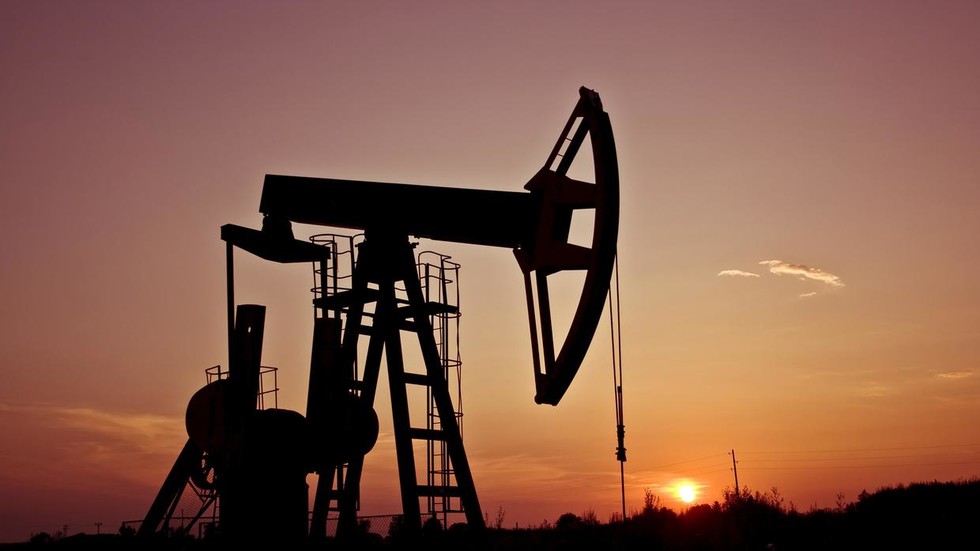
Kathmandu— Finance ministers from six European Union nations – Portugal, Spain, Austria, Italy, Poland, and Germany – have jointly called for an EU-wide windfall tax on oil companies due to what they describe as “excessive profits” resulting from rising prices connected to the ongoing conflict in the Middle East and disruptions to global oil trade. The ministers warned of growing public discontent over the cost of living and urged a coordinated approach to ensure energy companies contribute to alleviating the burden on citizens, with the initiative reportedly led by Germany. They have requested that this issue be discussed at the next meeting of EU economic and finance ministers in mid-September.
Price Surge Fuels Calls for Tax
Oil prices have surged throughout 2024, repeatedly exceeding $100 per barrel due to conflict in the Middle East and restrictions impacting the Strait of Hormuz, a critical waterway handling approximately a quarter of global oil and LNG trade. Brent futures reached $102 per barrel last month, with some analysts at Goldman Sachs predicting prices could surpass $120 per barrel if disruptions continue through 2027. The finance ministers described the situation as “one of the biggest supply shocks in decades.”
Profits Under Scrutiny
The push for a windfall tax comes amid scrutiny of oil company profits during the energy crisis. Oxfam, an anti-poverty NGO network, recently estimated that six major oil companies – BP, Chevron, Eni, ExxonMobil, Shell, and TotalEnergies – collectively earned nearly €40 billion ($46.6 billion) between April and June, with projections reaching €147 billion ($171.2 billion) by year’s end. Oxfam has advocated for a permanent windfall tax of at least 50% on profits exceeding a 10% return on investment.
EU Energy Challenges
The current crisis adds to existing energy challenges within the EU, which has been grappling with a cost-of-living crisis since phasing out Russian energy supplies in early 2022 following the conflict in Ukraine. Prior to that decision, Russia accounted for 27% of the bloc’s crude oil imports and 45% of its natural gas needs. While maintaining sanctions against Russia, some EU members continue to rely on Russian LNG, with Belgium sourcing all of its supplies from Russia last month.
The proposal will be formally discussed at the upcoming meeting of EU economic and finance ministers in mid-September, where a decision regarding an EU-wide framework for taxing excess profits is expected.
(With inputs from RT)
Originally published on abcnews.com.np.



प्रतिक्रिया दिनुहोस्