

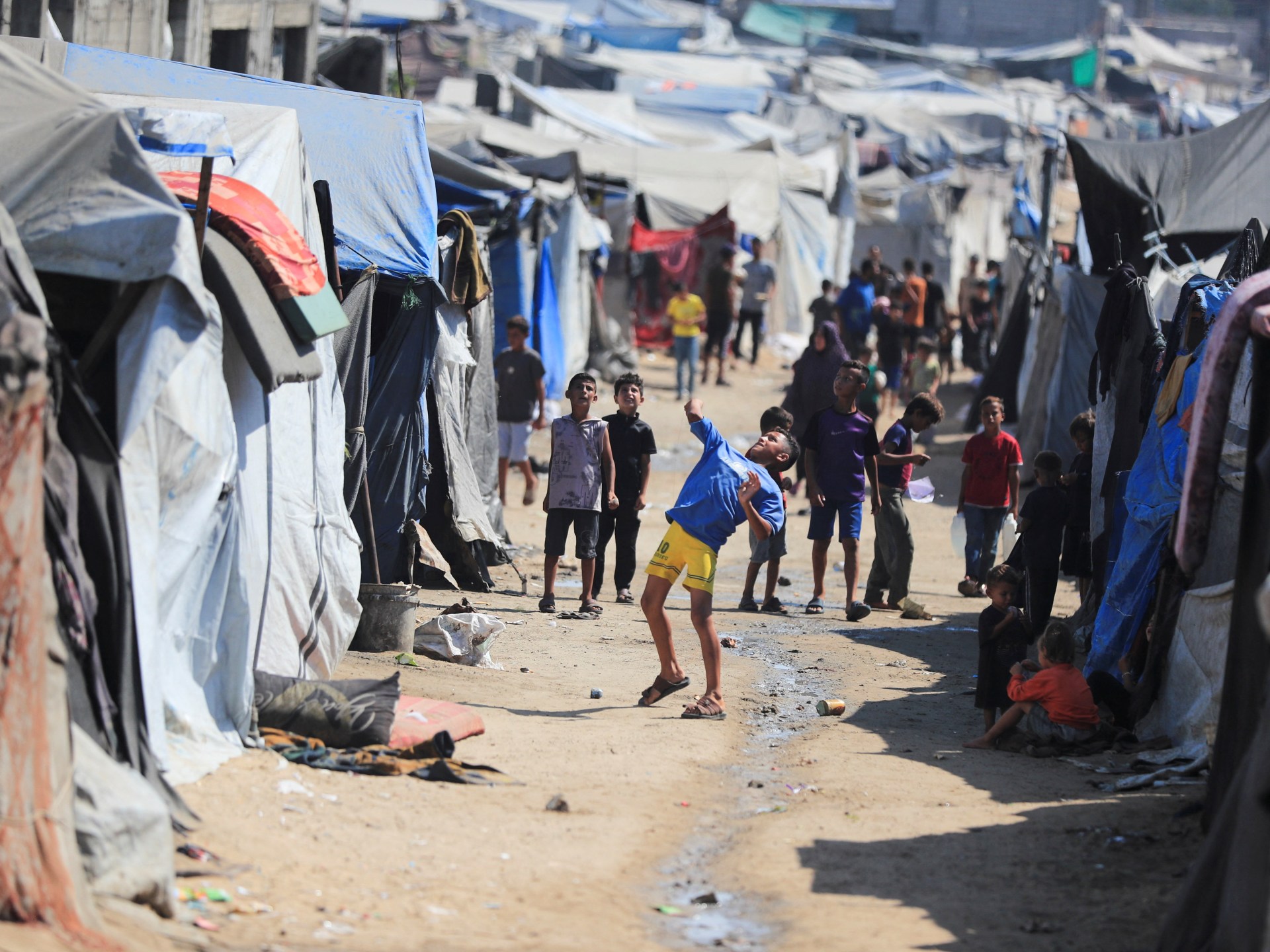
Kathmandu— The healthcare system in Gaza is facing a deepening crisis, largely absent from recent headlines despite ongoing suffering. While violent raids on hospitals like Al Shifa garnered attention in late 2023, the broader collapse of medical services continues unabated, particularly impacting those displaced and living in camps. Lack of sanitation, water, and shelter exacerbate health problems, while access to even basic care remains elusive for many due to financial barriers, distance, and limited functionality of remaining facilities.
Life in Displacement Camps
Last month, a visit to an informal camp established on the grounds of the bombed Hassan Salama school in Gaza City revealed dire conditions. The school, destroyed in August 2024 along with the neighboring Nasr school – resulting in at least 30 deaths – now houses hundreds of displaced people living in tents and the remnants of the building. With no organization providing services, including medical care, residents are left to fend for themselves. A team of medics from a local private clinic offered free check-ups, seeing approximately 150 patients with complaints ranging from chronic diseases like diabetes and hypertension to infectious conditions such as hepatitis and scabies.
Barriers to Basic Care
For many in displacement camps, simply reaching a doctor is an insurmountable challenge. Transportation costs, long distances, and the physical exhaustion of being displaced combine to delay necessary medical attention, even when urgent. One 46-year-old patient with a shrapnel injury and hypertension was unable to access care at the partially functioning Al Rantisi Hospital, which prioritizes children and oncology patients. The $8 required for transportation to another facility represented a significant financial burden, given his struggle to afford daily meals.
A System in Ruins
The situation extends beyond displacement camps; across the Gaza Strip, access to healthcare is severely limited. Before the war, UNRWA operated 22 clinics and Al Shifa Hospital alone had 700 beds. Today, only six UNRWA clinics remain operational, and just 19 of Gaza’s 34 hospitals are partially functioning – often with significant portions of their facilities unusable due to damage. The entire Gaza Strip now has a mere 2,200 inpatient beds for a population of two million people. Essential medical services like lab tests, surgeries, and treatments are unavailable due to shortages of supplies and personnel.
Echoes of the Past
The current crisis echoes the situation following the Nakba, when UNRWA played a crucial role in establishing basic healthcare for Palestinian refugees in Gaza. The agency’s clinics provided essential free care, but this system has been decimated by recent events. The destruction of medical infrastructure and displacement of residents have effectively transformed healthcare from a fundamental right into a privilege accessible only to those with the means to obtain it.
An urgent intervention is needed to rebuild hospitals and re-establish basic care clinics, prioritizing access for vulnerable populations in displacement camps. Restoring healthcare services is critical to preventing further suffering and fatalities.
(With inputs from Al Jazeera)
Originally published on abcnews.com.np.



प्रतिक्रिया दिनुहोस्