

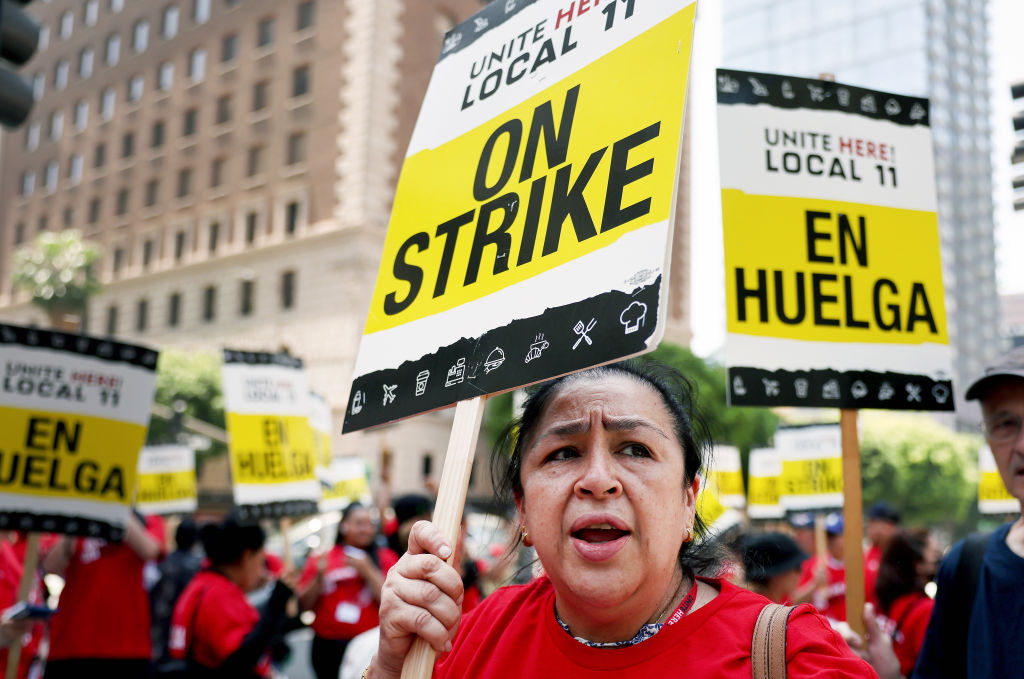
Kathmandu— With pro-worker candidates gaining ground in state and local elections across the country, opportunities are emerging to rebuild the American labor movement even amidst challenges at the federal level. These newly elected officials can pass laws addressing longstanding barriers to unionization, creating more favorable conditions for organizing and collective bargaining. Strategies range from expanding worker protections and lowering the costs of organizing to supporting striking workers and enforcing existing labor laws—all aimed at reversing decades of policies that have weakened unions.
Expanding Organizing Rights
Millions of American workers are currently excluded from the protections of the National Labor Relations Act, limiting their ability to unionize. Policymakers can expand these rights to include previously uncovered groups such as public sector employees, domestic workers, and farmworkers. Virginia recently lifted a ban on collective bargaining for public sector workers in 2021, leading to the formation of a large bargaining unit for teachers in Fairfax County, though a statewide extension faced a gubernatorial veto.
Reducing Barriers to Unionization
Decreasing the risks and costs associated with organizing is crucial. Policies like “Just Cause” protections, already implemented in New York City, prevent employers from firing employees without valid reasons, encouraging workers to engage in union activities. Additionally, measures guaranteeing predictable work schedules, paid breaks, and adequate unemployment benefits can reduce worker turnover and create a more stable environment for organizing efforts.
Supporting Workers During Labor Disputes
States can provide crucial support to striking workers by expanding unemployment insurance eligibility, as seen in New York, New Jersey, Oregon, and Washington. This financial safety net reduces the economic hardship faced by workers during strikes, encouraging them to fight for better wages and working conditions. Strong retaliation protections with robust enforcement mechanisms are also vital to protect workers who advocate for unionization.
Leveling the Playing Field
Industry-wide standards can eliminate the competitive disadvantage faced by unionized employers. Minnesota’s Nursing Home Workforce Standards Board, which sets wage, hour, and safety standards, serves as a model for creating uniform labor conditions across an industry. This prevents companies from undercutting competitors by suppressing wages or cutting corners on worker protections, reducing opposition to unionization.
Facilitating Worker Connections
State resources can be used to connect non-unionized workers with labor organizations. Maine’s community navigator program, established during the pandemic, helped unemployed workers access unemployment insurance and fostered a greater awareness of workplace rights. The European “Ghent system,” where unions directly administer unemployment benefits, offers another potential model for integrating worker support services with union membership.
Strengthening Enforcement of Labor Laws
Underfunding and austerity have hampered the enforcement of existing labor laws, allowing employers to routinely violate workers’ rights. Proposed legislation like New York State's EmPIRE Worker Protection Act would empower workers and unions to sue on behalf of the state for labor violations, increasing accountability and bolstering enforcement agencies.
The success of these initiatives hinges on sustained worker organizing—both within workplaces and in city halls and state capitols—to support allies, pressure opponents, and ensure that new policies are effectively implemented and utilized to grow union density.
(With inputs from Jacobin)
Originally published on abcnews.com.np.



प्रतिक्रिया दिनुहोस्