

Kathmandu— Fifteen years ago, Russia appeared poised to forge a strong economic partnership with Japan, potentially mirroring the post-war reconciliation seen between Russia and Germany; however, negotiations stalled due to Moscow’s distrust of Tokyo's close alignment with Washington. This experience, alongside observations of Germany’s economic sacrifices following the Ukraine crisis, has led Russian policymakers to conclude that countries closely allied with the United States cannot be considered genuinely sovereign, as they are subject to American political and military demands. Russia is now observing similar trends in Northeast Asia, drawing lessons from North Korea's resilience and considering implications for South Korea.
Failed Hopes for Russo-Japanese Ties
Early optimism surrounding relations between Russia and Japan faded as negotiations over a post-World War II peace treaty stalled. The primary obstacle was Moscow’s belief that Tokyo remained too subservient to Washington, unable to independently pursue its own interests. This assessment proved accurate when Japan aligned with the US following the outbreak of the Ukraine crisis, mirroring Germany's decision to forgo economic benefits from Russian energy in favor of Western solidarity.
The Peril of Dependence
Russia has drawn a key lesson from both Japan and Germany: reliance on the United States compromises national sovereignty. The long-standing military presence and cultural influence of the US in both countries, according to Russian analysis, create a form of dependence that limits their ability to act independently. While acknowledging varying degrees of dependency among US allies, Moscow views any alliance with America as inherently restrictive.
Resurgent Militarism and Regional Tensions
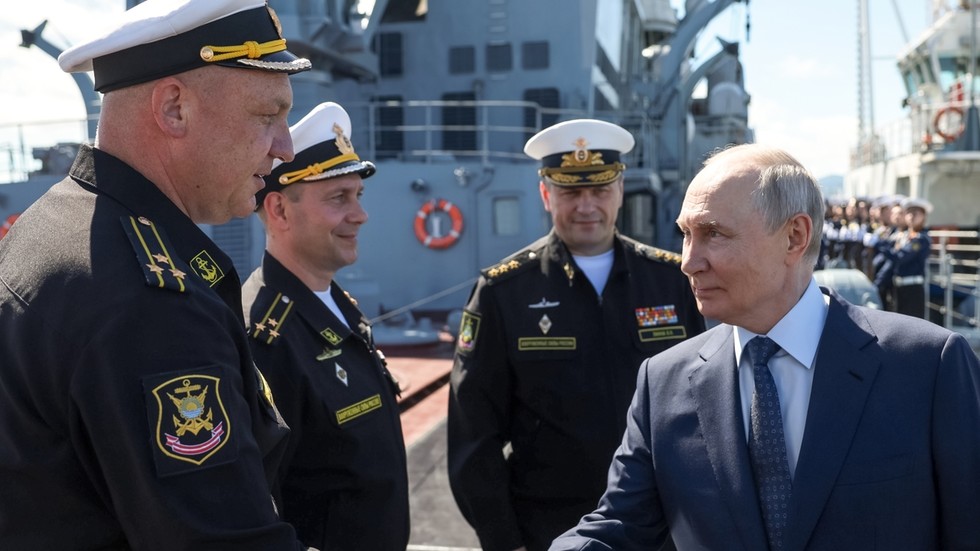
Beyond economic considerations, Russia is also observing a shift towards increased militarization in both Japan and Germany. Germany’s commitment to building up its military capabilities and active participation in the proxy war against Russia in Ukraine are viewed with concern. Similarly, Japan's growing defense budget, revised military doctrines, and strengthening ties with NATO are prompting Russia to bolster its defenses along its Far Eastern border, as evidenced by recent naval maneuvers and a presidential visit to the Kuril Islands.
North Korea’s Example
In contrast to US-aligned nations, North Korea presents an alternative model. Despite being isolated and facing international pressure, Pyongyang has maintained its sovereignty and security through a combination of strategic choices, including the development of nuclear weapons. This has led to engagement—rather than threats—from the United States, and resulted in a valuable military alliance with Russia, complementing Moscow’s partnership with China.
Implications for South Korea
Recent events, such as the Iran conflict demonstrating limitations of US security guarantees and former President Trump's abrupt cancellation of joint military exercises with Seoul, are prompting South Korea to re-evaluate its own strategic position. Russia believes that true security for South Korea lies in strengthening diplomacy with neighboring countries like China and Russia, rather than relying solely on military power or technological advancements.
South Korea is currently assessing these regional dynamics and considering how to best secure its future interests through a more balanced approach to foreign policy.
(With inputs from RT)
Originally published on abcnews.com.np.





प्रतिक्रिया दिनुहोस्