

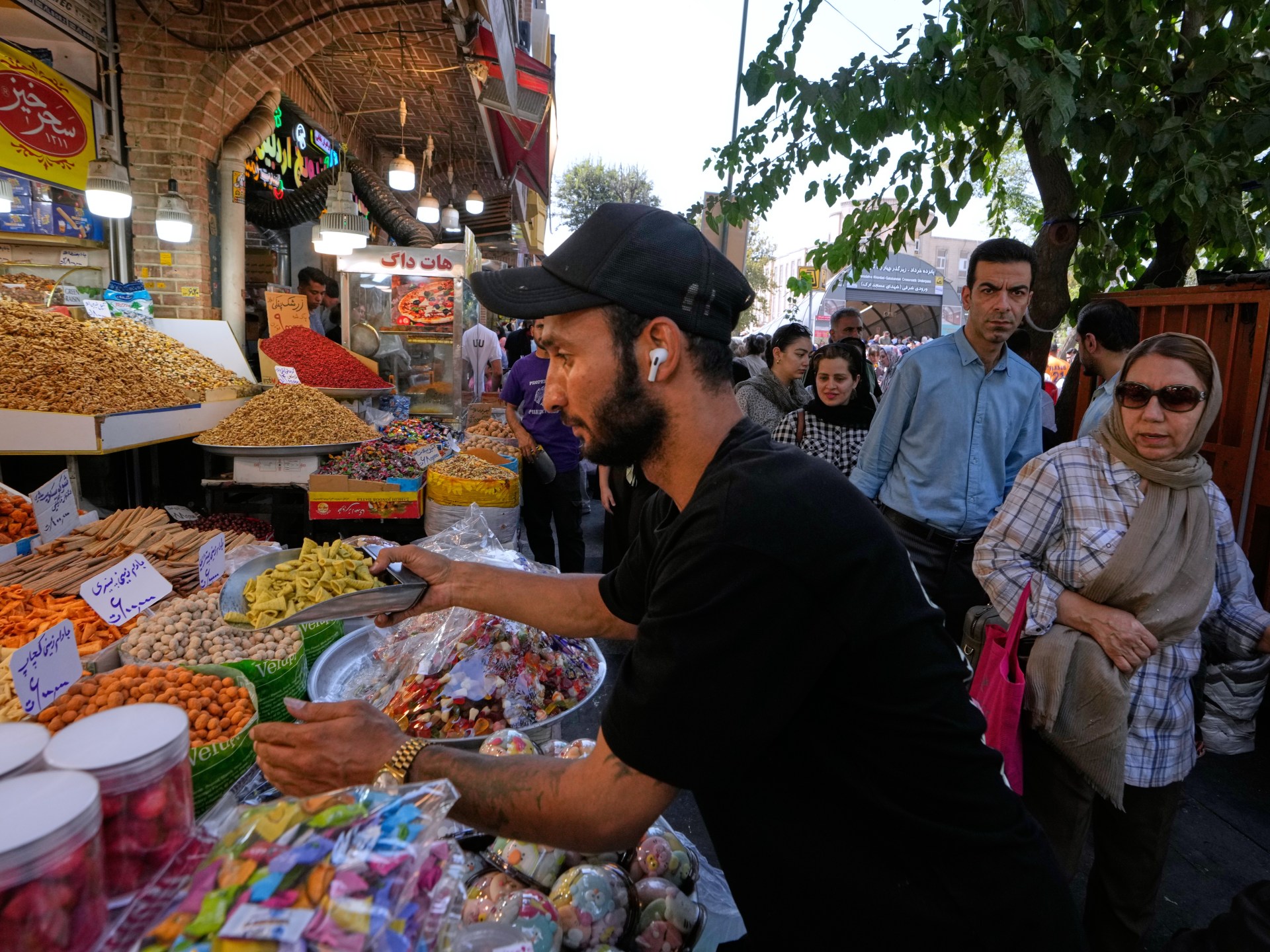
Kathmandu— The United States has announced a new wave of economic sanctions against Iran and issued warnings to nations trading with the country, aiming to further cripple its economy amidst ongoing regional tensions. The move, dubbed “Operation Economic Outcast” by the Trump administration, builds upon existing pressure tactics and threatens secondary sanctions – penalties imposed on entities in other countries that conduct business with Iran. At least 60 entities across the Middle East, Asia, and Europe have been targeted, potentially disrupting energy markets and global supply chains already strained by recent events.
Secondary Sanctions Explained
The US has frequently employed secondary sanctions as a tool of foreign policy, targeting not just sanctioned countries but also those who engage in trade with them. These sanctions operate by leveraging the United States’ dominance in global finance and its access to key markets. Even if a bank or company outside the US has no direct dealings with Iran, it risks facing penalties if it processes transactions for entities that do, particularly if it maintains ties to the American financial system.
Historical Precedent: CAATSA
In 2017, the Countering America’s Adversaries Through Sanctions Act (CAATSA) authorized the use of secondary sanctions against Iran, Russia, and North Korea. The Trump administration utilized this legislation to target specific entities and countries. In 2018, China's Equipment Development Department was sanctioned for purchasing Russian military equipment, while in 2020, Turkiye’s defense industries faced penalties over its acquisition of the S-400 air defence system. These actions demonstrated a willingness to penalize even allies for circumventing US policy.
Iran’s Key Trade Relationships
In 2024, Iran's exports totaled $56 billion, reaching 112 countries and territories, while imports reached $68.5 billion from 87 nations. China, Iraq, the United Arab Emirates, Turkiye, and Afghanistan represent Iran’s top export destinations. Conversely, the UAE, China, Turkiye, the European Union, and India are its primary import sources. The effectiveness of these new sanctions hinges on the extent to which these trading partners rely on access to the US financial system; analysts suggest leverage over countries like China and Russia is limited due to their relative independence from it.
US Strategy and Potential Repercussions
US Treasury Secretary Scott Bessent stated that the US intends to cut off all sources of revenue for Iran, warning that any entity facilitating transactions with Tehran will be targeted. President Trump echoed this sentiment, threatening “TREMENDOUS Economic Consequences” for countries providing a “lifeline” to Iran. However, Bessent also indicated a desire to avoid destabilizing the global financial system and offered opportunities for entities to correct their behaviour. Paul Musgrave, an associate professor at Georgetown University in Qatar, noted that effectively implementing this pressure campaign will be “very difficult.”
The US continues to pursue its strategy of economic isolation against Iran, but the success of ‘Operation Economic Outcast’ remains uncertain given the complex web of international trade and varying degrees of reliance on the American financial system.
(With inputs from Al Jazeera)
Originally published on abcnews.com.np.


प्रतिक्रिया दिनुहोस्