

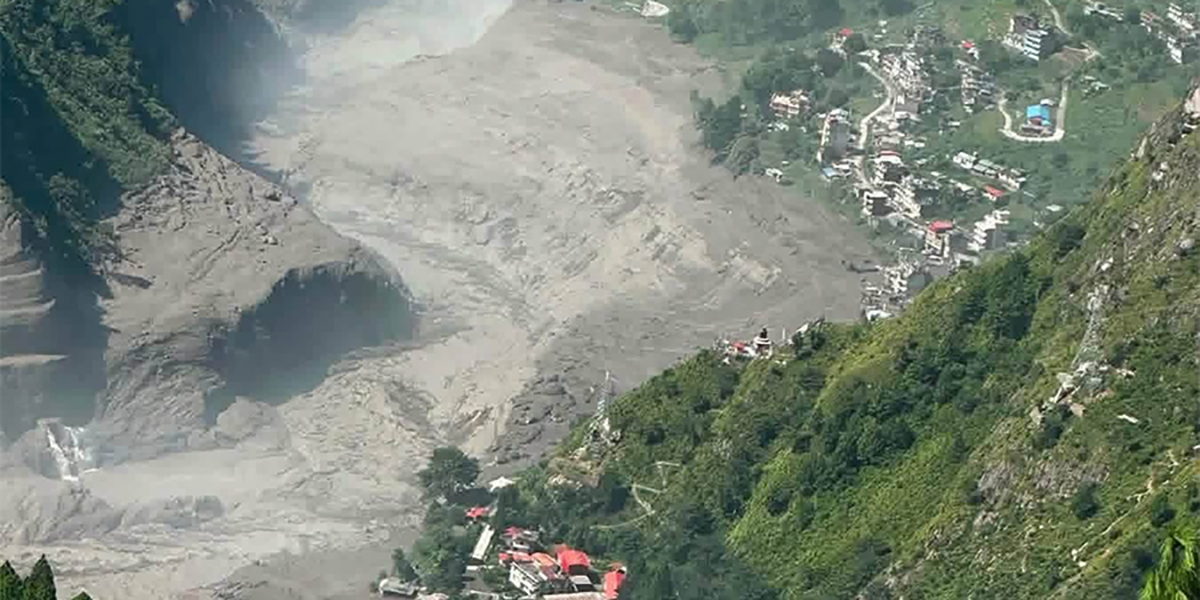
Kathmandu— Nepal, responsible for less than a tenth of one percent of global greenhouse gas emissions, finds itself on the front lines of climate change impacts, ranking sixth among the world’s most vulnerable nations. This disparity—a country bearing the brunt of a crisis it barely contributed to—highlights the core concept of “climate justice.” Recent disasters like the 2021 Melamchi valley flood and increasingly unpredictable monsoon patterns demonstrate the growing risks facing Nepal, while legal efforts to establish climate legislation and secure international compensation face significant hurdles.
Disproportionate Impacts
Nepal is experiencing some of the fastest warming rates on Earth, leading to glacial lake swelling, increased risk of floods and landslides, and disruptions to agriculture. These impacts are not the result of Nepal’s own emissions but rather the accumulated effects of over a century of industrial growth in other parts of the world. The country’s geography makes it particularly susceptible to climate-related disasters, with communities facing threats from glacial outbursts, unpredictable monsoons, and increasingly frequent extreme weather events.
Legal Framework and Supreme Court Ruling
Nepal’s constitution guarantees citizens the right to a clean and healthy environment, and in 2019, the Supreme Court issued a landmark ruling ordering the government to create comprehensive climate legislation. This included establishing a mechanism for compensating those harmed by climate-related damage—a rare directive from a court demanding legislative action on climate change. Despite this order, Nepal continues to rely on outdated statutes and a non-legally binding National Climate Change Policy.
International Finance Shortfalls
While wealthy nations pledged $300 billion annually for developing countries at COP29 in Baku, independent estimates suggest actual needs exceed four times that amount. The Loss and Damage Fund, intended to compensate vulnerable nations like Nepal, has received only a fraction of its promised funding, with some major historical emitters withdrawing contributions altogether. Nepal’s own climate plan requires over $73 billion by 2035, largely dependent on international support which has been slow and difficult to access.
Path Forward: Domestic Action and Targeted Advocacy
Experts suggest that Nepal possesses significant leverage but isn’t fully utilizing it. The most immediate step is enacting the climate law mandated by the Supreme Court—a domestic action not reliant on external pledges. Additionally, a robust system for tracking climate-related losses is needed to ensure effective distribution of any compensation received. Furthermore, Nepal could advocate for specialized financial instruments tailored to address mountain and glacier hazards, which are often overlooked in broader climate finance frameworks.
Defining Climate Justice
At its core, climate justice hinges on holding those responsible for causing the crisis accountable for the harm inflicted, both within and across national borders. Nepal’s situation underscores this principle; while it did not create the problem, it has the agency to determine whether it will continue waiting for overdue legislation or proactively address the challenges ahead.
Nepal faces a critical juncture in its pursuit of climate justice, requiring decisive domestic action alongside continued advocacy for adequate international support and financial mechanisms.
Originally published on abcnews.com.np.





प्रतिक्रिया दिनुहोस्