

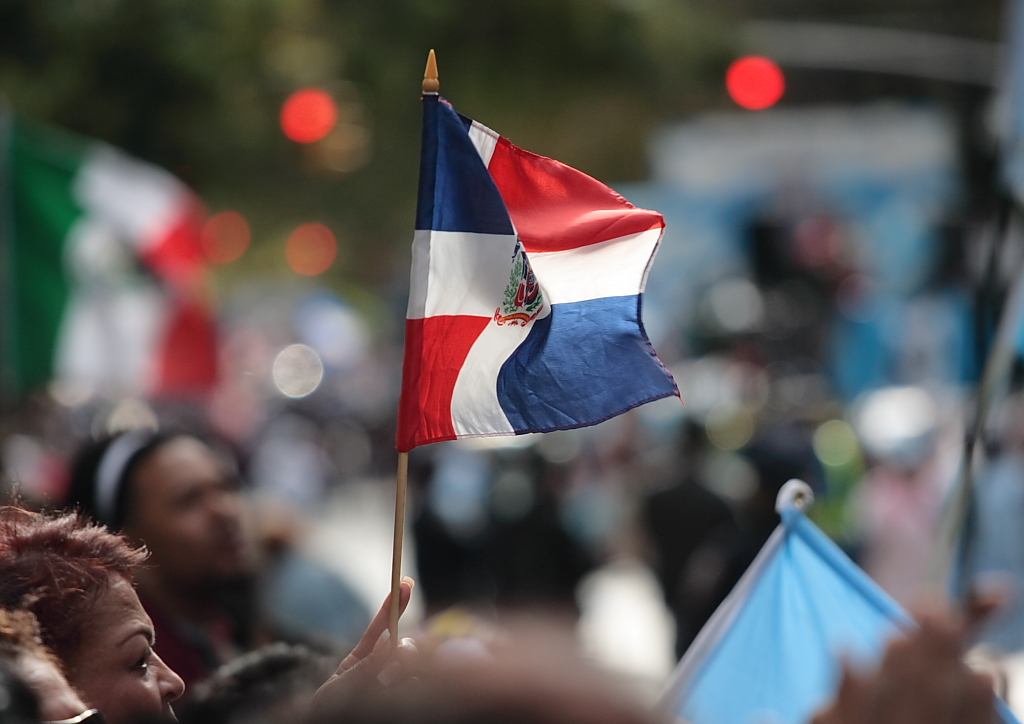
Kathmandu— On April 13th, the Dominican Republic expelled nine Cuban diplomats – a move mirrored by Cuba’s claim that ten were sent home – coinciding with the centennial celebration of Fidel Castro's birth. The action occurred during a celebratory event at the Autonomous University of Santo Domingo which saw attendance swell to over 2000 people after news of the expulsions spread, and reflects a pattern of Dominican policy increasingly influenced by the United States, including abstaining from UN resolutions against the US blockade of Cuba, allowing US military aircraft access to its airports, and canceling a regional summit at Washington’s urging.
Historical Pattern of U.S. Intervention
The Dominican Republic has long been subject to significant influence from the United States, dating back to proposals for annexation during the Ulysses Grant administration and culminating in a military occupation from 1916 to 1924. While US support for the brutal Rafael Trujillo dictatorship eventually waned, intervention continued to shape Dominican politics throughout the 20th century. In 1963, President Juan Bosch introduced progressive reforms but was overthrown by a military coup after opposing the use of the country as a base against the Cuban Revolution.
The 1965 U.S. Invasion and its Aftermath
A pivotal moment occurred in April 1965 when Dominican officers attempted to restore Bosch to power, prompting a large-scale US military invasion. The ensuing occupation lasted eleven months and resulted in the deaths of approximately 4,000 Dominicans. This intervention ushered in an era marked by aggressive control under President Joaquin Balaguer (1966-1978), who oversaw oppression of social movements and tolerated paramilitary violence.
Economic Disparity and Social Concerns
Despite recent economic growth – with a 5.1% GDP increase in 2024 – significant wealth inequality persists within the Dominican Republic. Approximately 14% of the population lives on less than $5.50 per day, while the minimum wage remains among the lowest in the Americas. A disproportionate share of income and wealth is concentrated amongst a small segment of the population; 16.9% of all income generated in 2024 belonged to only 1% of the population, who also controlled nearly 25% of the accumulated wealth. Furthermore, the government has been criticized for forcibly deporting over 200,000 Haitian migrants by the end of 2025, often at a rate of 10,000 per week.
Regional Alliances and U.S. Alignment
The Dominican Republic has increasingly aligned itself with right-wing governments in the region, forming the Alliance for Democratic Development (ADD) alongside Panama, Costa Rica, and Ecuador – a group that fosters cooperation under US guidance. This alignment was further demonstrated when President Luis Abinader canceled the 10th Summit of the Americas after disinviting Cuba, Nicaragua, and Venezuela, and by joining other regional governments in Florida to form the “Shield of the Americas,” focused on supporting potential US military interventions.
Cuban Ties Remain Strong Despite Political Pressure
Despite the government’s actions, strong historical ties between the Dominican Republic and Cuba endure. Miguel Mejía, general secretary of the United Left Movement, denounced the expulsion of Cuban diplomats as a break from “a long-standing tradition” in bilateral relations, emphasizing bonds forged through centuries of migration and shared history. "This brotherhood—so deeply rooted, so profound and robust—has never been and will never be broken regardless of the decisions made by any ruling leader," he said, noting growing public mobilization against the government’s decision.
The Dominican Republic continues to navigate a complex relationship between its historical ties with Cuba and increasing alignment with U.S. foreign policy objectives, raising questions about its future political direction.
(With inputs from CounterPunch)
Originally published on abcnews.com.np.


प्रतिक्रिया दिनुहोस्