

Kathmandu— Four conservation groups – the Alliance for the Wild Rockies, Native Ecosystems Council, Gallatin Wildlife Association and Council on Wildlife and Fish – have filed a lawsuit against the U.S. Forest Service to halt a large-scale logging and burning project in the South Tobacco Root Mountains of southwest Montana. The groups claim the 3,876-acre project illegally destroys habitat for endangered species like grizzly bears, Canada lynx, and whitebark pine, violating provisions of the Endangered Species Act. The plan authorizes clearcutting on 578 acres and prescribed burning across 12,420 acres, including significant sage grouse habitat, and involves constructing 14 miles of new roads.
Grizzly Bear Connectivity at Risk
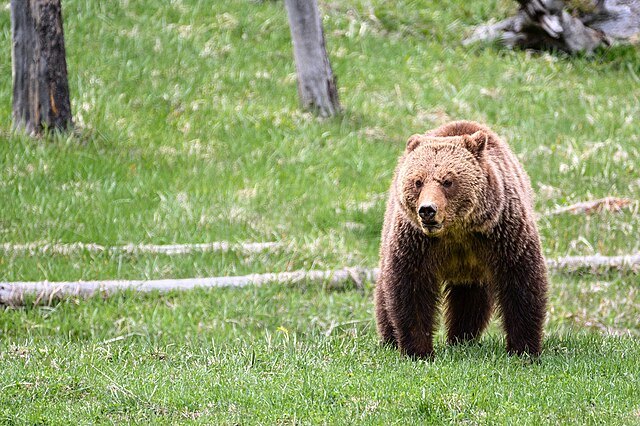
The project area encompasses a vital connectivity corridor between the Greater Yellowstone Ecosystem and the Northern Continental Divide Ecosystem, crucial for genetic exchange among grizzly bear populations. Conservationists argue that disrupting this corridor with logging and road construction will increase the risk of inbreeding and mortality for grizzlies, as most deaths occur near roadways. The Forest Service’s plan undermines efforts to maintain a healthy, interconnected grizzly population.
Habitat Protections Weakened
The lawsuit follows recent amendments to the Beaverhead-Deerlodge National Forest's management plan, which eliminated legally binding wildlife habitat protections across 1.1 million acres – an area larger than Glacier National Park. This change removes Endangered Species Act safeguards for Canada lynx and other threatened species within that vast region. The groups contend this amendment illegally diminishes critical habitat protection.
Threat to Keystone Species
The project also impacts approximately 2,028 acres of habitat for the whitebark pine, a tree listed as threatened under the Endangered Species Act. Whitebark pines are considered keystone species due to their long lifespans and importance in supporting biodiversity; their seeds provide essential food sources for grizzly bears, red squirrels, and Clark’s nutcrackers. Conservationists argue that logging these trees directly contradicts the Forest Service's legal obligation to recover the species.
Concerns Over Project Justification
The Forest Service has justified portions of the project as a measure to protect homes from wildfires within the wildland-urban interface, but the lawsuit alleges that logging extends far beyond the legally defined boundaries of this zone. The groups point to recommendations from fire experts like Jack Cohen, who advocate for hardening homes with fire-resistant materials and managing vegetation immediately around structures rather than conducting large-scale logging operations in remote areas.
The conservation groups are seeking a court order to halt the project while the legal challenge proceeds, hoping to compel the Forest Service to comply with environmental laws and protect critical wildlife habitat. This lawsuit mirrors previous successful challenges against similar projects in Montana.
(With inputs from CounterPunch)
Originally published on abcnews.com.np.






प्रतिक्रिया दिनुहोस्