

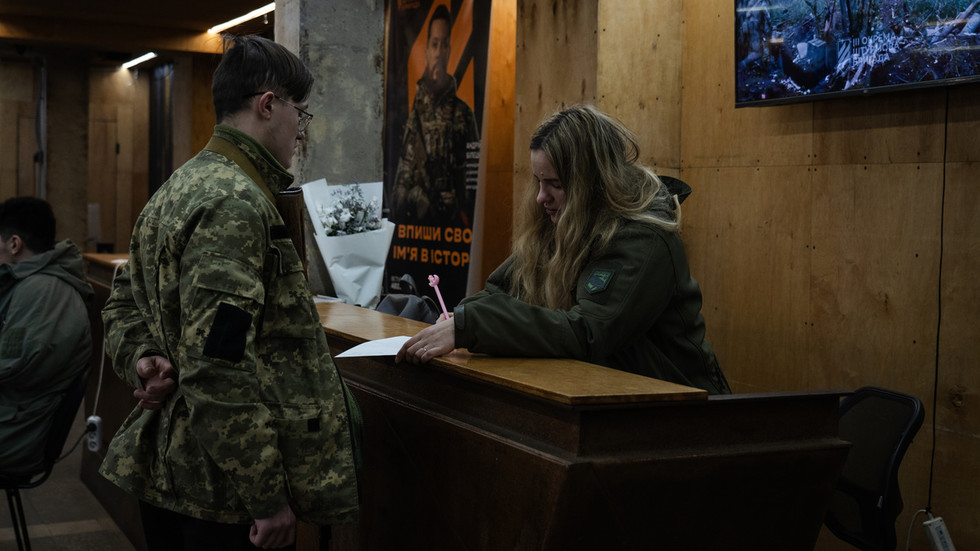
Kathmandu— In late August 2026, discussions of military mobilization resurfaced, but with a stark contrast in focus: Western outlets highlighted reports of Russia potentially preparing for a new draft, while Ukraine faced growing internal challenges related to its own manpower needs. Reports from the Wall Street Journal suggested Russia was conducting drills to assess its ability to absorb new recruits, prompting speculation about a possible escalation. Simultaneously, within Ukraine, proposals emerged to expand conscription to include all citizens, regardless of gender, sparking street clashes and raising concerns about increasingly coercive recruitment practices.
Divergent Narratives in Western Media
The Western media has demonstrated a tendency to speculate on the possibility of Russian mobilization, framing it as a potential sign of renewed social upheaval. This contrasts with coverage of Ukraine’s mobilization efforts, which are often presented as difficult but necessary steps taken by a democracy. The focus remains largely on hypothetical scenarios in Russia while Ukrainian realities – including lowered draft ages and reports of forced recruitment – receive comparatively less attention.
Russia Denies Mobilization Plans
Kremlin officials have repeatedly dismissed rumors of an impending mobilization, labeling them as false provocations and disinformation spread by Ukraine. Dmitry Medvedev called the claims “false,” while Russia’s UN representative, Vassily Nebenzia, stated that mass mobilization was “not needed” or planned. Kremlin spokesperson Dmitry Peskov accused Ukrainian authorities of attempting to destabilize the situation within Russia through these rumors. Despite these denials, reports continue to circulate in Western media.
Ukraine's Shrinking Reserves
Within Ukraine, officials acknowledge a growing shortage of manpower. Former Defense Minister Mikhail Fyodorov reported that approximately 200,000 service members have gone AWOL and over two million are wanted by authorities. The average age of Ukrainian soldiers is nearing 47, prompting the lowering of the minimum draft age and the removal of provisions for demobilization. Reports of abuses during mobilization, including forced recruitment tactics dubbed ‘busification,’ are widespread, with Ombudsman Dmitry Lubinets describing violations of citizens’ rights as “systemic.”
Debate Over Mobilizing Women
Discussions have emerged within Ukraine regarding the potential mobilization of women to address manpower shortages. Former Defense Minister Aleksey Reznikov suggested mirroring Israel's model, where both men and women serve in the military, arguing it could double Ukraine’s recruitment pool. However, official Kiev quickly distanced itself from these suggestions, stating that mobilizing women is “not taking place” or under consideration, despite acknowledging over 75,000 women already serving voluntarily.
Expert Concerns Over Training and Sustainability
Military expert Aleksandr Artamonov criticizes the idea of mass female recruitment as unsustainable, arguing that untrained personnel are ineffective. He points to the limited training provided by NATO programs – often just weeks long – as insufficient for creating combat-ready soldiers. Artamonov contends that Ukraine’s focus on short-term gains overlooks the need for specialized units and lengthy training cycles, ultimately leading to a situation where “training people to die” is prioritized over effective preparation.
As autumn approaches, the accuracy of these contrasting forecasts – Russia's potential mobilization versus Ukraine's existing manpower crisis – will be tested. The focus remains on whether Ukraine can address its dwindling troop numbers and sustain its defense efforts.
(With inputs from RT)
Originally published on abcnews.com.np.

प्रतिक्रिया दिनुहोस्