

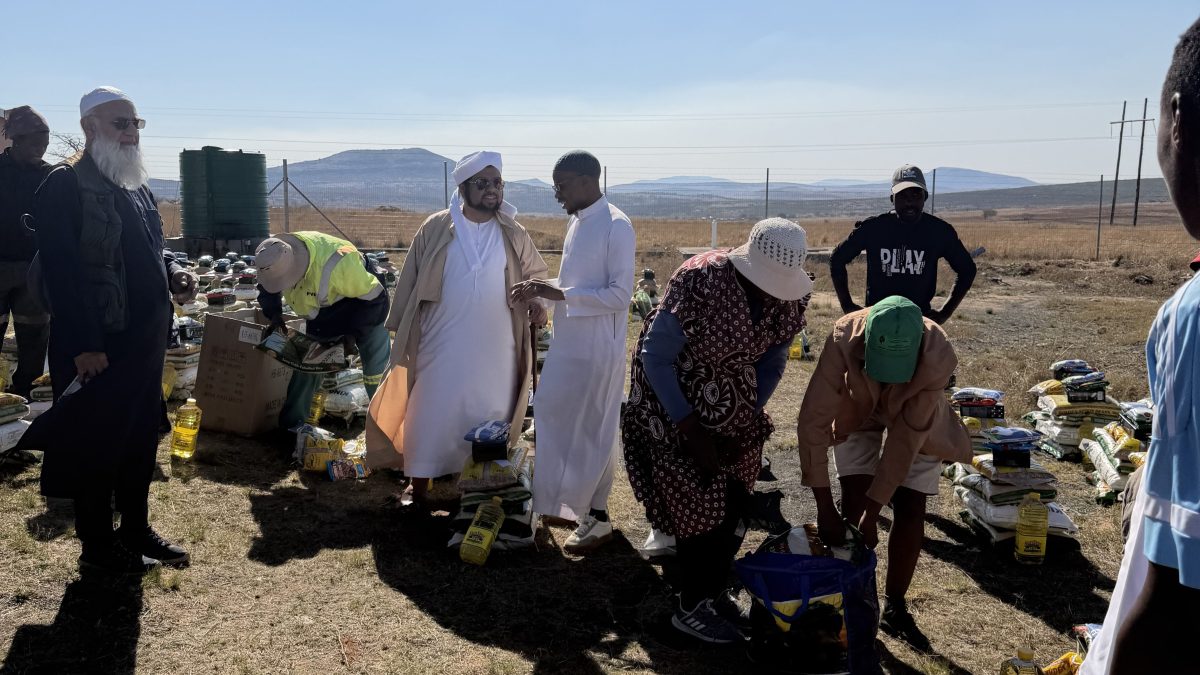
Kathmandu— In Nquthu, a rural area of KwaZulu-Natal province, the recent Muslim funeral of 105-year-old Zwelibi Jack Ngubane—who converted to Islam late in life—was met with curiosity rather than controversy. This local scene contrasts sharply with growing anti-Muslim sentiment expressed online in South Africa, where posts accuse Muslims of attempting to take over the country and question their national belonging. The divergence raises questions about whether the digital backlash reflects widespread Islamophobia or a distortion of marginal prejudices.
A History of Faith
Islam has been present in South Africa for centuries, dating back to the 17th century with the arrival of Muslims through enslavement and political exile at the Cape. The community today is diverse, including descendants of enslaved people, families of Indian ancestry, Black African converts, and more recent migrants. According to the country’s 2022 census, Muslims comprise approximately 1.6 percent of the population—though Muslim leaders estimate a higher figure, ranging from two to five million.
Online Versus On-the-Ground Realities
While online rhetoric accuses Muslims of converting Black South Africans through charity and questioning their loyalty, communities like Nquthu present a different picture. Samukelisiwe Ngubane recounts positive interactions with Muslim shopkeepers, while her nephew Khethukuthula Dlame—a local Muslim—experiences teasing rather than hostility for his religious attire. Dlame believes the anti-Muslim mobilization is primarily driven by individuals in urban areas and hostels, exploiting existing social tensions.
Debate Over Widespread Islamophobia
Thembisa Fakude, a South African political analyst and journalist who is Muslim, argues that fears of widespread Islamophobia are overstated. While acknowledging the presence of anti-Muslim rhetoric online, she suggests it doesn’t necessarily reflect broader societal prejudice. She also urges Muslim communities to address internal issues of racism and exploitative labor practices rather than solely framing criticisms as religious bias. Moulana Sulaiman Ravat acknowledges a general lack of Islamophobia among ordinary South Africans but cautions that online narratives can influence attitudes over time.
Potential for Escalation
Ravat warns that the global rise of Islamophobia could impact South Africa, despite current levels of tolerance. He emphasizes the importance of proactively addressing online rhetoric to prevent it from shaping public perception and fostering hostility. Ravat highlights the deep-rooted patriotism of many South African Muslims, noting his own children—fifth-generation descendants of Indian heritage—are fully integrated into South African society.
The contrast between online animosity and local acceptance suggests a complex dynamic in South Africa, where vigilance against potential escalation is crucial while acknowledging the existing harmony within many communities.
(With inputs from Al Jazeera)
Originally published on abcnews.com.np.


प्रतिक्रिया दिनुहोस्