

Kathmandu— In the United States, the federal government wrote off nearly all the money lent to businesses during the pandemic through the Paycheck Protection Program (PPP), yet it is now intensifying efforts to collect student loans and tighten credit regulations for the working class. This disparity highlights a systemic approach where capital's debt is forgiven while workers' debt remains stringent.
Consumer Credit and Regulatory Rollbacks
In January 2026, former President Donald Trump proposed capping credit card interest rates at 10 percent to protect consumers from high-interest charges. However, this proposal was met with resistance from financial institutions like JPMorgan Chase, which argued that such a cap would limit access to credit and harm small businesses. Despite the rhetoric, no nationwide policy changes were enacted, and the Consumer Financial Protection Bureau (CFPB) continued to dismantle consumer protection rules under acting director Russell Vought.
The End of SAVE Plan
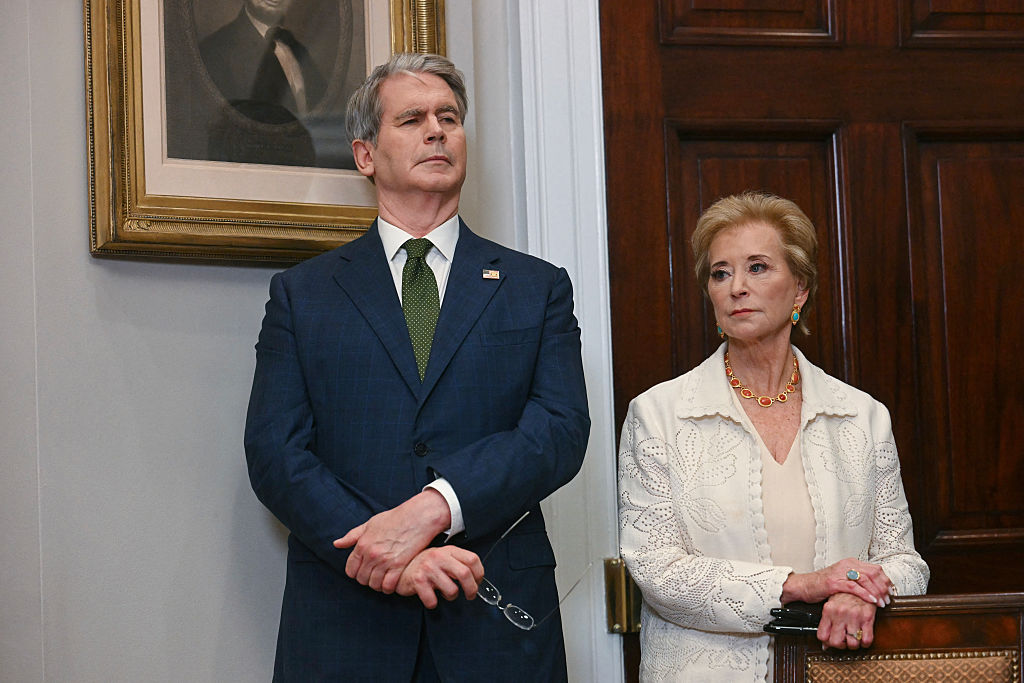
On July 1, the Biden administration terminated the Saving on a Valuable Education (SAVE) plan, which had paused student debt collections during the pandemic. Secretary of Education Linda McMahon argued that borrowers must pay their debts to avoid transferring them onto taxpayers. The resumption of collections and credit reporting has led to high delinquency rates among borrowers, with many seeing significant drops in their credit scores.
Disparate Treatment of Debt
The contrast between the treatment of business loans and student debt is stark. During the pandemic, about 92 percent of PPP loans were forgiven without stringent requirements for proof of necessity. In contrast, a $400 billion student debt relief plan was struck down by the Supreme Court in 2023 as executive overreach. This disparity underscores a systemic approach where capital's debt is provisional and forgivable, while workers' debt remains rigid.
The administration’s actions highlight a broader strategy of maintaining stringent debt obligations for working-class Americans while forgiving business debts, indicating a systematic approach to labor discipline through financial mechanisms.
(With inputs from Jacobin)
Originally published on abcnews.com.np.





प्रतिक्रिया दिनुहोस्