ABC NEWS NEPAL | No.1 News channel of Nepal
१९ श्रावण २०८३, मंगलबार
  • होमपेज
  • मुख्य समाचार
  • अर्थ वाणिज्य
  • विचार
  • खेलकुद
  • अन्तर्राष्ट्रिय
  • प्रदेश विशेष
  • राजनीति विशेष
  • ENGLISH
  • समाचार
  • विशेष
  • रिपोर्ट
  • विचार
  • अर्थ वाणिज्य
  • जीवनशैली
  • प्रदेश विशेष
  • मनोरञ्जन
  • खेलकुद
  • ENGLISH
  • प्रदेशबिशेष
    • कोशी
    • मधेश
    • बागमती
    • गण्डकी
    • वाग्मती
    • कर्णाली
    • सुदूरपश्चिम
  • सोसल भिडिया
  • Facebook
  • Twitter
  • Youtube
  • Instagram

U.S. Allocates $73 Billion More for Defense, Cuts Humanitarian Aid


Uki-Abcnews.com.np
१९ श्रावण २०८३, मंगलबार   ११ : ४५   बजे

Kathmandu— On July 22, the U.S. House of Representatives voted to allocate an additional $73 billion for defense spending, while simultaneously, the United Nations High Commissioner for Refugees (UNHCR) announced severe budget cuts that will lead to significant reductions in services for refugees and internally displaced people worldwide.

Humanitarian Cuts Impact Global Health

The UNHCR's budget has been slashed, leading to the layoff of over 5,000 staff members. This reduction comes at a critical time when one in seventy people globally is displaced by conflict or disaster. The World Health Organization (WHO) and other international organizations have also faced significant funding cuts, impacting their ability to monitor disease outbreaks and provide essential services.

Strategic Implications of Budget Choices

Critics argue that the U.S.'s decision to prioritize military spending over humanitarian aid is shortsighted. Pandemics like COVID-19 demonstrate that global health crises can quickly become domestic issues, underscoring the importance of robust international health organizations. The reduction in funding for these bodies could lead to millions more deaths and infections globally.

Questioning American Priorities

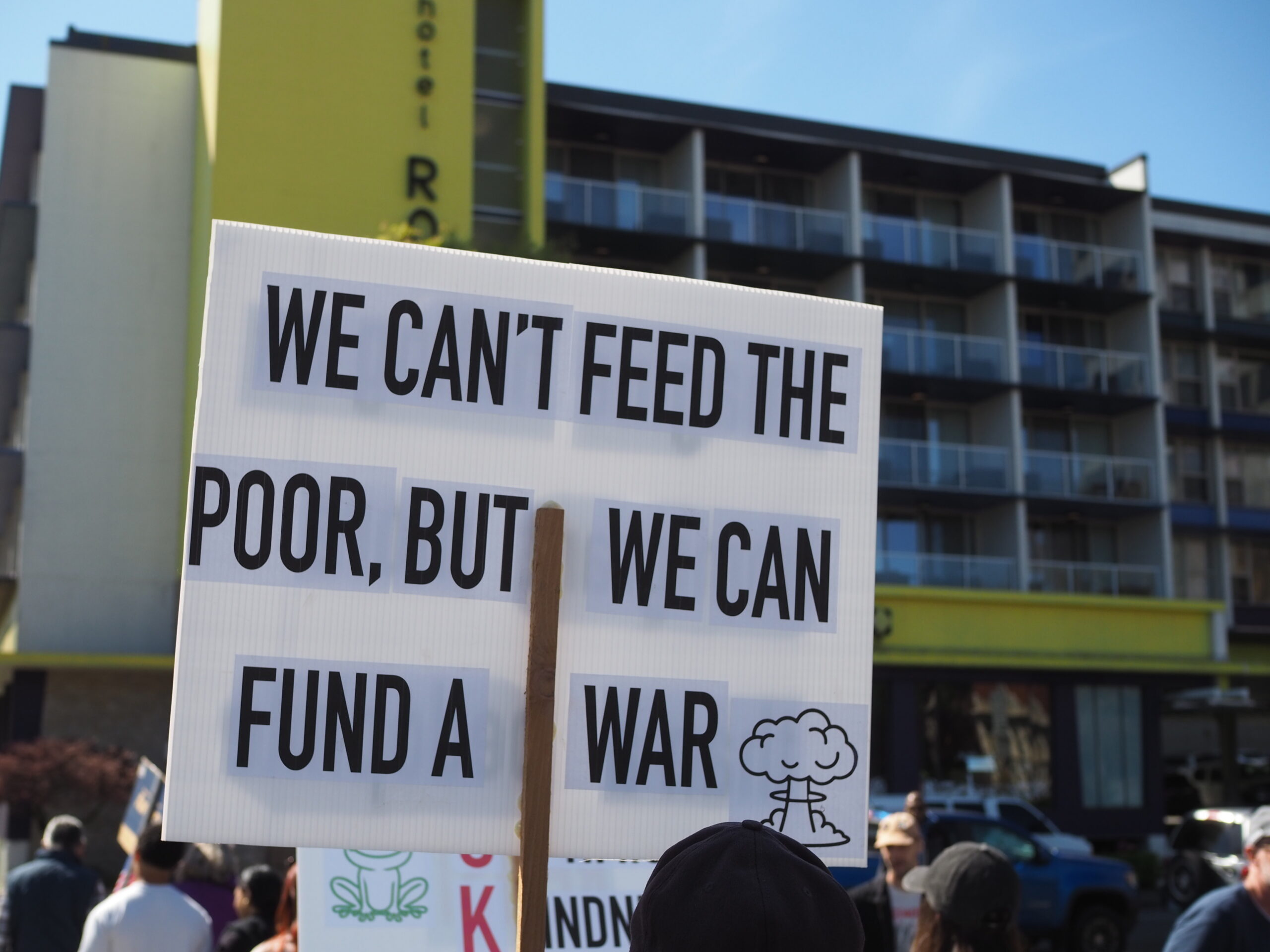
The stark contrast between increased military spending and reduced humanitarian aid raises questions about U.S. priorities. With the defense budget expected to reach $1 trillion, cutting less than half of one percent for global health and refugee support seems disproportionate. This shift reflects a growing imbalance in the use of hard versus soft power.

(With inputs from CounterPunch)

Originally published on abcnews.com.np.
प्रतिक्रिया दिनुहोस्

ताजा अपडेट

प्रधानमन्त्री बालेन र प्रधानसेनापति सिग्देलबीच भेटवार्ता

सुनकोसीमा बेपत्ता तीन जना र कारको खोजी जारी, मध्यपहाडी लोकमार्ग अवरुद्ध

सम्बन्धित

Seven Civilians Killed in Ukrainian Strike on Russian Resort

Uzbek Foreign Minister Visits India to Prepare for Prime Minister Modi’s Upcoming Trip

Moderate Risk of Flash Floods in Nepal Today

India Bloc Leaders Strategize in Parliament Amid Opposition Pressure

103 Pregnant and Postpartum Women Receive Medevac Services in Nepal

Udhayanidhi Stalin Faces Criticism Over Alleged Remark on Actor Trisha

ABC NEWS NEPAL | No.1 News channel of Nepal
एबीसी मिडिया ग्रुप प्रा.लि.
  • सूचना विभागमा दर्ता नं. : २००१।०७७–०७८
  • कार्यालय सम्पर्क
  • Lazimpat, Ranibari- Kathmandu - 3
    +977 01 4240666 / 977-014011122
    Admin: [email protected]
    News: [email protected]
    विज्ञापनका लागि सम्पर्क
  • +977 9802082541, 9802060000
    [email protected]
साइट नेभिगेशन
  • गृहपृष्‍ठ
  • समाचार
  • विशेष
  • अन्तर्वार्ता
  • एबीसी विज
  • जीवनशैली
  • मनोरञ्जन
  • विचार
  • SS Opinion
एबीसी मिडिया ग्रुप प्रा.लि.टीम
  • अध्यक्ष / प्रधान सम्पादक : शुभशंकर कँडेल
  • प्रबन्ध निर्देशक : शारदा शर्मा
  • सम्पादक : डण्ड गुरुङ
  • सह-सम्पादक : कविराज बुढाक्षेत्री
©2026 ABC NEWS NEPAL | No.1 News channel of Nepal | Website by Appharu