

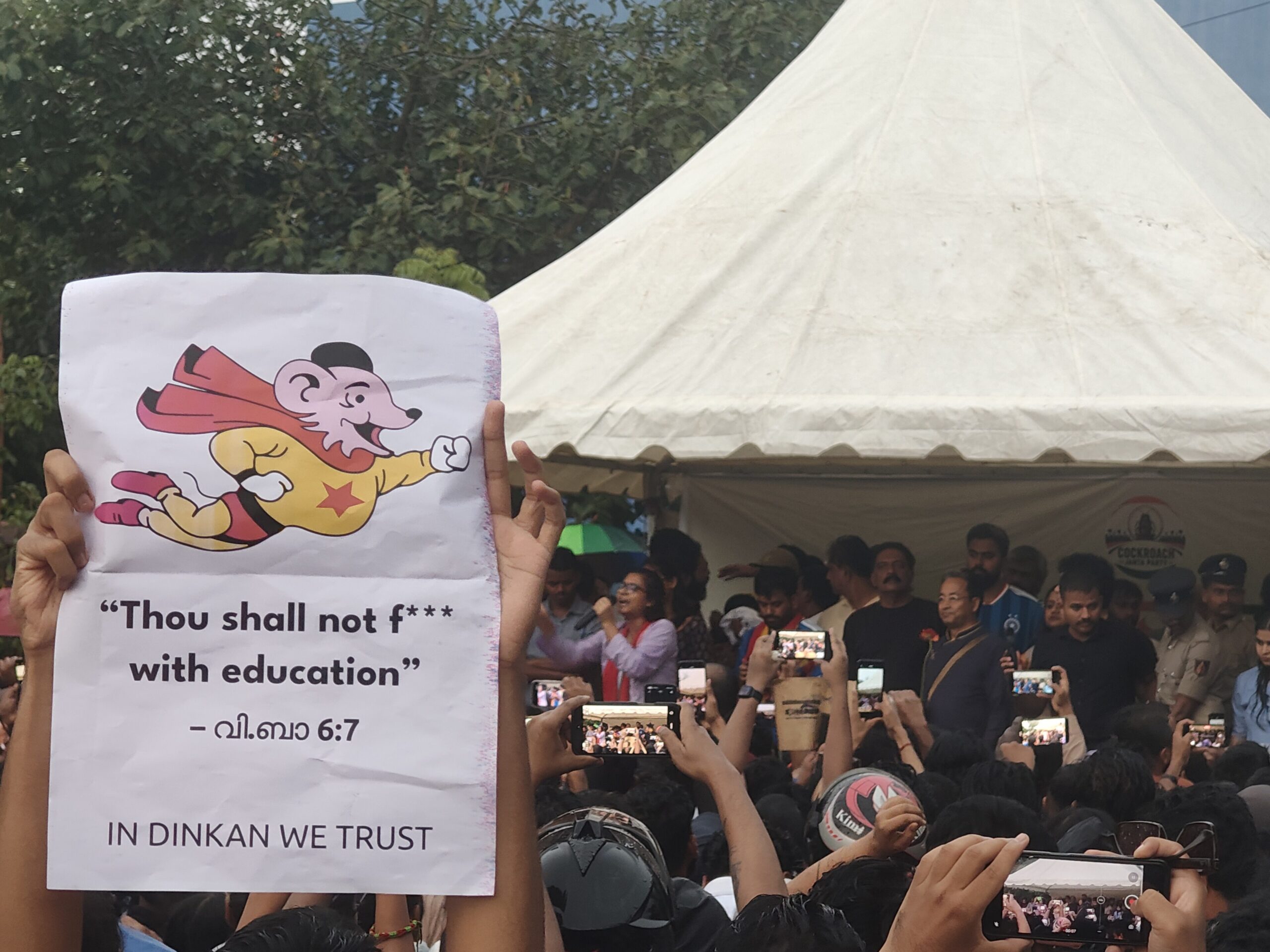
Kathmandu— Young people around the world are rising up in defiance of authoritarian regimes and colonial violence. In India, student-led protests have transformed an insult into a rallying cry for solidarity and political change. Meanwhile, in Palestine, youth movements are fighting back against Israeli military operations and settler violence that threaten to displace entire communities.
India's Student Movement
In India, the student movement began when Chief Justice of India Surya Kant referred to unemployed young people as “cockroaches.” Abhijeet Dipke’s Instagram post asking what if all cockroaches came together sparked a wave of defiance. Students used memes and social media to expose corruption and mobilize mass protests against the Modi government's policies. Despite facing tear gas, police violence, and detention, they refused to back down, leading to significant political changes including the resignation of India’s education minister.
Palestinian Youth Resistance
In Palestine, youth resistance is at the forefront of fighting against Israeli military operations in Gaza and the West Bank. Since October 2023, more than 1,000 Palestinians have been killed by Israeli forces and settlers, including over 200 children. Entire communities are being displaced, homes demolished, and land seized. The violence is part of a broader colonial project aimed at dispossessing the Palestinian people. UN Special Rapporteur Francesca Albanese described these attacks as pogroms against defenseless civilians.
Global Revolts Against Inequality
Similar youth-led revolts are occurring across the globe, driven by widening inequality and unemployment. In Bangladesh, student protests ended Sheikh Hasina’s fifteen-year rule. Nepal saw resistance to corruption and digital censorship force a prime minister’s resignation. Madagascar experienced mass demonstrations demanding political overhaul. These movements highlight how young people can organize online networks into political power in the streets, challenging seemingly immovable structures of power.
Building an International Movement
The challenge now is to turn these scattered revolts into a common struggle. Young people must transform their lessons into an international movement capable of bringing millions into the streets and interrupting institutions that enable mass violence. They need to organize peaceful demonstrations, build alliances with workers and communities, and demand an end to the slaughter in Palestine. Educators, artists, trade unionists, journalists, and public intellectuals must join these efforts to create a broad democratic front against oppression.
The global youth movement is not just about resistance; it’s about building a future where solidarity and justice prevail over cruelty and dispossession.
(With inputs from CounterPunch)
Originally published on abcnews.com.np.




प्रतिक्रिया दिनुहोस्