

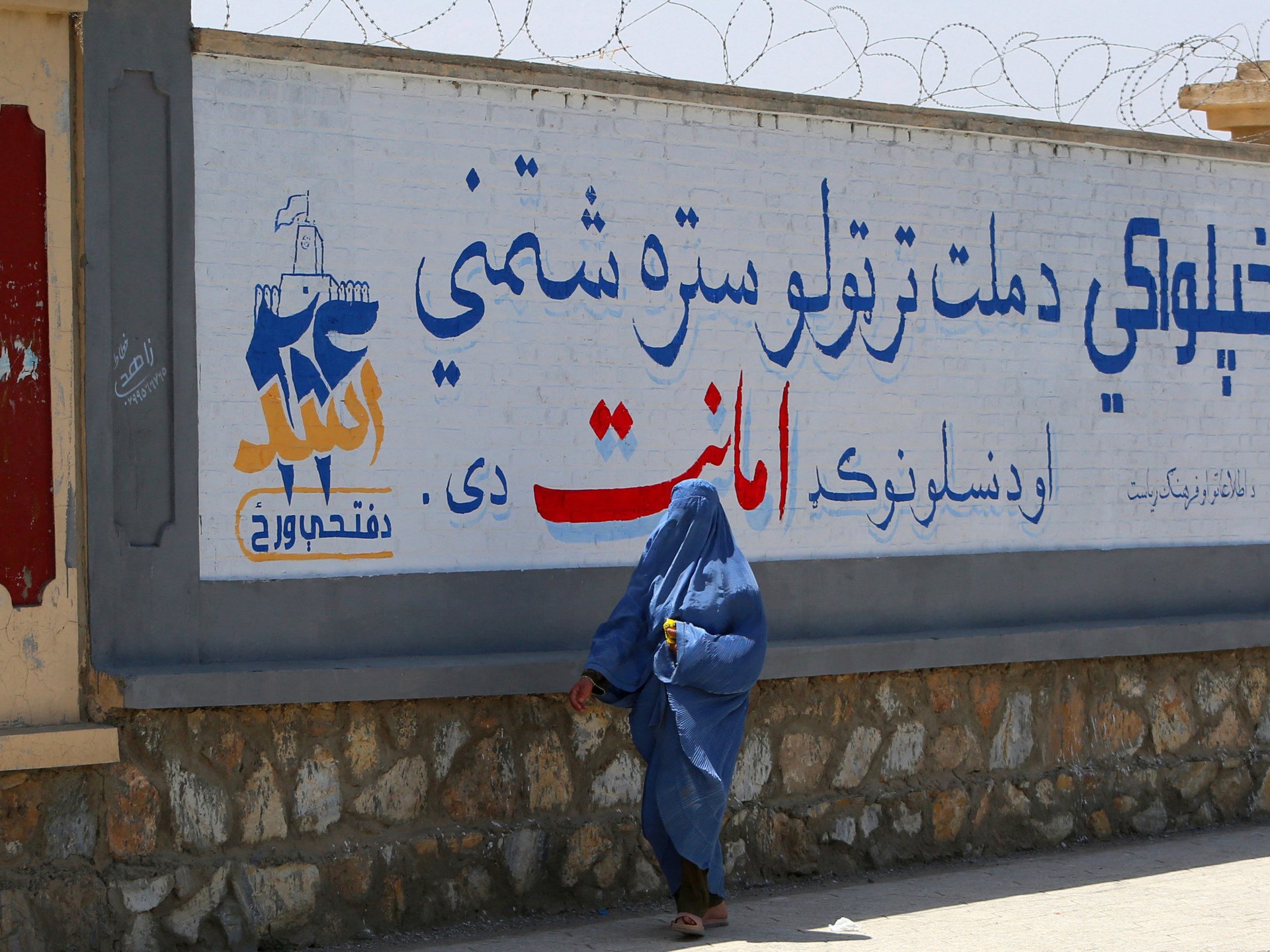
Kathmandu— Five years after the Taliban regained power in Afghanistan following the withdrawal of US forces in August 2021, the United Nations is sounding the alarm over dwindling financial support for vital programs assisting women and girls. Susan Ferguson, UN Women’s special representative in Afghanistan, urged donor countries on Friday to maintain funding, warning that cuts will exacerbate the already dire situation facing Afghan women. A recent survey indicates more than half of the 74 women’s organizations operating within the country are at risk of suspending operations or closing entirely due to insufficient funds.
Funding Crisis Threatens Women's Organizations
The UN’s $1.7 billion humanitarian appeal for Afghanistan is currently only 25 percent funded, severely impacting aid delivery across all sectors. The situation is particularly acute for women’s organizations, with nearly three-quarters reporting funding cuts in 2024 and approximately two-thirds stating they have six months or less of operational funding remaining. This lack of financial support threatens to dismantle critical services that provide essential assistance to Afghan women.
Restrictions on Women's Rights Intensify
Since returning to power, the Taliban has implemented over 100 decrees restricting women’s rights, impacting nearly every facet of their lives—including education, employment, freedom of movement, healthcare, and access to justice. Despite promises to find a solution that aligns with their ideology, girls remain barred from secondary schools and women are prohibited from attending universities. A UN Women survey revealed more than half of 3,200 Afghan women now leave their homes only once or twice per month, and seven in ten report experiencing poor or very poor mental health.
International Calls for Reversal of Policies
A joint statement issued Friday by 56 countries—including Britain, France, Germany, Japan, the United States, and the United Arab Emirates—renewed calls on the Taliban to reverse its restrictions on women and girls. The statement characterized the systematic repression of women and girls as a defining characteristic of the current regime. While deaths from terrorism have decreased since the Taliban took power, Afghanistan continues to face significant challenges.
Wider Afghan Society Faces Multiple Crises
Beyond the specific plight of women, wider Afghan society is grappling with numerous crises. Over half of primary school-aged children are out of school, and child malnutrition has reached critical levels in a third of the country’s provinces. The nation's infrastructure has suffered damage from recent earthquakes and floods, resulting in thousands of deaths. Furthermore, Afghanistan remains largely diplomatically isolated, with Russia as the only country to formally recognize Taliban rule.
The UN continues to advocate for increased humanitarian aid and a reversal of policies restricting women’s rights, hoping to alleviate the suffering and prevent further deterioration of the situation in Afghanistan.
(With inputs from Al Jazeera)
Originally published on abcnews.com.np.

प्रतिक्रिया दिनुहोस्