

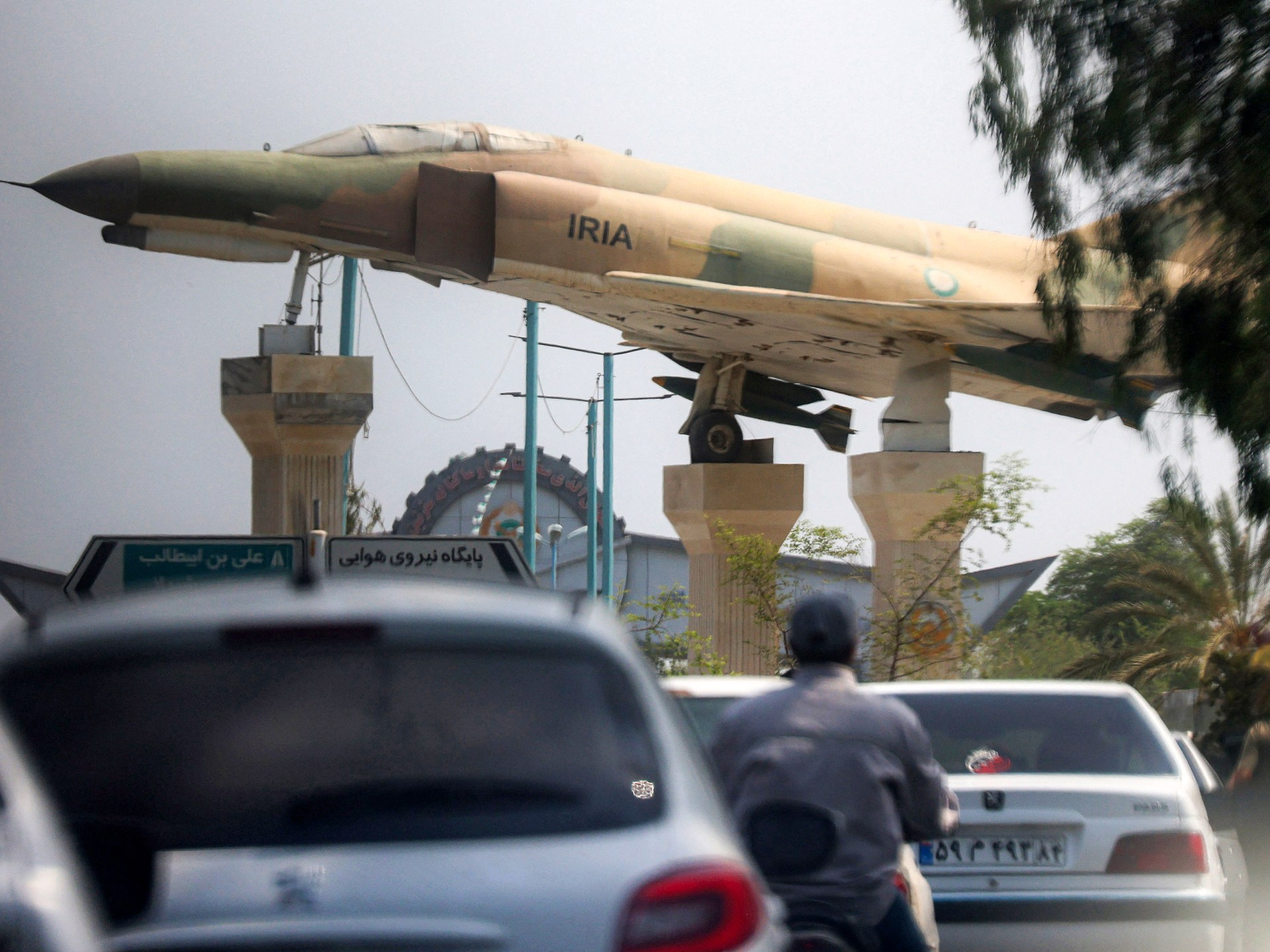
Kathmandu— Qatar has denied allegations from Iran that it is detaining three surviving pilots whose aircraft were shot down during hostilities in March, dismissing the claims as “misleading statements.” The denial comes after Iranian officials publicly demanded the release of the aviators, identifying them as Javad Salehi, Abdolmajid Dashtian and Omran Behraveshian. Qatar confirmed its air defense forces engaged the aircraft following an unauthorized breach of its airspace and recovered the remains of one pilot, Majid Kazemi, coordinating his repatriation with Iranian authorities.
Iranian Claims of Capture
General Mohammad Bagherzadeh of the Iranian armed forces alleged in a letter to the International Committee of the Red Cross that the three pilots were captured alive after their Su-24 warplanes crashed. He claimed they had been held incommunicado for six months without access to families or diplomatic representation, and urged international humanitarian intervention. Iran previously acknowledged one pilot’s death and others missing following a mission toward Qatar, but details of an alleged capture hadn't been publicized.
Qatar’s Account of the Incident
Doha confirmed that Qatari air defense forces made contact with the aircraft after it entered Qatari airspace without authorization in March. After receiving no response to warnings, Qatari forces engaged the targets. Following the incident, search and rescue teams recovered the remains of pilot Majid Kazemi, which were then repatriated to Iran in coordination with Iranian authorities.
Broader Regional Conflict
The military engagement occurred during an attack on Al Udeid Air Base in Qatar, a major U.S. military installation hosting CENTCOM personnel. In early March, Qatar reported shooting down two Iranian Sukhoi Su-24 bombers – the first time a Gulf country had downed Iranian aircraft during the conflict. This interception followed a wave of retaliatory strikes across the Gulf after hostilities began on February 28.
Stalled Peace Talks and Ongoing Tensions
Although an April ceasefire brokered by Pakistan temporarily halted major combat, peace framework talks collapsed in June, leading to sporadic clashes near the Strait of Hormuz and renewed attacks on regional shipping. Despite this dispute, Qatar continues to act as a key mediator, seeking a negotiated settlement between Iran and the United States. A 60-day negotiating window established in mid-June is set to expire Monday with limited direct talks.
Escalating Rhetoric
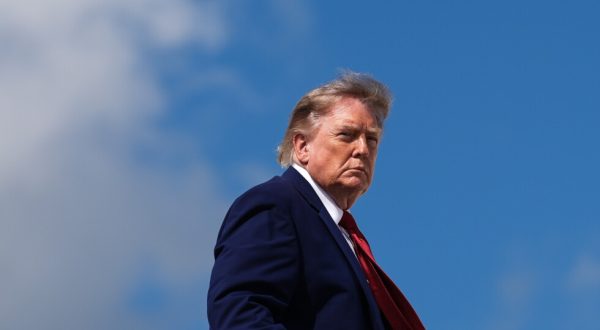
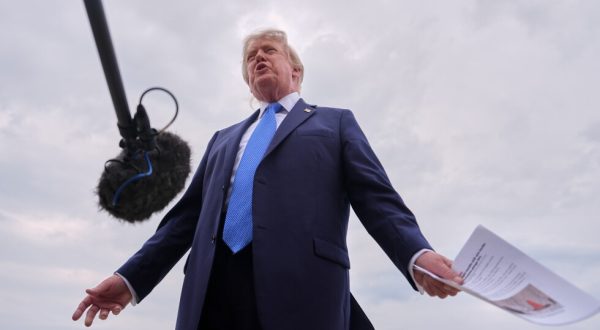
The diplomatic friction comes amid heightened rhetoric from both sides. U.S. President Donald Trump recently stated that Iran was being “very badly defeated” and suggested the United States might declare the Strait of Hormuz a territory of the US, prompting a swift rebuke from Iranian Deputy Foreign Minister Kazem Gharibabadi who asserted the waterway “cannot be seized with a tweet.” He warned Iran would continue to enforce its blockade until Washington accepts “the reality of defeat.”
Qatar remains engaged in mediation efforts despite the stalled peace talks and ongoing tensions, as the deadline for a key negotiating window approaches. The situation continues to pose risks to maritime traffic through the strategically vital Strait of Hormuz.
(With inputs from Al Jazeera)
Originally published on abcnews.com.np.


प्रतिक्रिया दिनुहोस्