

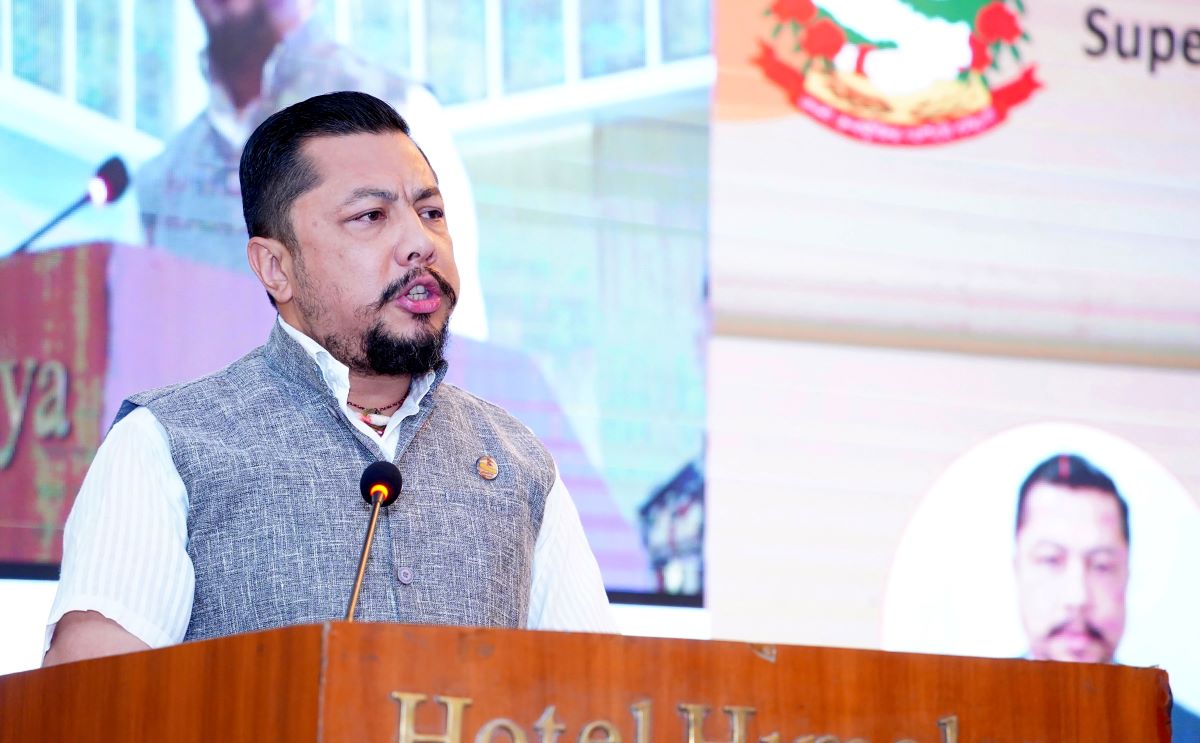
Kathmandu— Nepal’s Minister for Energy, Water Resources and Irrigation, Biraj Bhakta Shrestha, emphasized the critical need for proactive measures to mitigate the potential effects of the anticipated Super El Niño phenomenon on key sectors including water resources, food security, energy production, and disaster preparedness. Speaking at a national workshop in Lalitpur organized by the Secretariat of the Water and Energy Commission and the Department of Hydrology and Meteorology, Shrestha highlighted the urgency of addressing predicted changes to rainfall patterns, temperatures, hydropower generation, irrigation systems, and agricultural yields. The minister stressed that increased storage capacity is vital for energy security and climate-resilient agriculture.
El Niño’s Potential Impacts
Recent forecasts indicate a heightened probability of significant impacts from El Niño on Nepal's rainfall, temperature, hydropower production, irrigation, and food production, according to Minister Shrestha. He noted that the country must take these predictions seriously given its vulnerability to climate fluctuations. The workshop served as a platform for discussing potential consequences across multiple sectors and identifying effective risk reduction strategies.
Energy Sector Vulnerabilities
Currently, Nepal’s 4,120 MW electricity system relies heavily on Kulekhani-1, which is the nation's only seasonal reservoir project. Minister Shrestha stated that increasing storage capacity within the energy sector is essential to address potential disruptions caused by changing weather patterns. While Nepal has made strides in energy trade, dependence on imports during dry seasons remains a concern, reinforcing the need for developing additional reservoir projects and bolstering overall storage capabilities.
Agricultural and Irrigation Challenges
The minister acknowledged that most of Nepal’s irrigation projects depend on small to medium-sized rivers, leading to water scarcity during the dry season. Prolonged droughts have already negatively impacted agricultural production throughout the country, prompting a focus on building climate resilience within the agriculture sector. The ministry has reportedly prepared the Tarai-Madhesh Drought Resilience Strategy as part of these efforts.
Monitoring and Data Collection
To proactively monitor conditions, the Ministry has established a ‘Water-Energy Drought Monitoring’ mechanism in collaboration with several departments including Water and Meteorology, Water Resources and Irrigation, Drinking Water and Sewerage Management, Nepal Electricity Authority, and Electricity Development. This mechanism will publish monthly information from October to March, providing crucial data for informed decision-making.
The workshop concluded with a focus on collaborative efforts to address the challenges posed by El Niño and enhance Nepal’s overall climate resilience.
(With inputs from RN)
Originally published on abcnews.com.np.




प्रतिक्रिया दिनुहोस्