

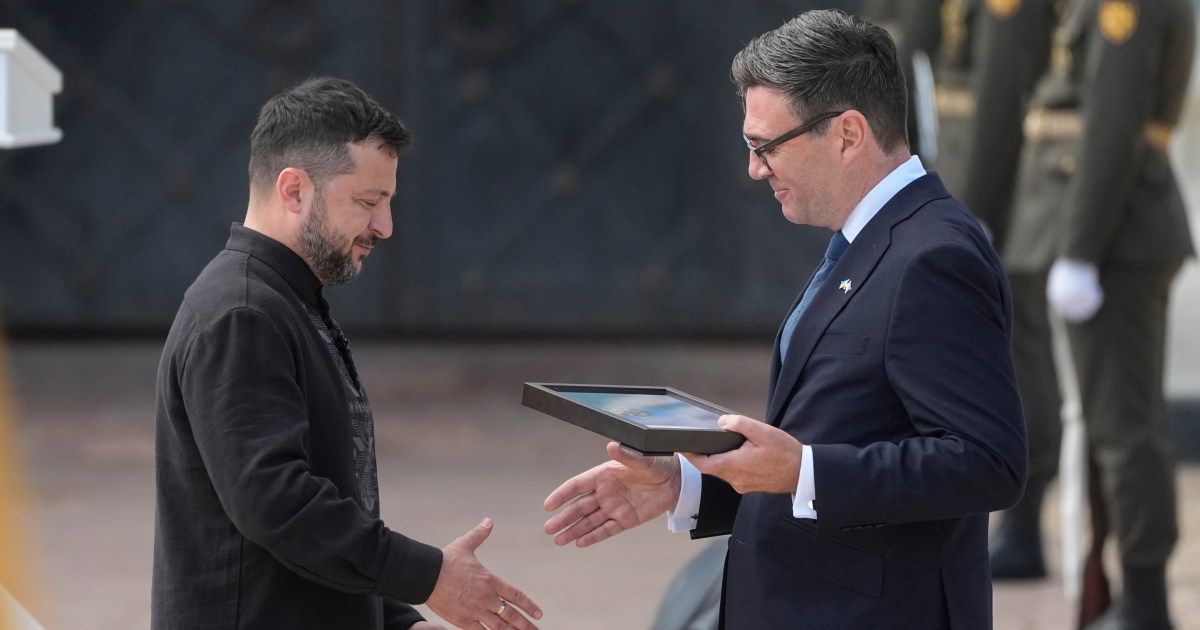
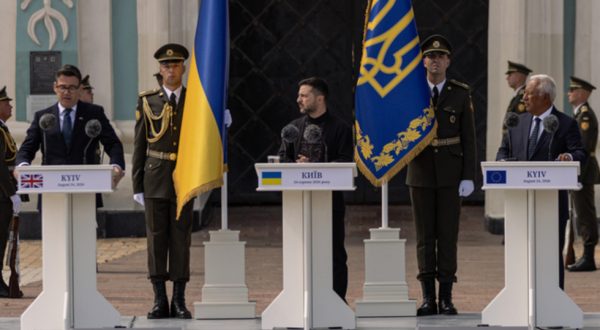
Kathmandu— British Prime Minister Andy Burnham announced Monday that the UK will provide Ukraine with the blueprints and knowledge necessary to manufacture its own version of the Storm Shadow long-range cruise missile during a visit to Kyiv coinciding with Ukraine’s 35th anniversary of independence. The move, occurring as backing from the United States has become less predictable, aims to bolster Ukraine's ability to strike strategic targets within Russia more efficiently and at a greater rate. This decision follows a similar step taken by France and comes amidst intensified aerial exchanges between Ukraine and Russia, with Moscow warning of escalated retaliatory strikes on Ukrainian infrastructure. The UK’s willingness to share classified information represents a potentially significant precedent in allied support for Ukraine.
Shifting Support Dynamics
Burnham's visit and the commitment to technology transfer signal a continued strong stance from the UK and other European allies, particularly as US aid has faced uncertainty. The decision contrasts with recent hesitancy from US President Donald Trump regarding allowing Ukraine to independently manufacture Patriot air defense interceptors, a system Kyiv urgently needs to counter Russian ballistic missile attacks. While the US previously supplied Patriots, Trump characterized sharing the underlying technology as “a hard thing to give away.”
Storm Shadow Capabilities
The Storm Shadow, also known as SCALP in France, boasts a range of approximately 560km (350 miles) and can reach targets 240km (150 miles) inside Russian territory. While Ukraine has developed its own long-range drones with greater overall range, the Storm Shadow offers the capability to strike heavily fortified “hard” targets that are typically well-defended. Its advanced navigation systems allow for operation in all weather conditions and at night. Last year, Ukrainian forces utilized these missiles to successfully target Russian facilities including a chemical plant and an oil refinery.
Ukraine’s Growing Defense Industry
Analysts believe Ukraine possesses the capacity to effectively produce these sophisticated weapon systems once provided with the necessary blueprints. Keir Giles, an associate fellow at Chatham House, highlighted Ukraine's “agile, highly motivated and distributed defence industry,” noting its adaptability surpasses that of some Western European counterparts. He emphasized that increasing production volume could be crucial for Ukraine, allowing it to selectively target key Russian assets and potentially disrupt attacks on Ukrainian territory. Ukraine has already demonstrated the ability to design and manufacture other long-range missile systems like the Neptune and Flamingo.
Challenges to Production Scale-Up
Despite the positive outlook, scaling up production will present significant challenges. Experts estimate it could take around two years from contract award to delivery of a new batch of cruise missiles, requiring a complex international supply chain. Some components incorporate sensitive US technologies, potentially necessitating American approval for their transfer and use. Furthermore, missile-production facilities within Ukraine would be vulnerable targets for Russian attacks, demanding robust security measures to protect manufacturing sites and maintain critical component supplies.
France and the UK are aiming to help establish a production line by the end of the year, though full operational capacity will require sustained international cooperation and addressing ongoing security concerns. The move sets a precedent for allied support but its impact on US policy regarding Patriot interceptors remains uncertain.
(With inputs from Al Jazeera)
Originally published on abcnews.com.np.


प्रतिक्रिया दिनुहोस्