

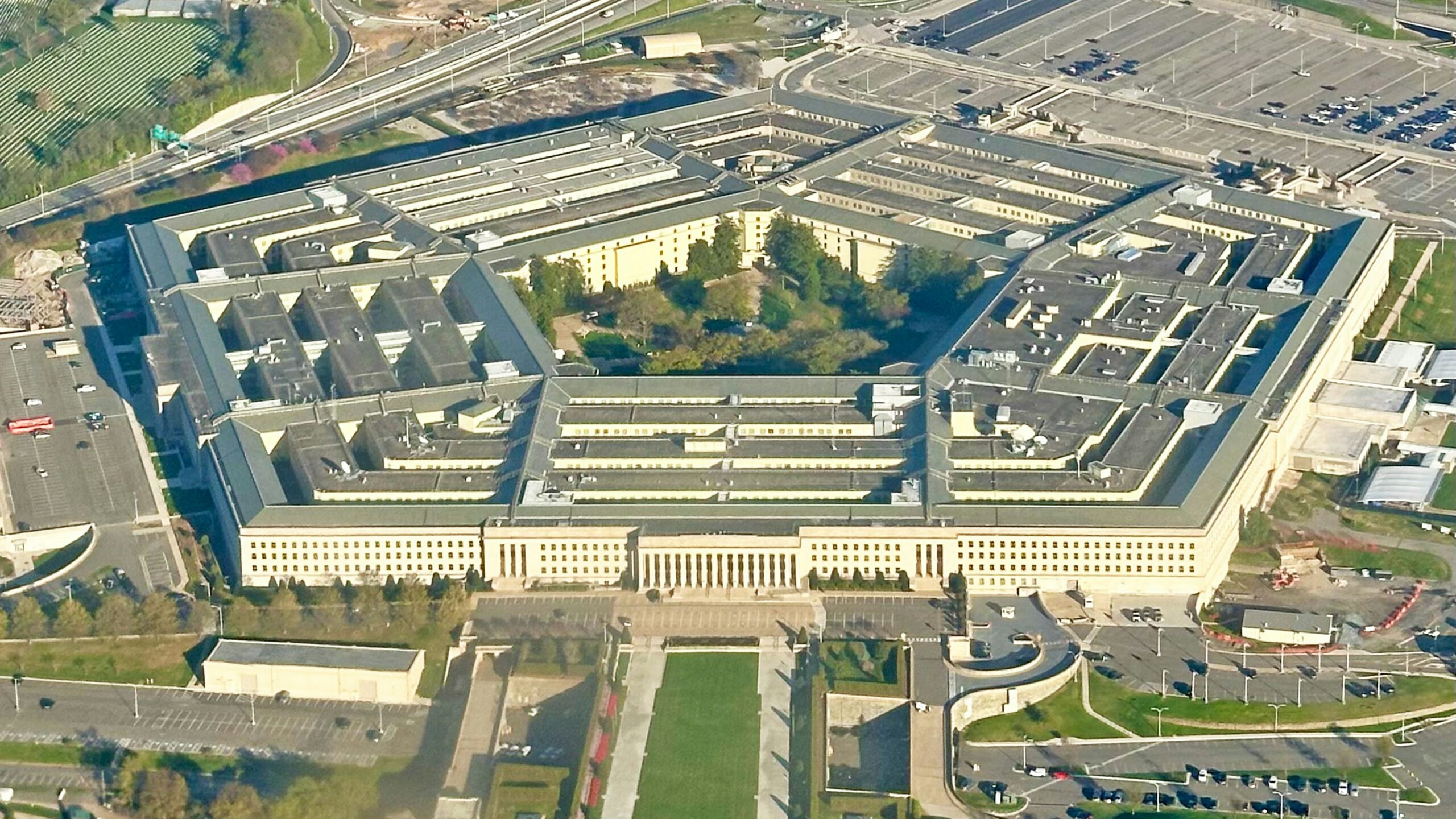
Kathmandu— The United States has long maintained a massive military presence globally, currently boasting a $1.5 trillion budget, but this commitment is facing increasing criticism as recent events expose the financial and strategic consequences of prolonged warfare. A failed engagement with Iran, marked by significant economic fallout and widespread public disapproval, has sparked debate about the necessity of such extensive spending, particularly in light of pressing domestic issues like rising fuel costs and potential food shortages. Critics argue that a culture deeply ingrained with militarism—fueled by historical narratives and media representation—has created an unsustainable cycle of conflict driven by profit and ideological motivations.
A History of Militaristic Culture
The author contends that the US has cultivated a unique cultural obsession with warfare, extending far beyond practical necessity. From childhood exposure to romanticized depictions of historical battles – like the 1955 Disney film ‘Davy Crockett at The Alamo’ – Americans are subtly indoctrinated into accepting and even glorifying military conflict. This early conditioning, combined with pervasive war propaganda in media and education, creates a population largely compliant with exorbitant defense spending. Raul Ramos notes that narratives surrounding events like The Alamo often obscure the historical context of racial injustice and colonial expansion, serving to reinforce a specific national mythos.
War as Political Performance
Despite occasional calls for cuts, bipartisan support for high military spending remains remarkably consistent. William A. Galston observed this trend in 2014, noting even modest reductions faced resistance, and Bernie Sanders’ recent proposal to cut the budget by 10% failed overwhelmingly in the Senate. This suggests that political posturing often prioritizes appearing strong on defense over genuine fiscal responsibility. The author argues that US politics has become a “slavish competition to grovel before the war industry,” indicating a systemic issue where politicians prioritize the interests of military contractors over the needs of their constituents.
Iran Conflict Exposes Weaknesses
The recent conflict with Iran represents a turning point, demonstrating not only a lack of military success but also significant financial repercussions. The author highlights that the US was defeated by a nation with a drastically smaller military budget – $9 billion compared to America’s $1.5 trillion – and this defeat carries unprecedented economic consequences. A Reuters report indicates a staggering 63% disapproval rating for the war, while rising diesel prices threaten to disrupt the commercial transport system and potentially lead to mass hunger. This confluence of factors has created an environment ripe for challenging the status quo.
Climate Change and the Future of War
The author draws a direct link between warfare and environmental sustainability, arguing that war is inherently destructive to the planet. The US military is identified as a significant contributor to carbon emissions – comparable to the entire nation of Portugal – and its pursuit of fossil fuels in conflict zones exacerbates both ecological damage and geopolitical instability. This connection underscores the incompatibility of continued militarism with addressing the climate crisis, suggesting that prioritizing war actively undermines efforts towards long-term survival.
A Moment for Change
Despite a deeply ingrained culture of militarism, the author sees an unprecedented opportunity for change. Trump’s handling of the Iran conflict has exposed the inner workings of the “wounded military organism,” revealing its flaws and vulnerabilities to the public. This transparency, combined with declining approval ratings and growing economic anxieties, creates a unique moment to challenge the prevailing assumptions about US defense spending and prioritize investments in sustainability and social welfare.
The author concludes that drastic cuts to the US military budget are not merely desirable but essential for both domestic stability and global survival, urging a fundamental shift away from prioritizing warfare towards addressing pressing issues like climate change and economic inequality.
(With inputs from CounterPunch)
Originally published on abcnews.com.np.




प्रतिक्रिया दिनुहोस्