

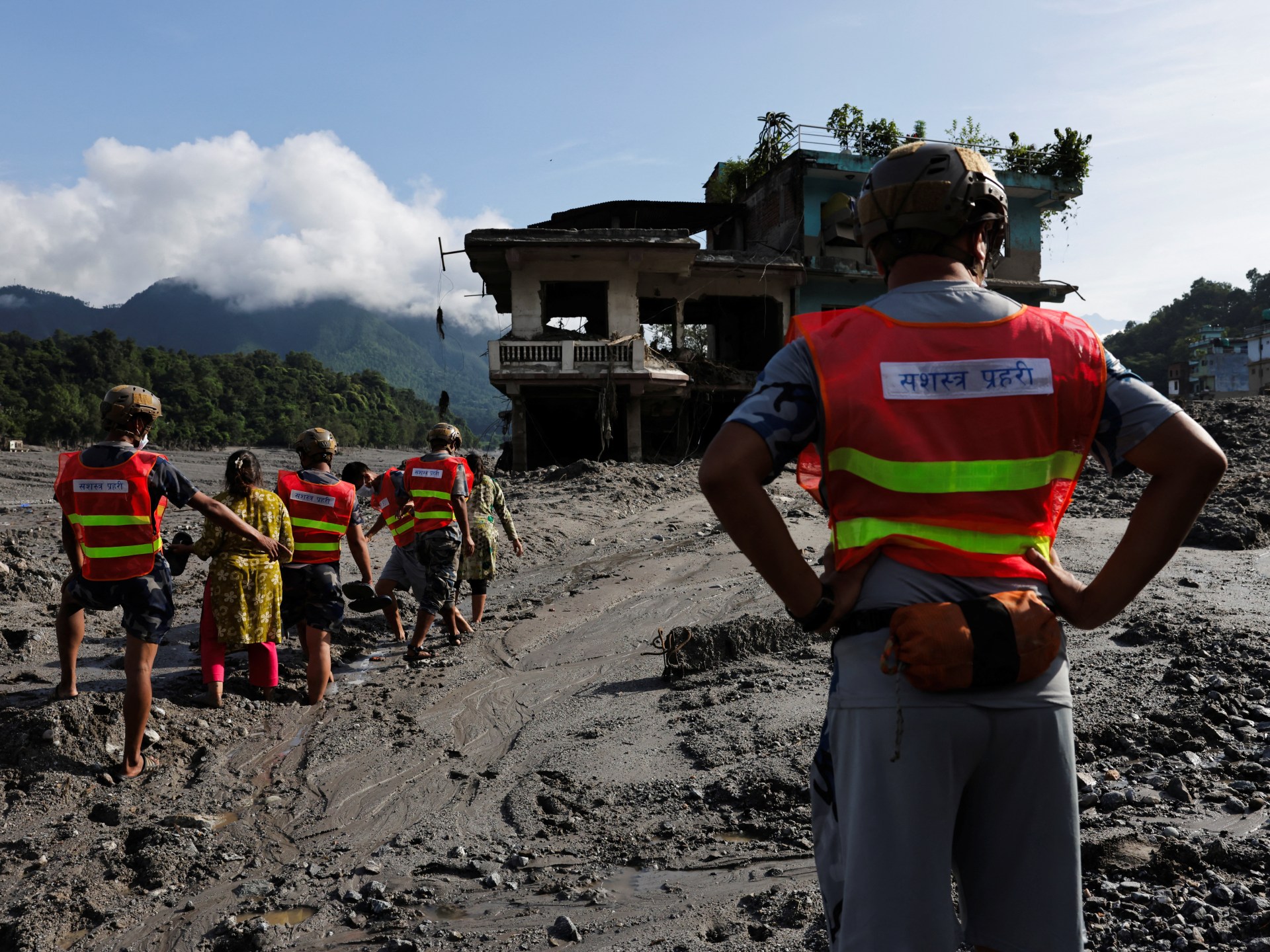
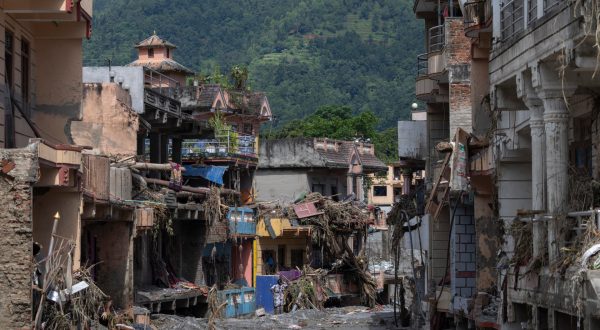
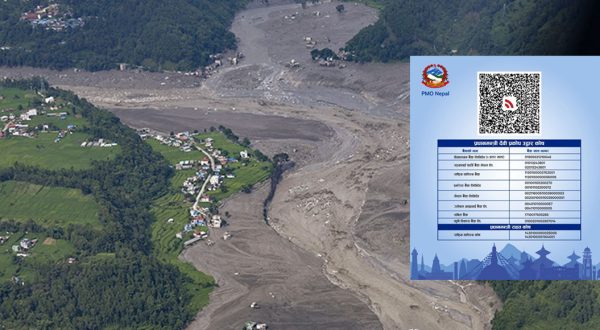
Kathmandu— A devastating flash flood triggered by a glacier collapse in the Himalayan region of Nepal and Tibet has claimed over 470 lives, with nearly 1,500 people still unaccounted for as of Friday. The disaster struck on Wednesday, sending a surge of ice, water, rock, and mud down river valleys, obliterating villages and critical infrastructure like roads, bridges, and hydropower plants. Rescue operations are ongoing but hampered by destroyed roadways and the growing threat of secondary flooding from an unstable barrier lake formed by the initial deluge.
Scale of the Disaster
The prime minister’s office in Nepal reported 469 confirmed deaths within the country, with 977 people still missing. Chinese authorities have confirmed at least three fatalities and 558 missing on their side of the border. A significant number of those missing in Nepal – 644 individuals – are believed to be foreign nationals. Approximately 1,550 people have been rescued from the disaster zone, with aid being delivered by helicopter to survivors.
Rescue Efforts Hampered
Bishal Nath Upreti, president of the Nepal Centre for Disaster Management, described the situation as “extremely difficult,” noting that approximately 42 kilometers (26 miles) of road have been completely destroyed. “Almost 42km [26 miles} of road is completely wiped out, and, except for the helicopters, the rescuers cannot go there”, he said. Around 800 people have been rescued by helicopter and another 700 via land routes. Survivors are facing desperate conditions after more than 72 hours without adequate shelter or food.
Barrier Lake Threatens Further Flooding
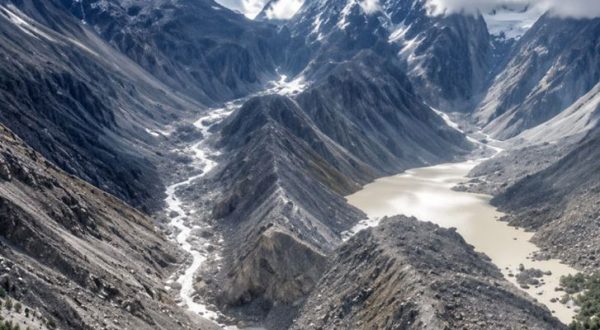
Complicating rescue efforts is the formation of a barrier lake along the Nepal-China border, created when floodwaters and landslides blocked a river, trapping a growing volume of water. Chinese authorities estimate the lake currently holds about two million cubic meters (70 million cubic feet) of water and anticipate another three million cubic meters (106 million cubic feet) will accumulate over the next three days. Rescue teams attempting to reach the border port of Gyirong, where buildings are buried under 1.5 meters of mud, have been temporarily suspended due to fears of further landslides.
Nepal Responds to Offers of Aid
Despite numerous offers of international assistance, Nepal’s foreign ministry stated on Friday that it does not currently require help with the search and rescue operation. Spokesperson Lok Bahadur Chhetri explained that Nepali security agencies are handling the initial response. However, the country has indicated a willingness to accept other forms of aid, such as financial contributions, to support the long-term recovery efforts. Reporting from Kathmandu, Al Jazeera’s Minelle Fernandez noted widespread anxiety among those waiting for news of missing loved ones near Tribhuvan University Teaching Hospital: “Everyone is fighting for answers, waiting for some glimmer of hope, and right now that’s hard to come by.”
China Mobilizes Resources
China has deployed approximately 500 military and paramilitary personnel to assist with the response. Premier Li Qiang has also traveled to the region to oversee operations, a move Al Jazeera’s Katrina Yu described as “very, very rare” and indicative of the high priority being given to the situation.
Rescue teams continue to search for survivors while closely monitoring the barrier lake, with the potential for its breach adding an urgent dimension to the ongoing disaster response.
(With inputs from Al Jazeera)
Originally published on abcnews.com.np.


प्रतिक्रिया दिनुहोस्