

Kathmandu— The United States and China are engaged in a new cold war, with each country leveraging its unique superpowers. China controls the majority of the world's critical minerals, including rare earth elements, while the U.S. leads in semiconductor technology essential for artificial intelligence applications. This rivalry has manifested through trade negotiations, military standoffs, and high-level political meetings since 2017, impacting global stability.
A Pause in Hostilities
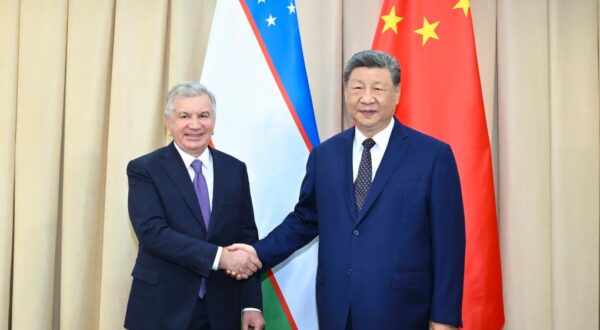
During a meeting between President Donald Trump and Chinese leader Xi Jinping in Beijing in mid-May, the two leaders agreed to pursue 'constructive strategic stability.' This included delaying arms deliveries to Taiwan by the U.S. and allowing the sale of Nvidia computer chips to China. In return, China committed to increasing its purchases from the United States, including Boeing aircraft and agricultural goods.
Grabbing the Rocks
China controls up to 90% of rare earth element (REE) processing and has expanded its influence through the Belt and Road Initiative. The U.S., recognizing the importance of REE for military hardware and high-tech manufacturing, is ramping up domestic production at mines like Mountain Pass in California and Round Top in Texas. However, these efforts are unlikely to neutralize China's dominance by 2028.
Controlling the Chips
The U.S. has maintained export controls on advanced semiconductors to prevent China from acquiring cutting-edge technology. Despite Silicon Valley’s innovation, most chip manufacturing occurs in Taiwan. The Biden administration's CHIPS Act aims to re-shore semiconductor production in Arizona. However, China is investing heavily in its own chip sector and plans to close the gap by 2030.
(With inputs from CounterPunch)
Originally published on abcnews.com.np.




प्रतिक्रिया दिनुहोस्