

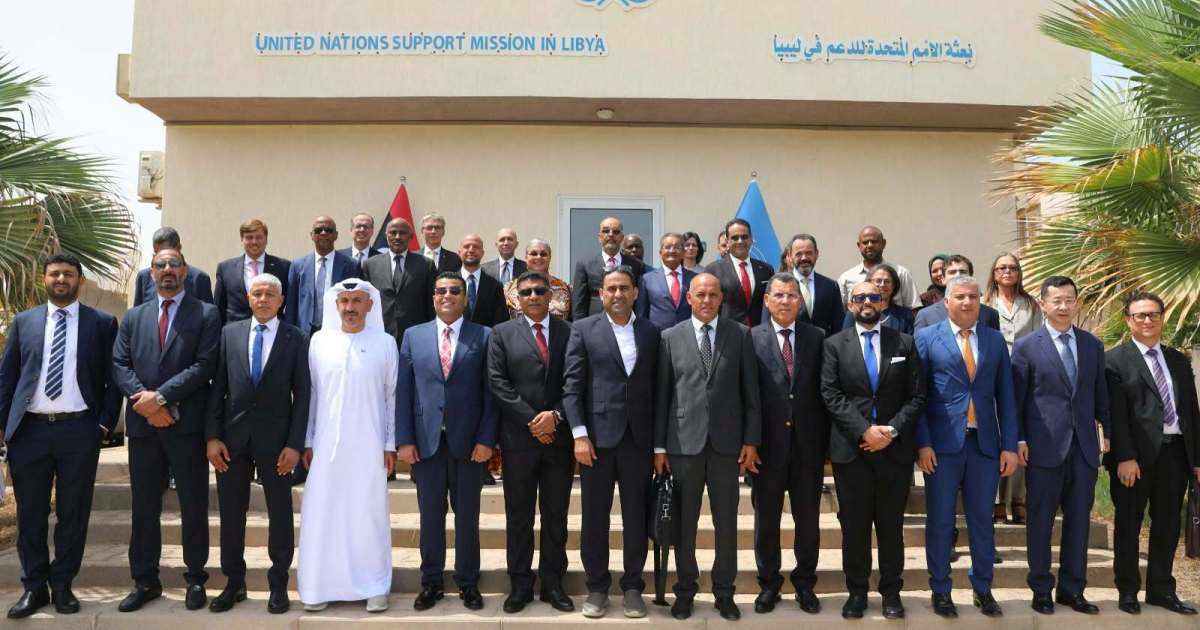
Kathmandu— After 15 years of civil war, a landmark UN-backed agreement known as “4+4” was recently signed by representatives from Libya’s rival factions in Tripoli. The agreement aims to resolve long-standing legal and institutional disputes that have plagued the country since the fall of Muammar Gaddafi in 2011 and paves the way for presidential and legislative elections within 24 months.
Decades of Division
Libya has been mired in instability since a 2011 uprising toppled longtime ruler Muammar Gaddafi. Initially, the country showed promise with its first peaceful transfer of power following national elections in August 2012. However, this democratic momentum quickly disintegrated into armed conflict when renegade military commander Khalifa Haftar took control of Benghazi in May 2014 and launched an unsuccessful offensive to capture Tripoli in April 2019.
Rivals and Rulers
Libya is currently divided between two distinct authorities. The internationally recognized Government of National Accord (GNA) operates from Tripoli, while the House of Representatives, led by Speaker Aguila Saleh, supports a parallel eastern administration in Tobruk under Khalifa Haftar’s military protection. In recent years, Saddam Haftar has emerged as a key figure within the eastern establishment.
Global Diplomatic Push
The new agreement is bolstered by international efforts to broker unification. The United States has intensified its role in Libya under President Donald Trump’s administration, with White House adviser Massad Boulos leading initiatives that include offering US energy investments in exchange for a unified executive. Saddam Haftar has also engaged in high-level diplomacy across regional and Western capitals.
Challenges Ahead
Despite the promise of new elections within two years, skepticism remains about whether Libya’s current leaders will willingly step down if they lose at the ballot box. High Council of State leader Mohammed Takala boycotted the signing ceremony, and Presidential Council head Mohammad al-Manfi criticized procedural transparency and foreign involvement in the agreement.
(With inputs from Al Jazeera)
Originally published on abcnews.com.np.


प्रतिक्रिया दिनुहोस्