

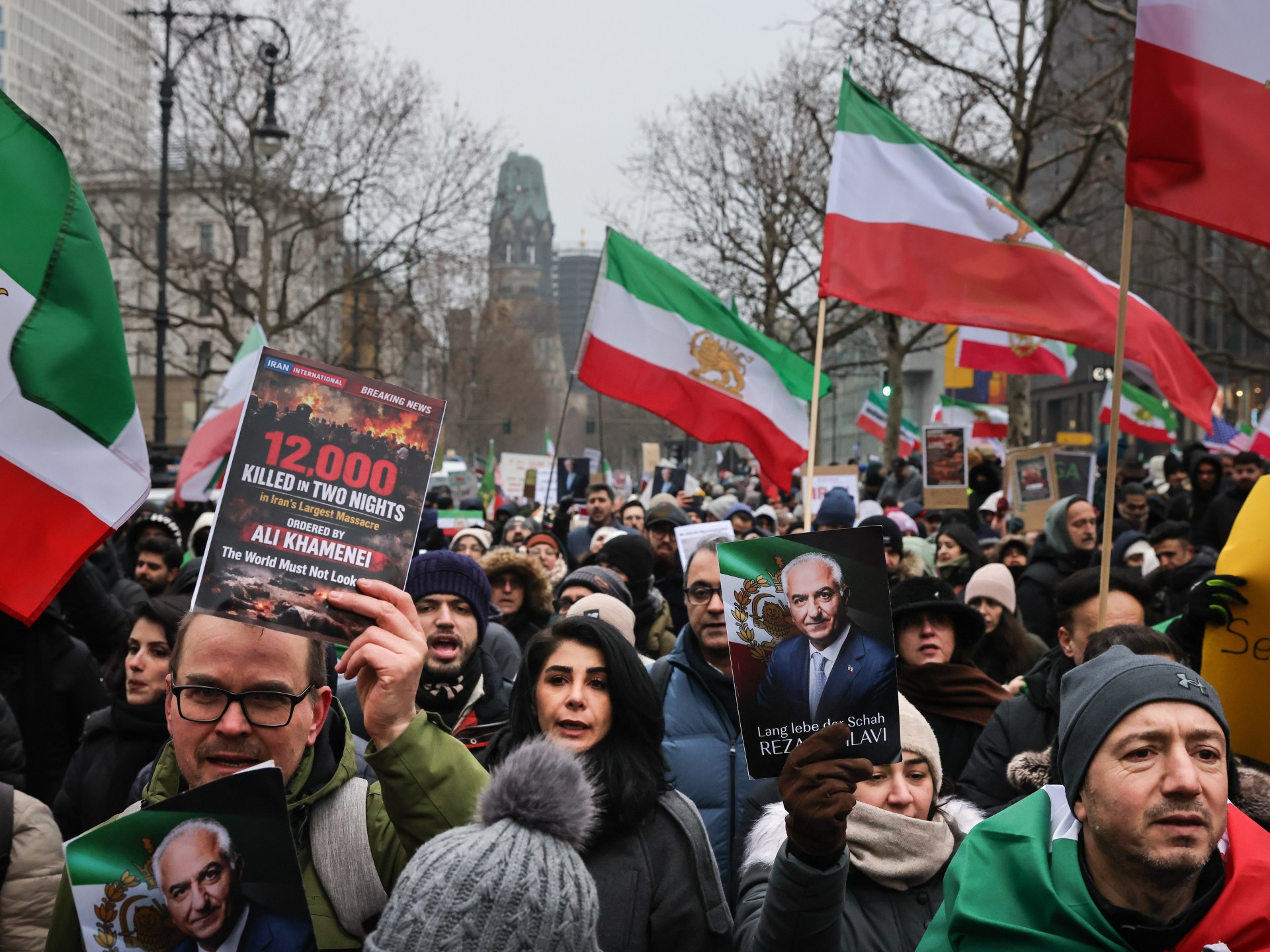
Kathmandu— Many Iranians living abroad are divided over their stance towards the ongoing war between Iran and the United States-Israel coalition. Peyvand Khorsandi, who left Iran for the UK in 1976 due to threats against his father, a satirist and poet, opposes both the Iranian government and the US-Israeli attacks on Iran. The conflict began six months ago with joint strikes by the US and Israel, causing significant economic disruption and civilian casualties.
Divided Loyalties
Khorsandi represents a segment of the diaspora that opposes both the Iranian government and the war. He believes the conflict has strengthened the regime while harming pro-democracy efforts within Iran. "It’s disappointing and depressing," he told Al Jazeera, highlighting the paradox many Iranians face in supporting neither side.
Humanitarian Impact
The humanitarian case for the attacks on Iran began to unravel shortly after the conflict started when a school in Minab was bombed, killing at least 170 people, mostly children. This incident has further divided opinions within the Iranian diaspora and raised questions about the justification of the war.
Historical Context
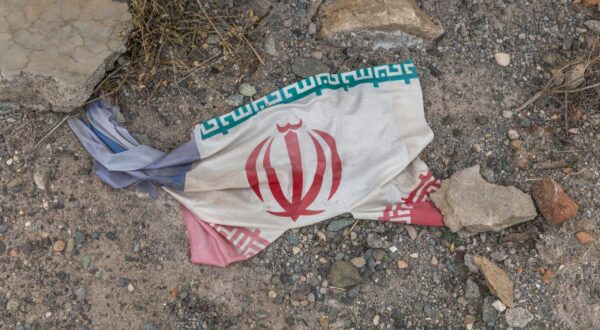
The latest US intervention in Iran echoes historical events such as the 1953 coup that overthrew democratically elected Prime Minister Mohammad Mossadegh. This history has left many Iranians wary of Western involvement and skeptical about its intentions.
Economic and Political Implications
The war has had severe economic impacts on Iran, with common citizens bearing the brunt of sanctions and military actions. Meanwhile, Gulf leaders are eager for a deal to reopen the Strait of Hormuz, which controls 20 percent of global oil exports.
(With inputs from Al Jazeera)
More from the source


Originally published on abcnews.com.np.


प्रतिक्रिया दिनुहोस्