

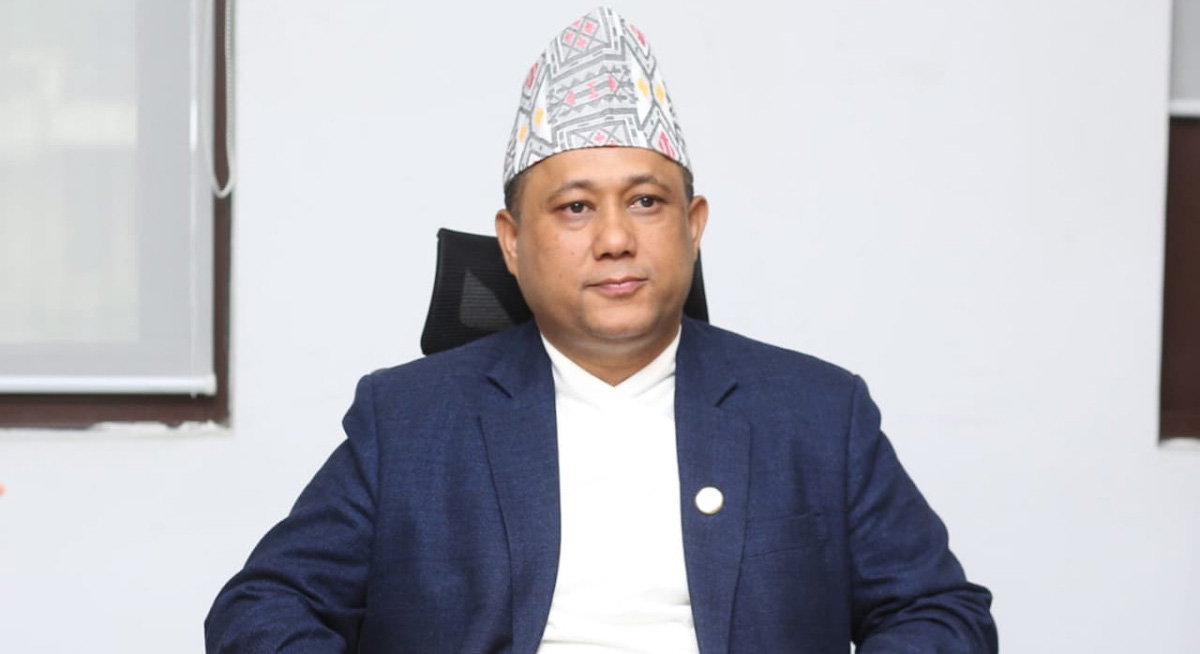
Kathmandu— Nepal’s Foreign Minister Shisir Khanal addressed the diplomatic community on Thursday, emphasizing that the catastrophic Bhotekoshi flood should be viewed as both an immediate humanitarian crisis and a stark reminder of increasing climate risks in the Himalayas. The disaster, which occurred on August 26 along the Nepal-China border, has affected multiple districts and highlighted the vulnerabilities faced by mountainous regions due to rising temperatures.
Climate Risks and International Awareness
Khanal stated that while Nepal contributes minimally to global emissions, it faces significant impacts from a warming Himalayan region. He reiterated Nepal’s efforts in raising international awareness through initiatives like the Sagarmatha Dialogue and its climate commitments. The Minister called for translating climate justice, early-warning systems, disaster preparedness, and resilient reconstruction into concrete actions.
Search and Rescue Operations
The government has deployed over 21,000 security personnel from the Nepali Army, Nepal Police, and Armed Police Force for search, rescue, and relief operations. Federal, provincial, and local authorities, along with health workers, emergency responders, volunteers, and local communities, have been involved in these efforts. The death toll and number of missing individuals continue to rise as rescues from hydropower tunnels prove challenging.
Damage Assessment and International Support
An initial assessment of damage to homes, roads, bridges, hydropower projects, and other infrastructure has begun. A Post-Disaster Needs Assessment (PDNA) will determine the extent of damage and resources required for rehabilitation and reconstruction. Khanal thanked numerous countries and international organizations for their assistance, which included rescue expertise, equipment, logistics, medical and forensic support, and financial aid.
Tourism Impact
Despite the significant damage caused by the Bhotekoshi flood, its impact was geographically limited. Khanal assured that major tourist destinations such as Kathmandu, Pokhara, Chitwan, Lumbini, Janakpur, Annapurna region, Everest region, and Bardiya remain open to visitors. He urged diplomatic missions to inform their citizens and governments that Nepal remains safe and welcoming.
(With inputs from RN)
Originally published on abcnews.com.np.




प्रतिक्रिया दिनुहोस्