

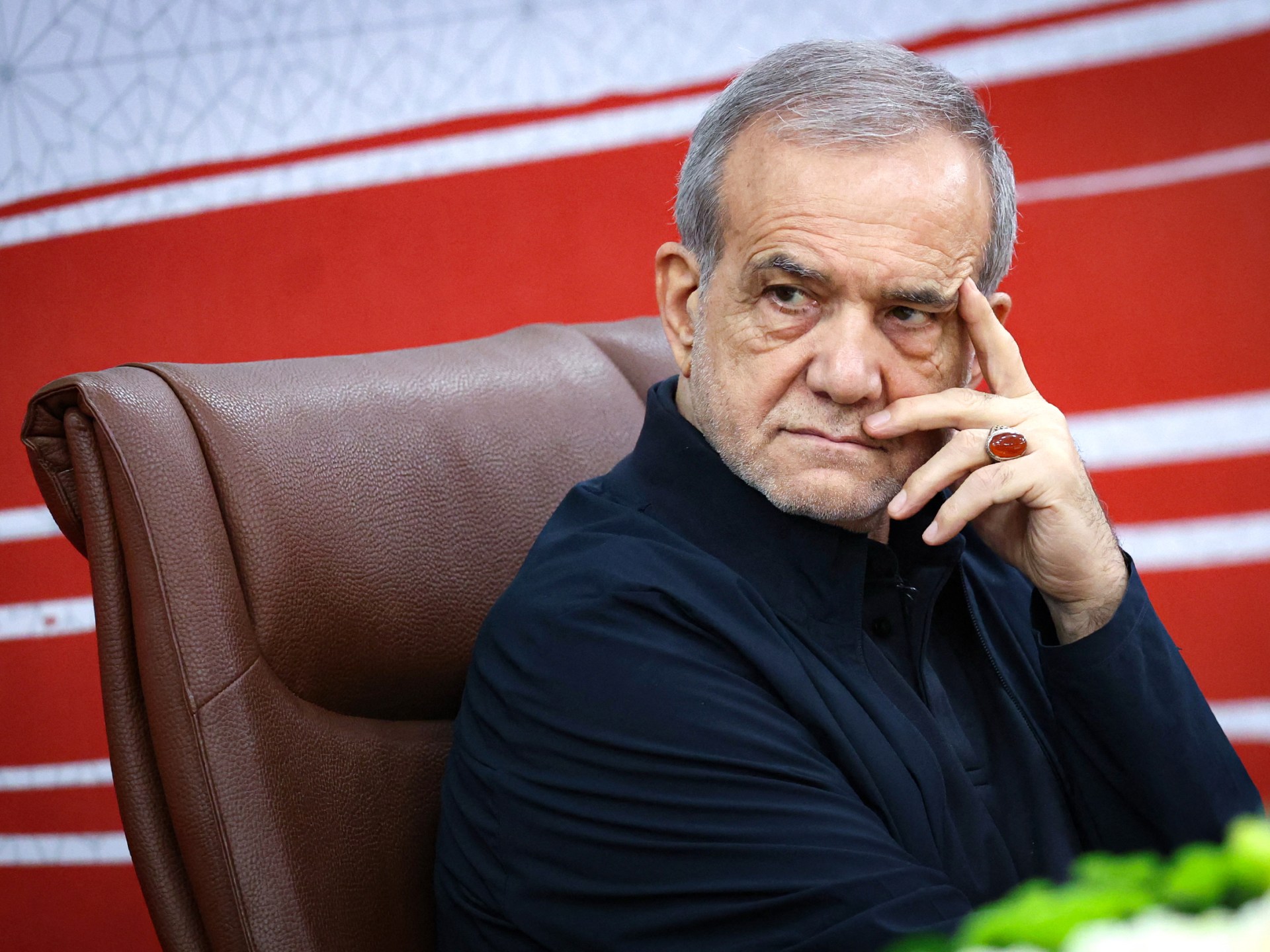
Kathmandu— Iranian President Masoud Pezeshkian has called for an end to what he terms a state of “neither war nor peace” with the United States, stating Iran is in a position of strength and believes now is the right time to reach an agreement. The remarks came as Iran and Oman pursue an arrangement regarding transit through the Strait of Hormuz—a critical waterway impacted by recent conflict that has resulted in over 3,400 deaths—while also outlining conditions for reopening the strait and broader negotiations with Washington. Discussions center on establishing a temporary shipping route, but are complicated by Iranian demands for compensation and guarantees against future aggression. Pezeshkian’s push for diplomacy appears to be an effort to unify domestic factions and signal Iran's willingness to negotiate despite perceived violations of previous agreements.
Negotiation Strategy and Domestic Politics
According to analyst Negar Mortazavi, Pezeshkian is attempting to convey a dual message—one directed at internal political groups within Iran, and another aimed at the United States. By publicly supporting diplomacy and declaring this an opportune moment for agreement, Pezeshkian aims to bolster those advocating for talks within Iran who have faced opposition from hardline factions. “Hardline factions have publicly opposed negotiations and attacked those involved in the diplomatic process,” Mortazavi noted, suggesting that the president’s statement strengthens the position of pro-negotiation voices.
Conditions for Resolution
Iran's Supreme National Security Council has outlined six conditions that must be met before it will consider fully reopening the Strait of Hormuz. These include an end to US threats and perceived insults towards Iran, a permanent halt to attacks on its allies in Lebanon, Palestine, Yemen, and Iraq, the lifting of the US naval blockade and withdrawal of forces from the region, compensation for past “imposed wars,” the removal of global sanctions, and the unconditional release of frozen Iranian assets. These demands significantly broaden the scope of negotiations beyond simply reopening the waterway, linking it to a wider range of political, military, and economic concerns.
Strait of Hormuz Impasse
The Strait of Hormuz remains a central point of contention. While an Iran-Oman arrangement could potentially resume shipping traffic, the United States opposes granting Iran unilateral control over the vital waterway and has raised objections to proposed fees. Iran views its control over shipping as crucial leverage in negotiations. Transit through the strait has decreased significantly since Iran began targeting vessels it accuses of deviating from its preferred route within Iranian waters. On Saturday, a ship was reportedly hit by a projectile near Oman, causing a fire that was extinguished without casualties, though responsibility for the attack remains unclear.
Economic Demands and Compensation
Sanctions and the ongoing US blockade represent another significant obstacle to an agreement. Tehran insists that reopening Hormuz without securing substantial economic relief would mean relinquishing a key bargaining chip with insufficient return. Iranian Foreign Minister Abbas Araghchi stated on Saturday that compensation from the US for war damage must be addressed before the strait is reopened, in addition to other conditions. He also clarified that discussions with the U.S. are limited to “exchanging messages” through intermediaries.
Recent Progress and Ongoing Talks
Iran and Oman have reportedly made considerable progress towards an agreement where Iran would oversee vessels entering the Gulf while Oman manages outbound traffic. Araghchi indicated they were “almost very close to the result,” with coordinates for new shipping routes having been agreed upon on Thursday. However, the Islamic Revolutionary Guard Corps (IRGC) emphasized that reopening Hormuz is contingent upon Washington accepting Iran’s conditions.
Negotiations between Iran and Oman are ongoing, with both sides expressing cautious optimism about reaching a final agreement regarding transit through the Strait of Hormuz, though significant hurdles remain in addressing broader demands for compensation and guarantees.
(With inputs from Al Jazeera)
Originally published on abcnews.com.np.


प्रतिक्रिया दिनुहोस्