

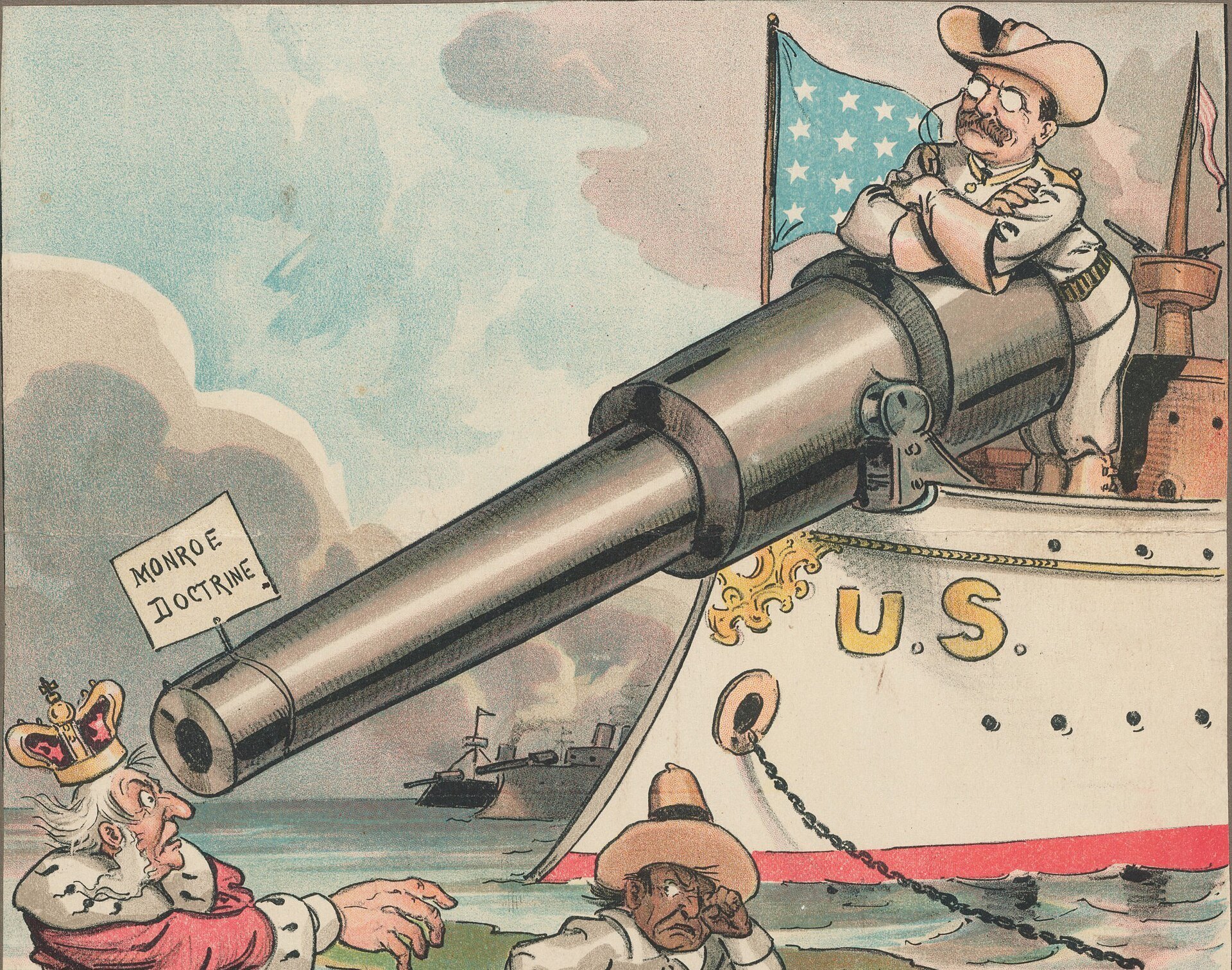
Kathmandu— Last week, Turkey, Pakistan, and Saudi Arabia signed a groundbreaking mutual security pact, pledging to defend each other against attack – a move signaling a growing desire among key US allies to lessen their dependence on Washington for security. The agreement builds upon an existing bilateral accord between Islamabad and Riyadh and is expected to expand to include Egypt, Qatar, and Kuwait, forming a strategic convergence of Sunni-majority nations. While not explicitly targeting any specific adversary, the pact – dubbed the “Mecca Defense Pact” – reflects increasing concerns about US commitment under the Trump administration and suggests a broader realignment of geopolitical priorities in the Middle East and beyond.
Echoes of a Changing World Order
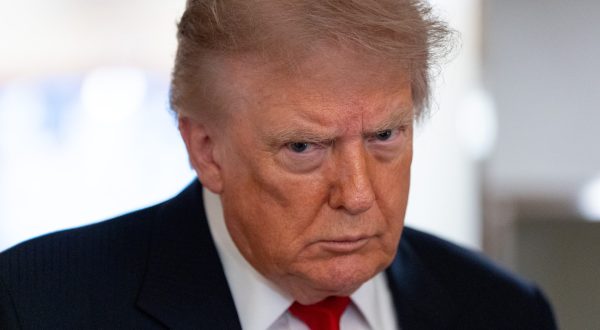
The signing of this security pact evokes memories of Donald Trump’s first presidential trip in 2017, where he joined Saudi Arabia's King and Egypt's President Sisi in inaugurating a center for countering extremism. That event was widely interpreted as a symbolic rejection of the traditional liberal international order, with Trump favoring alliances with authoritarian leaders over established Western democracies. A decade later, this pattern continues, with Trump cultivating relationships with figures like Vladimir Putin and Mohammed bin Salman while simultaneously threatening to withdraw security commitments from allies who do not meet his demands.
A Pact Born of Uncertainty
The Mecca Defense Pact isn’t simply a Sunni alliance; it represents a calculated response to perceived US unreliability. The three founding nations, each facing unique internal and external pressures – Turkey under its leader, Pakistan dominated by its military, and Saudi Arabia as a religious monarchy – are proactively seeking alternatives to ensure their security. This move comes after years of Trump threatening to withhold support from allies who don’t increase military spending or align with his policies. The pact's Article 5-like provision, committing members to collective defense, is a direct challenge to existing geopolitical realities and raises questions about the future of NATO and other US-led alliances.
Trump’s Multilateral Approach
Despite criticizing international institutions, Trump has simultaneously pursued his own brand of multilateralism. He's established initiatives like the “Board of Peace” – requiring a $1 billion membership fee – and Pax Silica to secure mineral access. Additionally, he continues to promote the Abrahamic Accords to strengthen Israel’s regional integration and the Quad alliance to counter China’s influence in the Indo-Pacific. However, this approach is characterized by strict conditions and a clear preference for arrangements that prioritize US interests above all else. He has also withdrawn from several UN institutions and threatened economic retaliation against countries pursuing alternative financial systems like BRICS.
Contingency Planning on a Global Scale
The Trump administration appears to view the Mecca Defense Pact as a positive development, aligning with its push for burden-sharing among allies. However, analysts suggest this is a misreading of the situation. US allies are not openly defying Washington but are quietly preparing for a future where American security guarantees may no longer be reliable. The actions of these nations resemble attempts to manage a volatile and unpredictable leader, offering reassurance while discreetly establishing alternative safeguards.
The Mecca Defense Pact signifies a broader shift in the global landscape, indicating the decline of Pax Americana and the emergence of new power dynamics. As countries increasingly prioritize self-reliance and forge independent alliances, the future of international security remains uncertain.
(With inputs from CounterPunch)
Originally published on abcnews.com.np.
प्रतिक्रिया दिनुहोस्